
Guinée: Interdiction Plastiques Usage Unique Entre en Vigueur Sept. 20
Summary
- Guinea will enforce a nationwide ban on single-use plastic packaging and objects starting September 20.
- A mission from the Ministry of Environment and Sustainable Development recently briefed ministerial departments in Conakry on the decree's provisions and affected products.
- The Ministry's outreach aimed to encourage public administrations to adopt alternatives and lead by example in complying with the new regulation.
- The decree mandates a significant shift in consumption and production patterns, impacting various sectors across the country.
Upcoming Ban on Single-Use Plastics in Guinea
For legal and compliance professionals in Guinea, the decree presents a critical advisory challenge.
Guinea is on the cusp of implementing a nationwide prohibition on single-use plastic items, with the new regulation set to take effect on September 20. This significant environmental measure targets both plastic packaging and other disposable plastic objects. The impending deadline has prompted proactive engagement from governmental bodies, signaling a concerted effort to ensure adherence across various sectors.
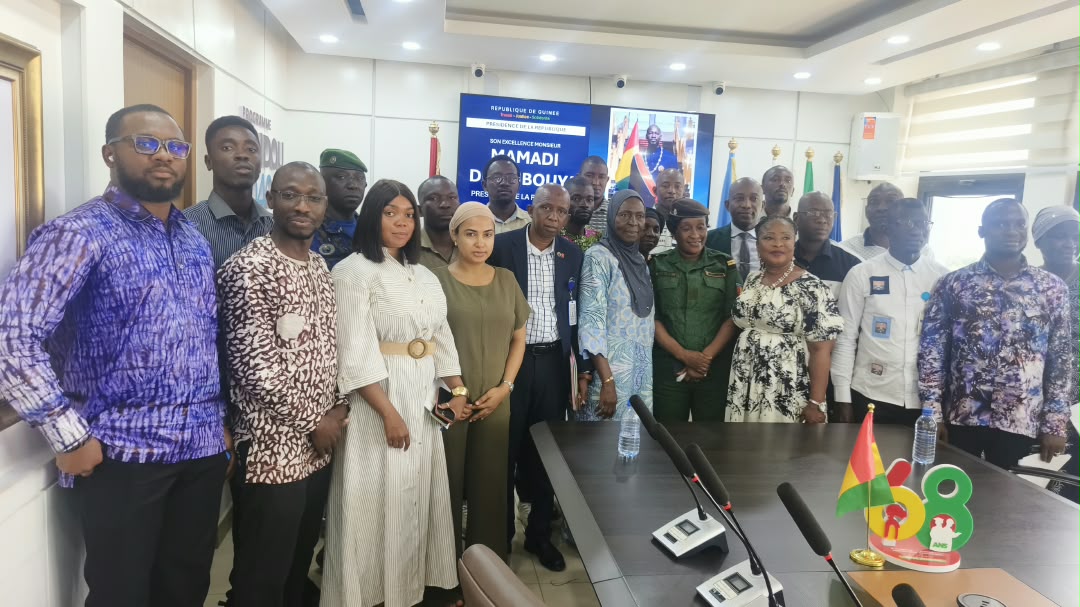
In anticipation of the ban's activation, a delegation from the Ministry of Environment and Sustainable Development recently undertook a series of visits to several ministerial departments situated in Conakry. The primary objective of these outreach efforts was to thoroughly brief public administrators on the specifics of the decree. This included a detailed review of its provisions and a clear identification of the products that will fall under the new `interdiction emballages plastique Guinée`.
The Ministry's initiative underscores the government's commitment to leading by example. By engaging directly with public administrations, the `Ministère Environnement Guinée plastiques` aims to foster a culture of compliance and encourage these entities to swiftly adopt alternative materials and practices. This preparatory phase is crucial for a smooth transition as the `entrée en vigueur interdiction plastique Guinée` approaches, ensuring that state institutions are well-prepared to operate within the new environmental framework.
Legal Framework and Scope of the Decree
The forthcoming `Guinée interdiction plastiques usage unique` is underpinned by a specific decree, which outlines the legal parameters for the ban. This legislative instrument broadly covers all forms of single-use plastic packaging and various other plastic objects designed for a single application before disposal. The Ministry of Environment and Sustainable Development has been instrumental in clarifying the scope and implications of this `décret plastiques jetables Guinée` to ensure widespread understanding.
During its recent visits to government departments, the Ministry's mission focused on demystifying the decree's stipulations. This involved presenting comprehensive lists of affected products, thereby leaving no ambiguity regarding what will be prohibited. The emphasis was on ensuring that all public sector entities grasp the full extent of the `réglementation déchets plastiques Guinée` and are equipped to make necessary operational adjustments.
The decree represents a pivotal step in Guinea's broader environmental strategy, aiming to curb plastic pollution and promote more sustainable consumption patterns. Its comprehensive nature means that a wide array of products, from food wrappers to disposable cutlery, will no longer be permissible, necessitating a fundamental shift in both public and private sector practices.
Implications for Compliance and Environmental Stewardship
The implementation of the `Guinée interdiction plastiques usage unique` carries significant implications for businesses, public institutions, and the general populace. With the ban becoming effective on September 20, there is an immediate imperative for all stakeholders to ensure `conformité environnementale Guinée`. This requires a thorough review of existing supply chains, product offerings, and operational procedures to identify and eliminate any reliance on prohibited single-use plastics.
For legal and compliance professionals in Guinea, the decree presents a critical advisory challenge. They must guide clients through the nuances of the new regulation, helping them understand the immediate operational and financial risks associated with non-compliance. This includes advising on suitable alternatives, navigating potential supply chain disruptions, and ensuring that all business activities align with the stringent new `réglementation déchets plastiques Guinée`.
The call for ministries to set an example underscores the government's expectation that all sectors will actively participate in this environmental initiative. The success of the `interdiction emballages plastique Guinée` hinges on collective action and a proactive approach to adopting sustainable alternatives, thereby contributing to a cleaner and healthier environment for all Guineans.
Practical Implications
Lawyers and compliance officers in Guinea must advise clients on the immediate implications of the single-use plastic ban, effective September 20, ensuring their operations and supply chains are compliant to mitigate legal and financial risks.
Source
How does this affect you?
Get an AI analysis of this article grounded in your jurisdictions, practice areas, and any policy documents you've uploaded to Wansom.
Finish Reading the Full Story and the Expert Analysis.
Get the latest legal & regulatory intelligence in Guinea
Wansom is AI and can make mistakes.