
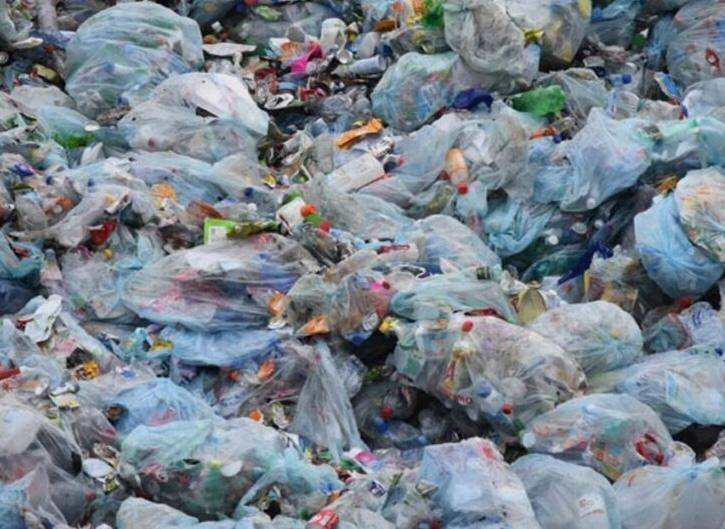
Guinée: Interdiction Plastiques Usage Unique 2026 Bans Production, Sale, Use
Summary
- Guinea will implement a nationwide ban on single-use plastics, effective Monday, September 21, 2026.
- The prohibition covers the manufacturing, commercialization, and use of single-use plastic items across the entire country.
- This measure marks a significant step in Guinea's ongoing efforts to combat plastic pollution.
- The decision has generated diverse reactions in Conakry, balancing environmental hopes with concerns over the cost of alternatives.
- Businesses, particularly in manufacturing, retail, and hospitality, must review supply chains to ensure compliance by the deadline.
Guinea's Landmark Single-Use Plastic Ban Approaches
For legal and compliance professionals, advising clients on this impending shift is paramount.
Guinea is preparing to enact a significant environmental policy, with a nationwide ban on single-use plastics set to commence in September 2026. This decisive action represents a new phase in the nation's ongoing efforts to combat plastic pollution. The impending legislation, often referred to as the Guinée interdiction plastiques usage unique 2026, aims to drastically reduce the environmental footprint of disposable plastic items across the country.
The comprehensive prohibition will encompass the manufacturing, commercialization, and direct use of these materials. This broad scope signals a strong commitment from the Guinean government to address the pervasive issue of plastic waste, which has long posed challenges to public health and ecological systems. The measure is expected to reshape various sectors of the economy, prompting a reevaluation of supply chains and product offerings.
The official implementation date for this pivotal environmental regulation is scheduled for Monday, September 21, 2026. This specific timeline provides businesses and consumers with a defined period to adapt to the new requirements. The introduction of this single-use plastic ban Guinea is a critical step towards fostering a more sustainable national environment and aligns with global movements to mitigate plastic waste.
Regulatory Scope and Compliance Requirements
The forthcoming réglementation plastiques usage unique Guinée will impose strict limitations across the entire national territory. From the specified date, the production of single-use plastic items will be outlawed, directly impacting manufacturers operating within Guinea. Furthermore, the commercialization, or sale, of these products will also be prohibited, affecting retailers, distributors, and importers.
Beyond manufacturing and sales, the ban extends to the direct use of single-use plastics by individuals and businesses. This means that consumers will no longer be able to utilize such items, and industries like hospitality, food service, and retail will need to transition to approved alternatives. The loi plastique Guinée septembre 2026 is designed to be all-encompassing, ensuring that the entire lifecycle of single-use plastics, from creation to disposal, is addressed.
For legal and compliance professionals, advising clients on this impending shift is paramount. Businesses, particularly those in manufacturing, retail, and hospitality, must immediately review their existing supply chains and product inventories to ensure full adherence to the ban by September 2026. Proactive measures are essential to mitigate potential legal and financial repercussions associated with non-compliance once the regulation takes effect.
Anticipated Reactions and Economic Considerations
The announcement of the Guinée interdiction plastiques usage unique 2026 has already sparked considerable discussion and varied reactions, particularly within Conakry. While there is widespread hope for the positive environmental outcomes of reducing plastic pollution Guinée, significant concerns have also emerged regarding the economic implications, especially the cost and availability of alternatives plastiques Guinée.
In Conakry, where plastic bags (sachets) are a ubiquitous part of daily commerce, the prospect of their prohibition has generated particular attention. The transition away from these inexpensive and readily available items presents a substantial challenge for both vendors and consumers. The cost of environmentally friendly substitutes, such as reusable bags or biodegradable packaging, is a primary worry for many, potentially impacting livelihoods and consumer prices.
Stakeholders are weighing the environmental benefits against the practical and financial hurdles of adopting new materials and practices. Ensuring accessible and affordable alternatives will be crucial for the successful implementation of the ban and for alleviating the economic anxieties expressed by various segments of the population. The government's ability to support this transition will largely determine the overall success and public acceptance of this ambitious environmental initiative.
Practical Implications
Lawyers and compliance officers in Guinea must advise clients, particularly those in manufacturing, retail, and hospitality, to immediately review their supply chains and product offerings to ensure full compliance with the impending ban on single-use plastics by September 2026, mitigating legal and financial risks.
Source
How does this affect you?
Get an AI analysis of this article grounded in your jurisdictions, practice areas, and any policy documents you've uploaded to Wansom.
Finish Reading the Full Story and the Expert Analysis.
Get the latest legal & regulatory intelligence in Guinea
Wansom is AI and can make mistakes.