
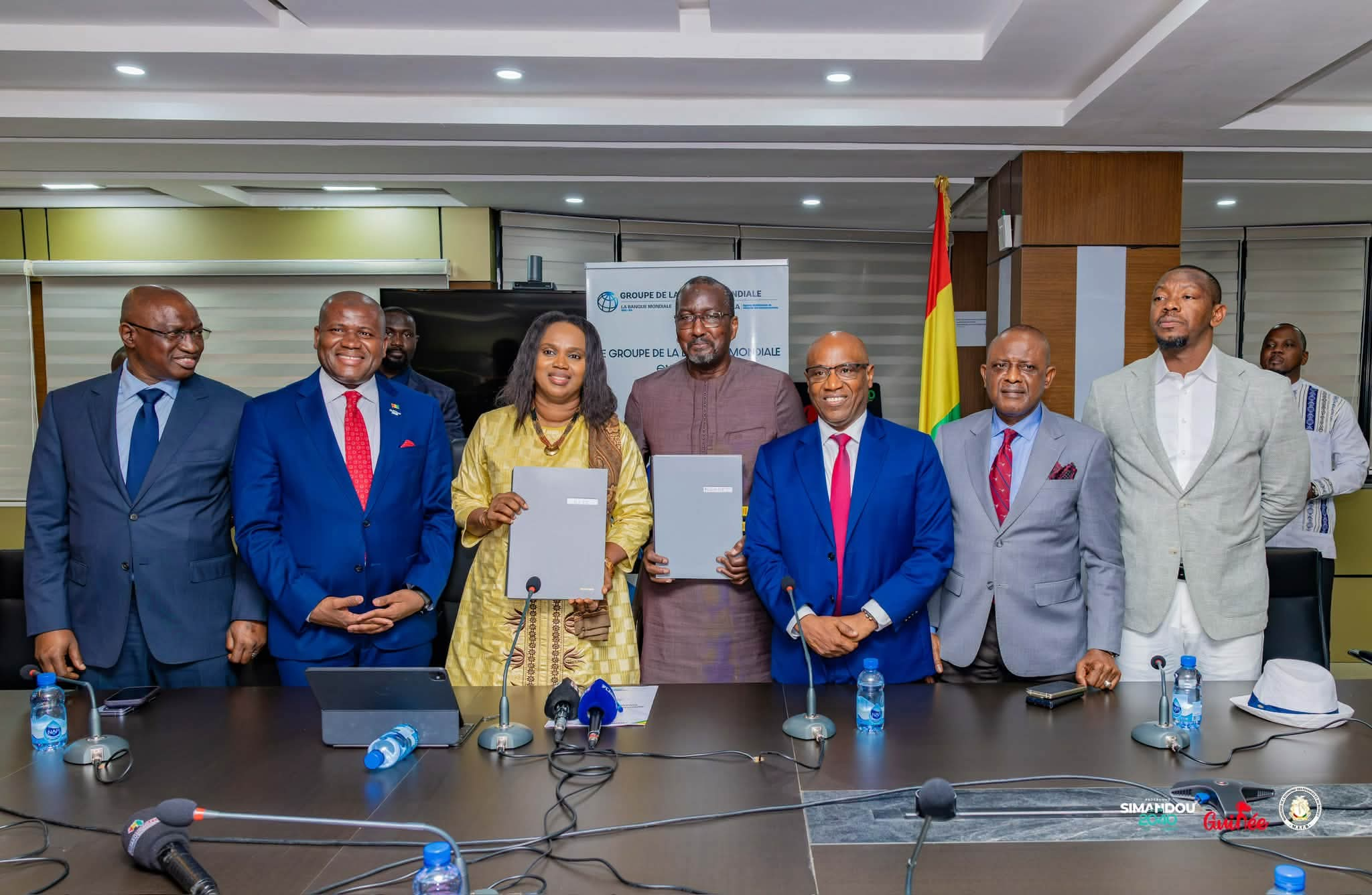
Guinée, IFC: Accord Simandou 2040 to Boost Private Investment
Summary
- The Guinean government and the International Finance Corporation signed a cooperation agreement on October 18, 2023.
- This accord aims to develop public-private partnerships to attract private investment.
- The primary goal is to accelerate priority infrastructure projects under the Simandou 2040 program.
- The International Finance Corporation is a member of the World Bank Group.
A Landmark Agreement for Guinean Development
This accord, central to the nation's ambitious development agenda, is specifically designed to foster and expand public-private partnerships across Guinea.
The Guinean government and the International Finance Corporation (IFC), a key entity within the broader World Bank Group, formally entered into a significant cooperation agreement on Wednesday, October 18, 2023. This accord, central to the nation's ambitious development agenda, is specifically designed to foster and expand public-private partnerships across Guinea. The primary aim of this strategic alliance is to unlock and channel private investment into critical infrastructure projects.
This collaborative effort underscores a concerted push to leverage external capital for national growth. The agreement between Guinée and the IFC marks a pivotal step in the country's strategy to enhance its economic landscape through robust infrastructure development, ensuring that essential projects receive the necessary financial backing from diverse sources.
Catalyzing Infrastructure Through Private Investment
A core objective of the newly established partnership between the Guinean authorities and the Société Financière Internationale Guinée is the substantial mobilization of private capital. This influx of investment is deemed crucial for accelerating the completion of priority infrastructure initiatives that are vital for the nation's progress. The focus on attracting private funds reflects a strategic shift towards more diversified financing models for large-scale developments.
By engaging the private sector, the government seeks to inject efficiency and innovation into the execution of major projects. This approach to financement infrastructures Simandou aims to bridge funding gaps and ensure that key developments proceed without delay, ultimately contributing to the long-term economic resilience and growth of Guinea. The emphasis on investissement privé Guinée is a clear signal of the country's commitment to creating an attractive environment for global investors.
The Vision of Simandou 2040
This cooperation agreement is intrinsically linked to the overarching Simandou 2040 program, a comprehensive national initiative designed to guide Guinea's development trajectory over the coming decades. The program outlines a series of priority infrastructure projects, and the recent accord with the IFC is intended to provide a critical financial mechanism for their realization. The long-term vision embedded in Simandou 2040 necessitates significant and sustained investment, making the mobilization of private capital through partnerships indispensable.
The strategic framework of Simandou 2040 serves as the blueprint for Guinea's future, encompassing various sectors beyond just mining, though the Simandou iron ore project is a major component. The agreement ensures that the ambitious targets set forth by the program can be met by drawing upon the expertise and financial resources of the private sector, thereby solidifying the foundation for future economic prosperity.
Strengthening Public-Private Collaboration
The fundamental purpose of the accord is to develop and strengthen the framework for partenariats public-privé Guinée. This involves creating an environment conducive to collaboration between government entities and private enterprises, particularly in the realm of large-scale infrastructure. Such partnerships are seen as essential for sharing risks, pooling resources, and harnessing specialized skills that can drive complex projects forward more effectively.
The commitment to enhancing public-private partnerships signals a modern approach to governance and development, where the state acts as a facilitator and regulator, while the private sector brings capital and operational efficiency. This model is expected to be a cornerstone of the Simandou 2040 program, ensuring that the nation's infrastructure goals are achieved through collaborative and sustainable means.
Practical Implications
This agreement signals increased opportunities for private sector involvement in major infrastructure projects in Guinea under the Simandou 2040 program, particularly through public-private partnerships. Lawyers should advise clients on potential investment avenues, the evolving regulatory landscape for PPPs, and the due diligence required for participating in these large-scale developments.
Source
How does this affect you?
Get an AI analysis of this article grounded in your jurisdictions, practice areas, and any policy documents you've uploaded to Wansom.
Finish Reading the Full Story and the Expert Analysis.
Get the latest legal & regulatory intelligence in Guinea
Wansom is AI and can make mistakes.