
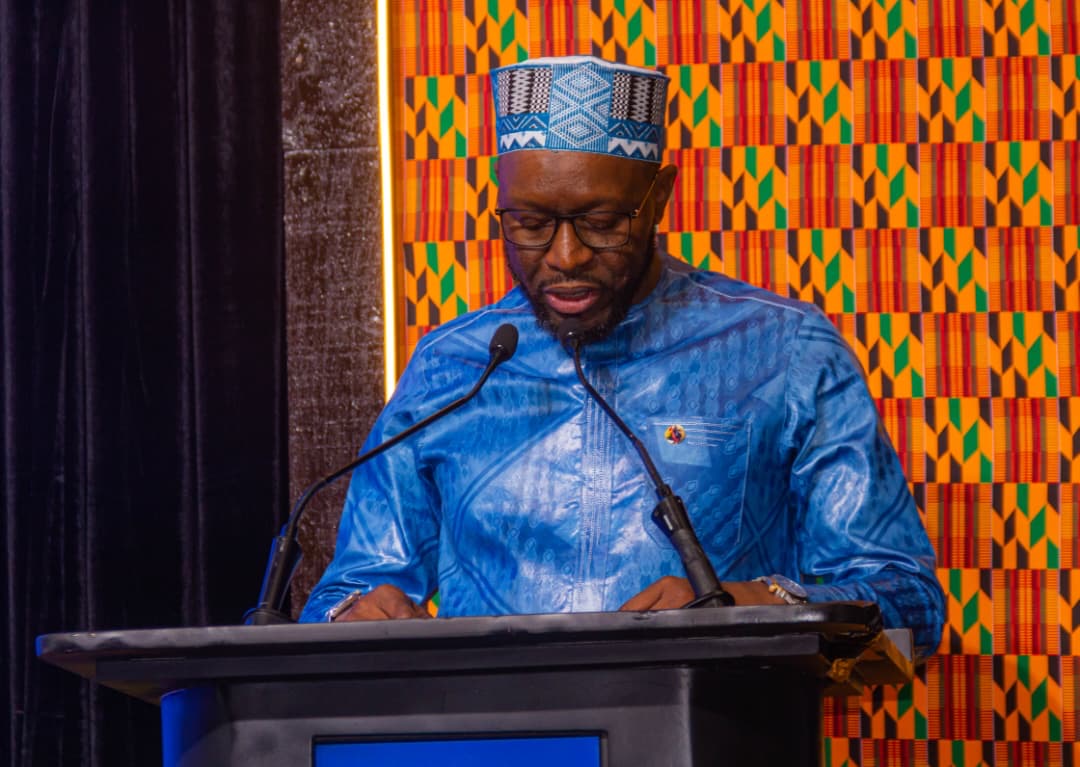
Guinée: Minister Kourouma Signs Convention d’Accra Documents Cargaison
Summary
- Guinea's Minister of Industry and Commerce, Aboubacar Kourouma, signed the United Nations Convention on Negotiable Cargo Documents on October 26, 2026.
- The signing ceremony for the Convention d’Accra took place in Accra, Ghana.
- Once ratified and implemented, the convention is expected to streamline international trade and secure transactions for Guinea.
- A key benefit is facilitating access to credit for small and medium-sized enterprises (PME) involved in international commerce.
- The agreement aims to modernize and harmonize legal rules for cargo documents, enhancing predictability in global trade.
What Happened
Crucially, it aims to facilitate access to credit for small and medium-sized enterprises (PME) engaged in commerce international Guinée PME.
On Monday, October 26, 2026, Guinea's Minister of Industry and Commerce, Aboubacar Kourouma, formally signed the United Nations Convention on Negotiable Cargo Documents. This significant event took place in Accra, Ghana, marking a pivotal step for the West African nation in its engagement with international trade frameworks. The instrument is commonly referred to as the Convention d’Accra, given its signing location.
The act of signing signifies Guinea's intent to adopt the principles and regulations outlined within this international legal framework. While the signature is a crucial initial stage, the full impact of the Convention d’Accra will only materialize once the necessary domestic ratification processes are completed and the provisions are effectively implemented within Guinean law and commercial practices. This process is essential for the convention to become legally binding and operational within the country.
Legal Context
The United Nations Convention on Negotiable Cargo Documents, signed by Minister Kourouma, is designed to modernize and harmonize the legal rules governing bills of lading and other transport documents used in international trade. Its primary objective is to create a more predictable and secure environment for the movement of goods across borders, addressing challenges related to the transfer of title and the use of these documents as collateral.
By standardizing the legal framework for documents cargaison, the convention aims to reduce legal uncertainties and disputes that can arise in complex international shipping transactions. The signing in Accra, Ghana, underscores the regional and global effort to streamline commerce through unified legal instruments, ensuring that the Convention des Nations Unies sur les documents de cargaison négociables gains wider acceptance and application among trading nations.
Why It Matters
The potential benefits for Guinea, once the Convention d’Accra is ratified and implemented, are substantial and far-reaching. It is anticipated to significantly streamline international trade operations, making the movement of goods more efficient and less prone to delays. This facilitation échanges Guinée could enhance the country's position as a trading partner by providing greater clarity and reliability in its commercial transactions.
Furthermore, the convention is expected to bolster the security of transactions involving cargo, offering clearer legal pathways for ownership and liability. Crucially, it aims to facilitate access to credit for small and medium-sized enterprises (PME) engaged in commerce international Guinée PME. By providing a robust legal framework for negotiable cargo documents, these instruments can more readily serve as collateral, thereby unlocking financing opportunities that might otherwise be inaccessible to smaller businesses, fostering economic growth and participation in global markets.
Practical Implications
Lawyers advising businesses engaged in international trade with Guinea, particularly SMEs, should monitor the ratification and implementation of the UN Convention on Negotiable Cargo Documents. This will likely introduce new legal frameworks for cargo transactions, potentially streamlining processes and impacting credit access, requiring adjustments to existing contracts and compliance procedures.
Source
How does this affect you?
Get an AI analysis of this article grounded in your jurisdictions, practice areas, and any policy documents you've uploaded to Wansom.
Finish Reading the Full Story and the Expert Analysis.
Wansom is AI and can make mistakes.