
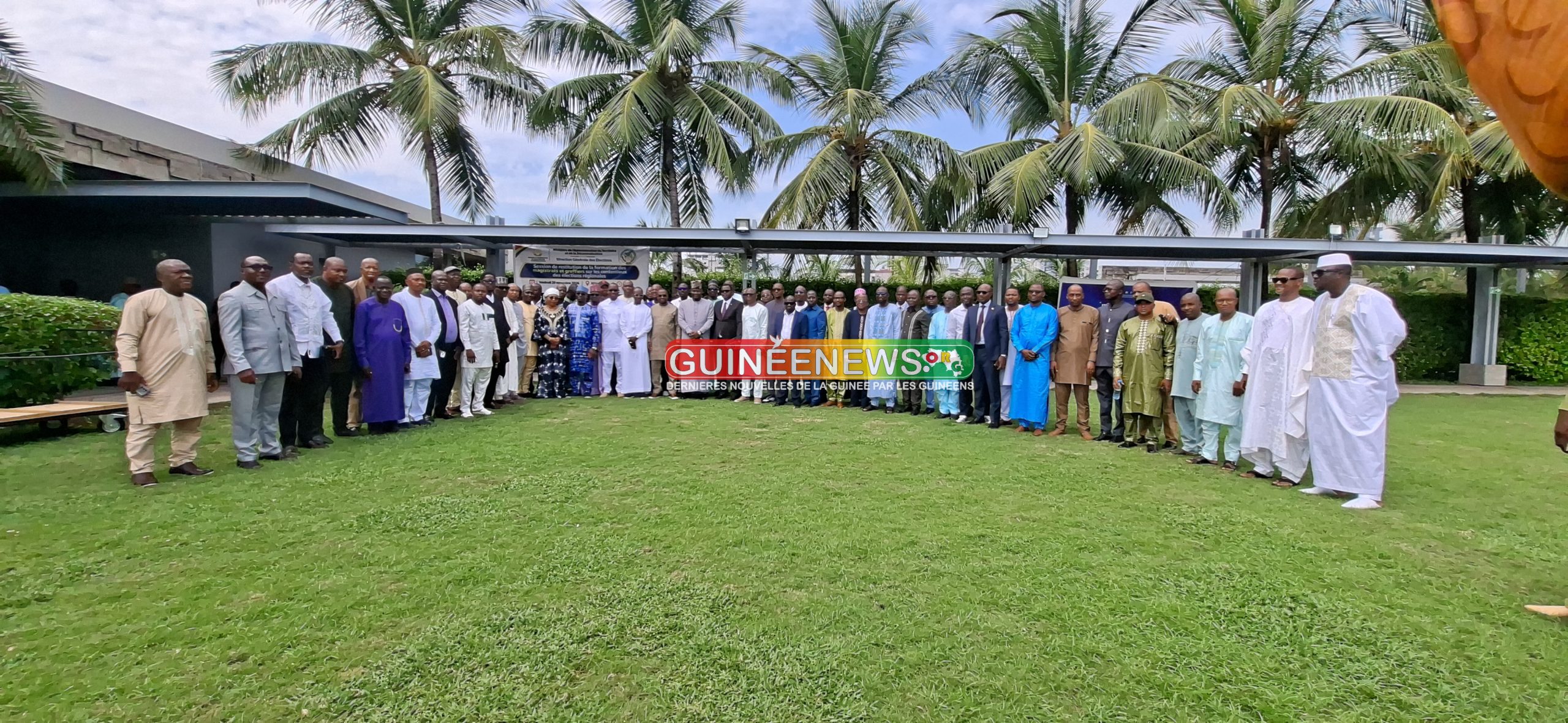
DGE Guinée: Formation Magistrats en Contentieux Électoral pour 2026
Summary
- The Direction générale des élections (DGE) in Guinea is enhancing the capabilities of judicial professionals.
- This initiative is in preparation for the regional elections scheduled for November 29, 2026.
- A two-day workshop on electoral litigation was launched on November 20 in Conakry, concluding on November 21.
- The training aims to ensure magistrates are well-prepared to handle electoral disputes with rigor and fairness.
- This effort seeks to strengthen the legal framework and public trust in Guinea's electoral process.
A Proactive Step Towards Electoral Integrity
The emphasis on "Guinée contentieux électoral formation magistrats" signals a heightened expectation for judicial rigor in future electoral proceedings.
The Direction générale des élections (DGE) in Guinea has initiated a significant program aimed at enhancing the capabilities of judicial professionals. This strategic move is specifically designed to bolster the integrity and efficiency of the electoral process ahead of the upcoming regional elections, scheduled for November 29, 2026. The DGE's commitment to strengthening the judicial framework underscores a proactive approach to managing potential disputes.
This comprehensive effort began with a focused workshop held in a hotel in Conakry. Launched on Friday, November 20, the event served as both a restitution session and a capacity-building exercise. Its primary objective was to delve into the intricacies of electoral litigation, providing participants with advanced knowledge and practical skills essential for handling such cases.
The intensive training session, which concluded on November 21, brought together key judicial actors. By concentrating on the specific challenges and procedures associated with electoral disputes, the DGE aims to ensure that magistrates are thoroughly prepared to apply the principles of Guinean electoral law with precision and fairness, thereby reinforcing public trust in the electoral system.
Reinforcing the Judicial Pillar
The focus on electoral litigation, or "contentieux électoral," is a critical component of ensuring transparent and credible elections. Magistrates play an indispensable role in resolving disputes that inevitably arise during electoral cycles, from candidate eligibility challenges to post-election result contests. Equipping these legal professionals with specialized training is paramount for upholding the rule of law in democratic processes.
This initiative by the DGE Guinée to reinforce capacities directly addresses the need for a robust legal infrastructure surrounding elections. The workshop in Conakry provided a dedicated forum for judicial actors to deepen their understanding of the complex legal provisions governing elections in Guinea. Such preparation is vital for navigating the nuances of electoral law and ensuring consistent application across all regional contests.
The training program is a clear indication of the DGE's foresight in preparing for the 2026 regional elections. By investing in the formation of magistrates regarding electoral disputes, the institution is laying the groundwork for a more rigorous and standardized judicial review process. This proactive measure aims to minimize ambiguities and enhance the efficiency with which electoral complaints are handled, contributing significantly to the overall stability of the electoral environment.
Implications for Future Elections
The emphasis on "Guinée contentieux électoral formation magistrats" signals a heightened expectation for judicial rigor in future electoral proceedings. For political parties, candidates, and their legal advisors, this development implies a need for meticulous preparation of all filings and arguments. The judiciary, now better equipped, will likely demand strict adherence to established electoral laws and procedures.
This commitment to strengthening judicial capacities through targeted training sessions, such as the recent atelier contentieux électoral Conakry, is crucial for the democratic development of Guinea. It helps to solidify the legal foundations upon which free and fair elections depend, ensuring that any disputes are resolved impartially and effectively, thereby safeguarding the will of the electorate.
Ultimately, the DGE's efforts in preparing for the élections régionales Guinée 2026 by enhancing the expertise of judicial actors will have far-reaching effects. It aims to foster an environment where electoral outcomes are respected, not just because they are declared, but because the process of resolving any challenges is perceived as just and competent. This proactive approach to droit électoral Guinée is a positive step towards greater electoral transparency and accountability.
Practical Implications
Lawyers advising political parties or candidates in Guinea should note the DGE's initiative to train magistrates on electoral litigation. This indicates a push for more rigorous and standardized judicial review of electoral disputes, necessitating meticulously prepared filings and arguments that strictly adhere to electoral laws and procedures.
Source
How does this affect you?
Get an AI analysis of this article grounded in your jurisdictions, practice areas, and any policy documents you've uploaded to Wansom.
Finish Reading the Full Story and the Expert Analysis.
Get the latest legal & regulatory intelligence in Guinea
Wansom is AI and can make mistakes.