
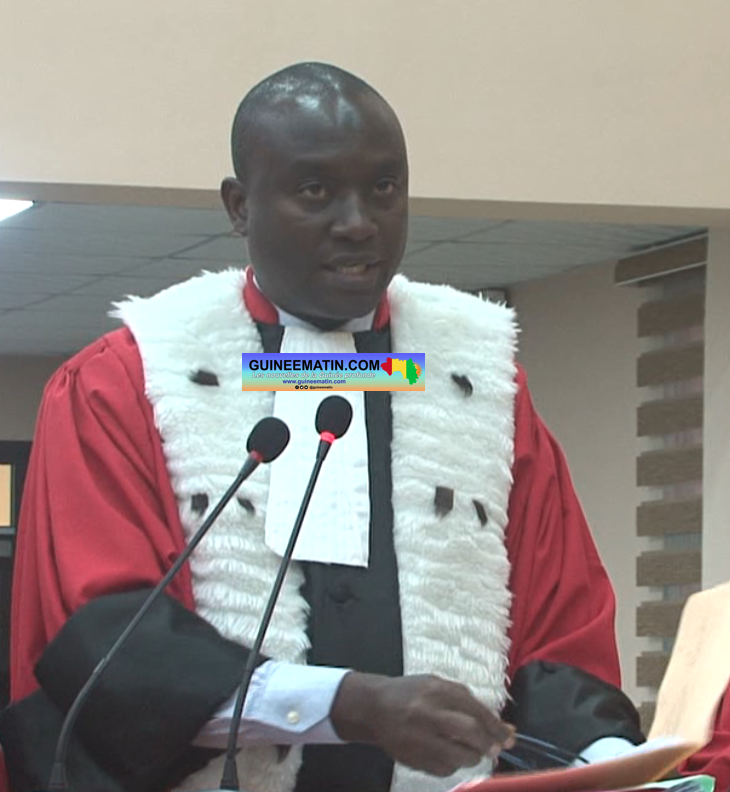
Guinea Supreme Court: Former Prosecutor's Trial Opens
The trial of Algassimou Diallo, a former Advocate General at the Supreme Court of Guinea, commenced before the Supreme Court on Friday, September 4, 2026.
This development holds profound legal significance, particularly given the high-profile nature of the accused and the court involved. Algassimou Diallo, as a former Advocate General, occupied a senior position within the Guinean judiciary, making his trial before the Supreme Court a powerful statement regarding accountability for public officials, irrespective of their past roles. The charges themselves – "provocation to discrimination, hatred or violence for discrimination and criminal association" – are serious, touching upon fundamental human rights, public order, and the integrity of the justice system. This case underscores the potential legal ramifications for individuals in positions of trust who are alleged to have engaged in actions that undermine social cohesion or incite unlawful conduct.
The legal context for this trial is rooted in Guinea's criminal justice system and its constitutional framework. The Supreme Court, typically the highest court of appeal, is exercising original jurisdiction in this matter, which is often reserved for cases involving high-ranking officials or those with significant constitutional implications. The specific charges against Mr. Diallo would fall under the Guinean Penal Code, which criminalizes acts of incitement to discrimination, hatred, or violence, as well as participation in criminal associations. The proceedings will undoubtedly be governed by principles of due process and fair trial, as enshrined in Guinea's constitution and international human rights instruments to which the country is a signatory.
Key parties in this matter include Algassimou Diallo as the accused, and the Supreme Court of Guinea as the presiding judicial body. While the specific prosecuting authority is not named, it would typically be the public prosecutor's office. For legal professionals, this trial presents a critical opportunity to observe the application of criminal law concerning hate speech and public order offenses, especially in the context of high-ranking individuals. Attorneys advising clients on matters of public discourse, human rights, or criminal liability should closely monitor the proceedings for insights into judicial interpretation and enforcement. The outcome, which is not yet reported, could establish important precedents regarding accountability within the judiciary and the broader application of criminal statutes related to discrimination and public incitement, reinforcing the imperative for ethical conduct and adherence to legal principles for all citizens, particularly those in positions of influence.
How does this affect you?
Get an AI analysis of this article grounded in your jurisdictions, practice areas, and any policy documents you've uploaded to Wansom.
Finish Reading the Full Story and the Expert Analysis.
Wansom is AI and can make mistakes.