
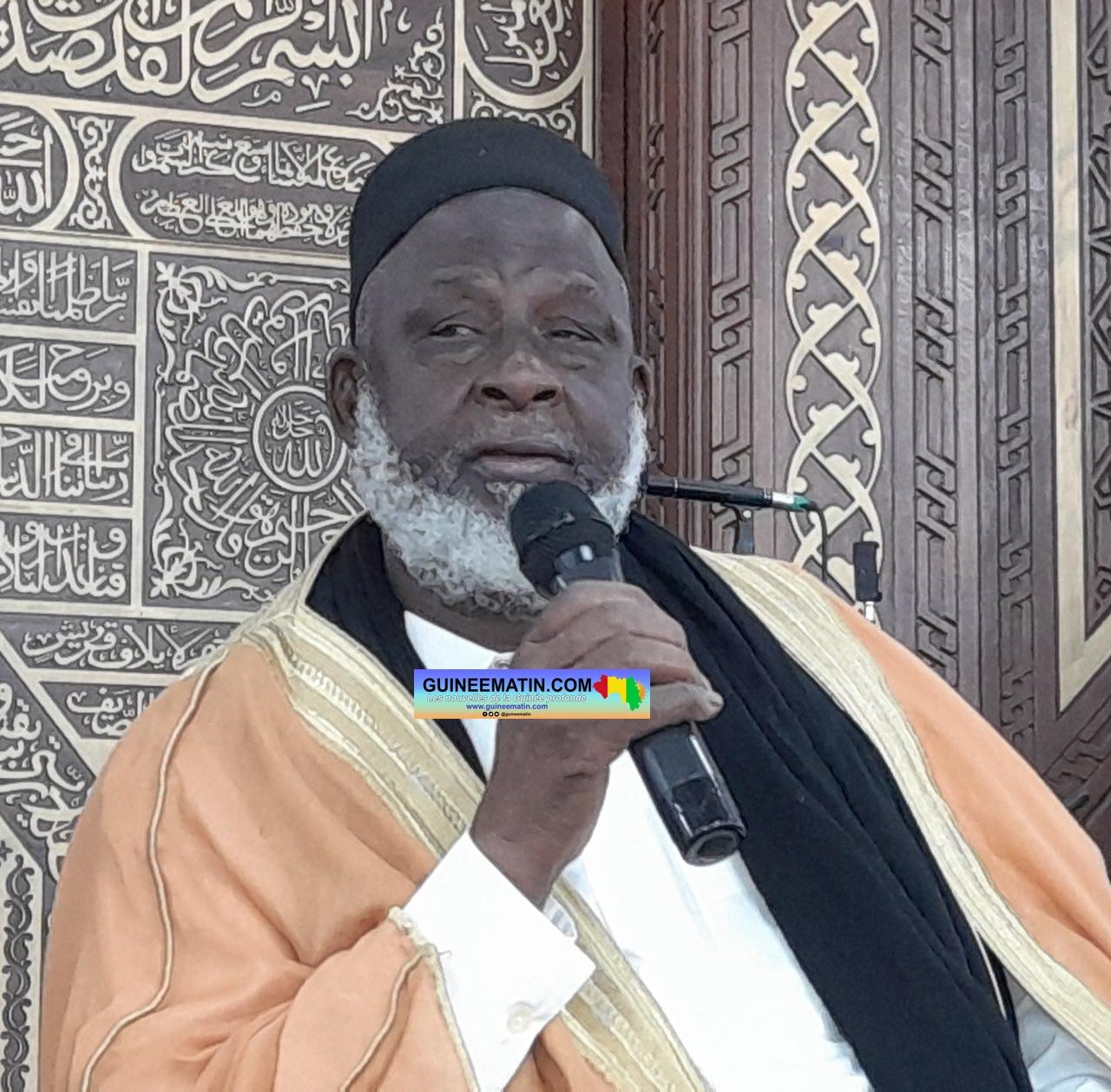
Elhadj Mamadou Saliou Camara Asks Guinea Government to Release Bella Bah
Summary
- Elhadj Mamadou Saliou Camara, first imam of Conakry's Grand Mosque, has spoken out for the release of activist Bella Bah.
- Camara considers Bah to be like a son and is deeply concerned about his detention.
- The statement marks a rare instance of a prominent Guinean cleric speaking out on behalf of an individual arrested for their activism.
- Guinea has a history of restricting freedom of speech and assembly, with activists frequently facing arrest and detention for their activities.
Elhadj Mamadou Saliou Camara Speaks Out for Bella Bah's Release
Camara expressed his support for Bah's release, stating that he considers Bah to be like a son and is deeply concerned about his detention.
In a video statement released on August 11, 2026, Elhadj Mamadou Saliou Camara, the first imam of Conakry's Grand Mosque, broke his silence regarding the arrest of activist Bella Bah. Camara expressed his support for Bah's release, stating that he considers Bah to be like a son and is deeply concerned about his detention. The statement marks a rare instance of a prominent Guinean cleric speaking out on behalf of an individual arrested for their activism.
Camara's decision to speak out may have significant implications for the Guinean government, which has faced criticism for its treatment of activists and dissidents. The government's response to Camara's statement will be closely watched by human rights groups and observers.
Legal Context: Freedom of Speech and Assembly in Guinea
Guinea has a history of restricting freedom of speech and assembly, with activists frequently facing arrest and detention for their activities. The country's laws governing public gatherings and demonstrations are often used to suppress dissenting voices. In recent years, there have been growing concerns about the erosion of human rights in Guinea, including the right to peaceful assembly and free expression.
The Guinean government has faced international pressure to reform its laws and improve its human rights record. The United Nations has called on Guinea to respect the rights to freedom of speech and assembly, and to ensure that activists are not targeted for their activities.
Why It Matters: Implications for Freedom of Speech and Assembly
Camara's statement highlights the need for greater protections for freedom of speech and assembly in Guinea. The government's response to his call for Bah's release will be closely watched by human rights groups and observers. If the government fails to act, it could exacerbate concerns about the erosion of human rights in Guinea.
Lawyers and compliance officers should monitor this development for potential implications on freedom of speech and assembly in Guinea, as well as any related changes to the country's human rights landscape.
Source
How does this affect you?
Get an AI analysis of this article grounded in your jurisdictions, practice areas, and any policy documents you've uploaded to Wansom.
Wansom is AI and can make mistakes.