
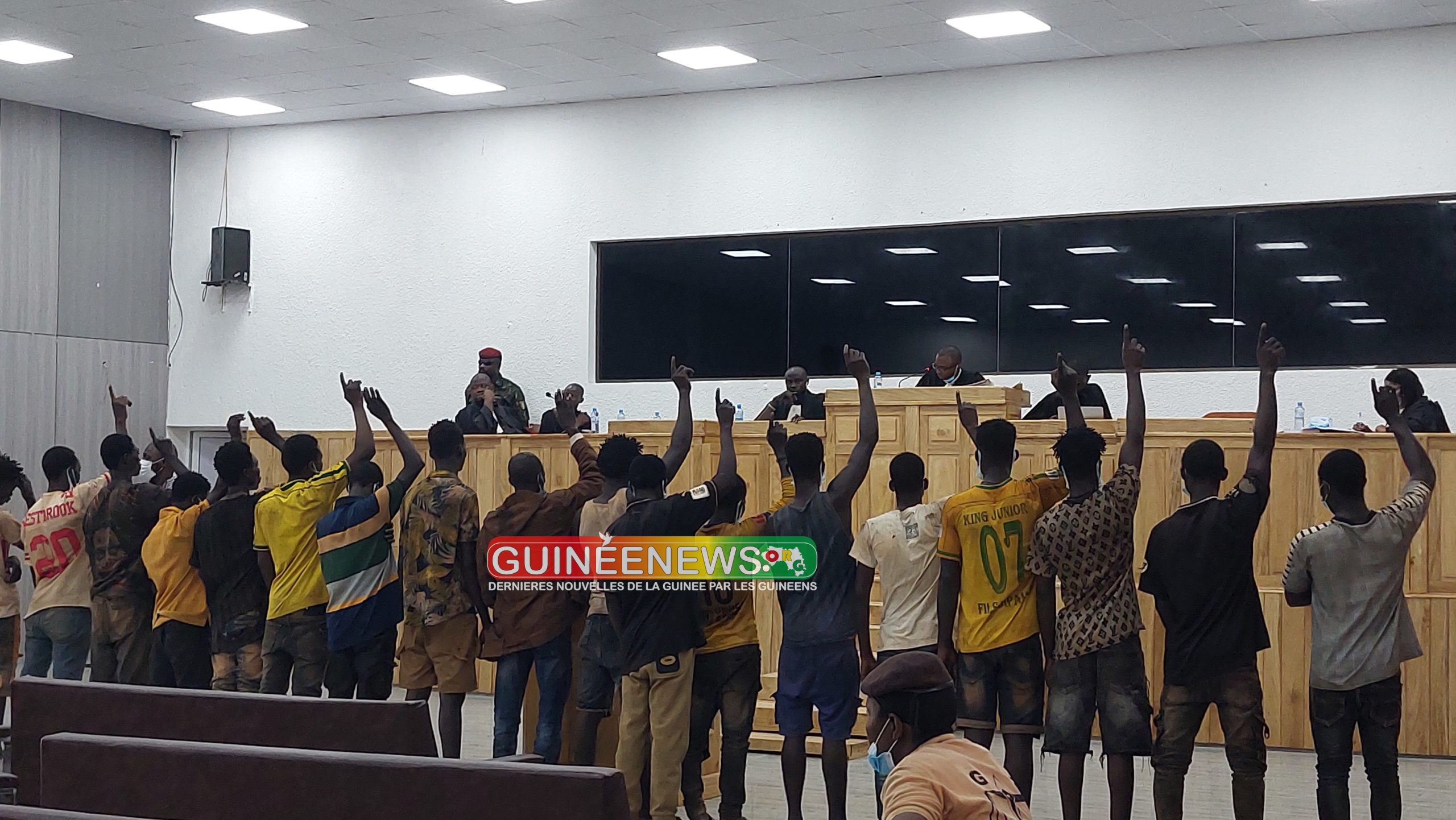
CRIEF: 12 Siguiri Gold Panning Minors Identified Among 202 Defendants
Summary
- On November 10, 2026, a hearing took place before the CRIEF Judgment Chamber concerning a gold panning case in Siguiri.
- Me Abou Camara, representing some of the defendants, revealed that 12 minors were among the 202 artisanal gold miners facing charges.
- The lawyer requested the court to apply specific legal provisions appropriate for the age of these juvenile defendants.
- This development highlights the intersection of economic crime and juvenile justice considerations in Guinea.
- The case involves a total of 202 individuals accused in connection with gold panning activities.
Hearing Reveals Juvenile Involvement
Lawyers representing clients in large-scale economic crime cases, especially those linked to artisanal mining, must be acutely prepared to identify and champion specific legal protections and procedural safeguards for minors.
During a session held on Tuesday, November 10, 2026, before the Judgment Chamber of the Cour de répression des infractions économiques et financières (CRIEF), a significant detail emerged regarding the ongoing gold panning case in Siguiri. Me Abou Camara, representing a segment of the 202 artisanal gold miners who appeared before the court, brought to light the presence of 12 minors among the defendants. This revelation introduces a critical juvenile justice dimension to the proceedings concerning the CRIEF Siguiri gold panning minors.
Me Camara, acting on behalf of his clients, formally requested the court to apply specific legal provisions tailored to the age of these individuals. The attorney underscored that the involvement of minors necessitates a distinct approach within the legal framework, emphasizing the unique protections and procedures that should govern their treatment in such a high-profile economic crime case. The total number of individuals facing charges in connection with the Siguiri gold panning activities stands at 202, making the identification of these 12 minors a pivotal development.
Legal Context and Protections for Minors
The Cour de répression des infractions économiques et financières (CRIEF) is typically tasked with adjudicating complex financial and economic offenses. However, the identification of 12 mineurs orpailleurs Siguiri within the defendant pool introduces a layer of complexity that mandates a careful consideration of Guinea's juvenile justice framework. The legal system is generally designed to treat minors differently from adults, recognizing their vulnerability and the potential for rehabilitation over punitive measures.
Me Abou Camara's defense strategy for the CRIEF proceedings now critically involves advocating for these specific protections. This situation highlights the intersection of serious economic crime allegations, often associated with artisanal mining, and the imperative to uphold the rights and distinct legal treatment of young individuals. The request for age-appropriate legal application underscores the need for specialized legal strategies when juvenile defendants are implicated in cases typically reserved for adult offenders, particularly within the context of droit minier artisanal Guinée.
Broader Implications for Justice in Guinea
The presence of minors in the Siguiri gold panning case before the CRIEF carries significant implications for legal practice and the administration of justice in Guinea. Lawyers representing clients in large-scale economic crime cases, especially those linked to artisanal mining, must be acutely prepared to identify and champion specific legal protections and procedural safeguards for minors. This development underscores how juvenile justice considerations can intersect with intricate financial crimes, demanding specialized legal approaches and a thorough understanding of relevant statutory provisions concerning minors.
This scenario emphasizes the ongoing challenge of ensuring that all individuals, regardless of age, receive due process and appropriate legal treatment, even when accused of involvement in economic infractions. The case of the CRIEF Siguiri gold panning minors serves as a reminder that legal professionals must remain vigilant in upholding the distinct rights of juveniles, ensuring that their age is a central factor in how their cases are handled within the broader justice system.
Practical Implications
Lawyers representing clients in large-scale economic crime cases in Guinea, particularly those involving artisanal mining, must be prepared to identify and advocate for specific legal protections and procedures for minors. This development highlights the potential for juvenile justice considerations to intersect with complex financial crimes, requiring specialized legal strategies and awareness of relevant statutory provisions for minors.
Source
How does this affect you?
Get an AI analysis of this article grounded in your jurisdictions, practice areas, and any policy documents you've uploaded to Wansom.
Finish Reading the Full Story and the Expert Analysis.
Get the latest legal & regulatory intelligence in Guinea
Wansom is AI and can make mistakes.