
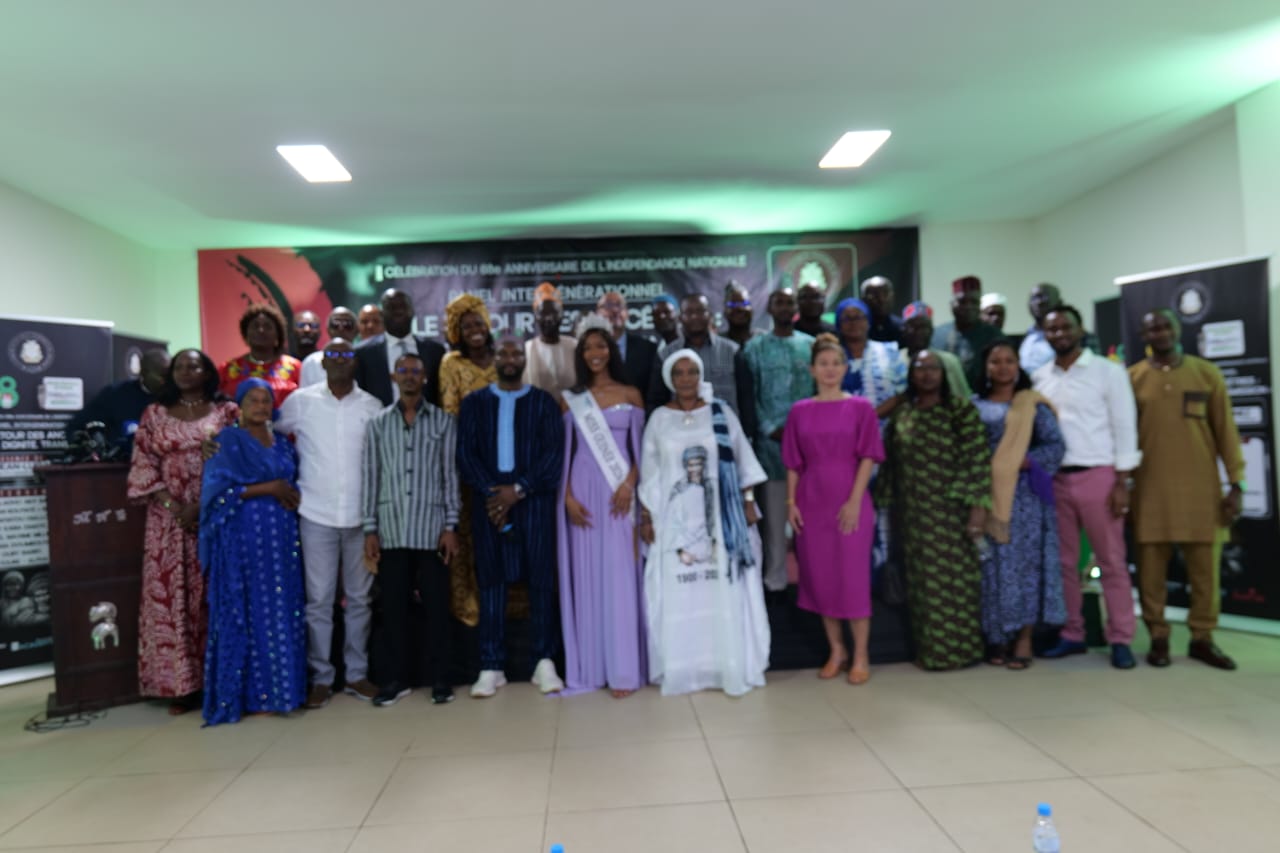
Guinea Advances Cultural Heritage Restitution Program
During a scientific and institutional meeting, Dr. Safiatou Diallo, General Administrator of the Centre International de Recherche et de Documentation (CIRD), presented the National Program for the Inventory, Documentation, and Digitization of Guinean Heritage.
This initiative represents a significant step towards Guinea's assertion of cultural sovereignty and the preservation of its national identity. Dr. Diallo's presentation outlined the scope and progress of this comprehensive program, which encompasses scientific rigor, addresses the complex challenges of restitution, and emphasizes the duty of memory. The program's focus on inventorying, documenting, and digitizing Guinean heritage is foundational for both internal cultural preservation efforts and for strengthening potential claims for the return of cultural artifacts currently held abroad. The excerpt does not report any specific legal ruling or outcome, but rather the advancement of a national program.
The legal significance of this program is profound for cultural heritage law, international law, and intellectual property. It lays the groundwork for future legal and diplomatic efforts concerning the restitution of cultural property, aligning Guinea with a growing global movement advocating for the return of colonial-era artifacts. For legal practitioners, this highlights the increasing importance of understanding cultural property law, the legal frameworks governing intellectual property rights related to digitized heritage, and international conventions on cultural heritage protection, such as the 1970 UNESCO Convention and the 1995 UNIDROIT Convention. Guinea, as a sovereign nation, is exercising its right to legislate and act on its cultural heritage, which will involve complex international private and public law considerations, including issues of ownership, provenance, and jurisdiction.
Key parties involved include Dr. Safiatou Diallo and the Centre International de Recherche et de Documentation (CIRD), which is spearheading the program. Implicitly, the Guinean government, particularly the Ministry of Culture, is a central driving force. International institutions like UNESCO, as well as foreign governments and museums currently holding Guinean artifacts, are also crucial stakeholders in the broader context of potential restitution claims.
Attorneys specializing in cultural heritage law, international law, or intellectual property should closely monitor the progress and specific outputs of this national program. It signals Guinea's proactive and systematic approach to cultural restitution, which could lead to future legal claims against foreign institutions, governments, or private collectors. Practitioners should advise museums, collectors, and art dealers on enhanced due diligence requirements regarding the provenance of Guinean artifacts and prepare for potential legal challenges, negotiations, or collaborative initiatives related to restitution. Furthermore, businesses involved in digitization or cultural preservation technologies should be aware of potential opportunities and the evolving legal frameworks governing such projects.
How does this affect you?
Get an AI analysis of this article grounded in your jurisdictions, practice areas, and any policy documents you've uploaded to Wansom.
Finish Reading the Full Story and the Expert Analysis.
Get the latest legal & regulatory intelligence in Guinea
Wansom is AI and can make mistakes.