
Guillaume Ngefa: Accès Justice Kwango Kwilu Face Défis Majeurs
Summary
- Minister Guillaume Ngefa concluded a tour of Kwango and Kwilu provinces on November 15, 2026, to assess the judicial system's functionality.
- He identified significant barriers to justice access, including remote jurisdictions, insufficient magistrates, poor roads, and a lack of resources.
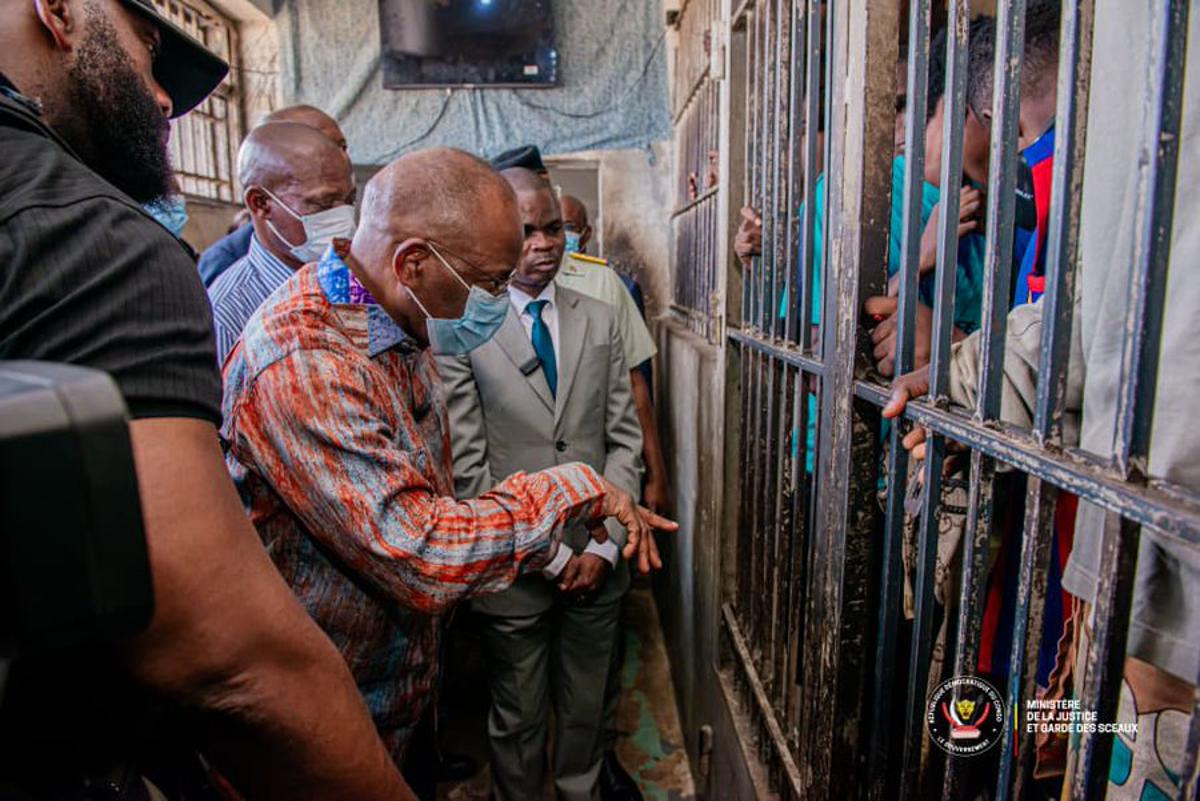
- The Minister also investigated conditions at Idiofa central prison and discussed persistent land conflicts in the Grand Bandundu region.
- Ngefa stressed that justice should function as a public service protecting fundamental rights, not as a tool for repression.
- The government's priority is to ensure equitable access to justice for all citizens, especially those in remote areas.
Assessing Judicial Access in Kwango and Kwilu
Justice must consistently serve as a public utility, upholding the rights and inherent dignity of individuals, rather than functioning as an instrument of suppression.
Guillaume Ngefa, the Minister of State, Minister of Justice, and Keeper of the Seals, concluded a comprehensive tour of the Kwango and Kwilu provinces on November 15, 2026. The primary objective of this visit was to evaluate the operational effectiveness of the judicial apparatus and to enhance the accessibility of justice for local populations. During his stay in Idiofa, located in Kwilu, Minister Ngefa highlighted several critical impediments to accessing justice within these regions.
These significant challenges include the considerable distances separating communities from judicial institutions, a severe shortage of qualified magistrates, the deplorable state of road infrastructure, and an overall lack of essential operational resources. These constraints collectively underscore the profound difficulties in providing accessible justice across numerous remote territories within the country's interior, where residents frequently endure extensive travel to reach any form of judicial service. Throughout his itinerary, Minister Ngefa engaged in discussions with various state agents, administrative officials, and judicial leaders to gather their perspectives and concerns. These conversations specifically addressed working conditions, remuneration issues, and the operational hurdles faced by judicial services in rural settings, with the Minister assuring that these concerns would be escalated to the relevant governmental bodies for review.
Upholding Rights and Reforming Detention
A crucial aspect of the Minister's tour involved an inspection of the central prison in Idiofa, where he directly interacted with several detainees. This engagement aimed to ascertain the prevailing conditions of their incarceration and to understand the reasons behind the protracted delays observed in the processing of various judicial cases. During these interactions, Guillaume Ngefa reiterated the fundamental principle that justice must consistently serve as a public utility, upholding the rights and inherent dignity of individuals, rather than functioning as an instrument of suppression.
He further emphasized that the judicial system should never be perceived as a tool for repression but rather as a public service dedicated to safeguarding human rights and dignity. In line with this perspective, the Minister advocated for the implementation of a penitentiary policy that prioritizes the re-education and social reintegration of incarcerated individuals, moving beyond punitive measures towards restorative outcomes.
Addressing Systemic Gaps and Future Commitments
Discussions during the tour also extended to the pervasive issue of land conflicts, a recurring problem across multiple territories within the broader Grand Bandundu region. Minister Ngefa underscored the imperative for all stakeholders, including those exercising customary responsibilities, to adhere strictly to the laws of the Republic. This emphasis highlights a broader commitment to ensuring legal compliance across all levels of governance and community interaction.
Following this phase of his provincial visits, Guillaume Ngefa reaffirmed his steadfast resolve to combat what he described as a significant absence of judicial presence in certain parts of the nation. He articulated the government's paramount objective: to guarantee equitable access to justice for every citizen, particularly those residing in areas most distant from major urban centers. This commitment reflects a strategic effort to bridge the existing judicial divide and ensure that legal protections are universally available.
Practical Implications
Lawyers advising clients with interests or operations in the Kwango and Kwilu provinces of the DRC should anticipate significant challenges and delays in judicial processes due to the identified lack of infrastructure, insufficient personnel, and poor accessibility. This situation implies increased operational risk and potential difficulties in dispute resolution or enforcement of rights in these regions, requiring alternative strategies or heightened due diligence.
Source
How does this affect you?
Get an AI analysis of this article grounded in your jurisdictions, practice areas, and any policy documents you've uploaded to Wansom.
Finish Reading the Full Story and the Expert Analysis.
Get the latest legal & regulatory intelligence in DR Congo
Wansom is AI and can make mistakes.