
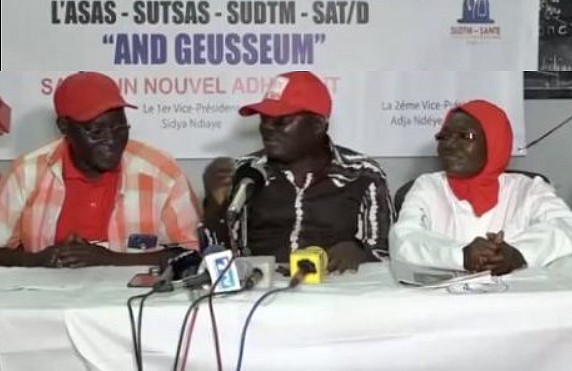
And Gueusseum: New Senegal Strike September 2026, Data Retention Escalates
Summary
- And Gueusseum has announced a 48-hour nationwide strike in Senegal for September 3-4, 2026, following a pause for Mawlid.
- The upcoming strike will continue the withholding of health and social data, a tactic the union believes will impact the population, health system, and state.
- The unions justify their actions by citing salary deductions for strikers, a lack of government response, and perceived official contempt.
- And Gueusseum demands an end to salary deductions and the settlement of social liabilities, appealing directly to President Bassirou Diomaye Faye.
- The alliance previously provided emergency and minimum services for humanitarian reasons but claims authorities began treating this as a permanent obligation.
Escalating Healthcare Dispute in Senegal
The decision by And Gueusseum to conduct the grève 3-4 septembre 2026 Sénégal without providing emergency services or minimum coverage, coupled with the ongoing And Gueusseum rétention données sanitaires, carries substantial implications for public health and the operational integrity of Senegal's healthcare system.
The Alliance of Autonomous Health Unions, And Gueusseum, has declared a 48-hour nationwide strike across Senegal for Thursday, September 3, and Friday, September 4, 2026. This impending action follows a temporary halt in their industrial mobilization, which was observed during the Mawlid religious period. The unions had previously conducted a comprehensive strike on Friday, August 14, 2026, which they reported saw participation rates between 90% and 100%. This earlier stoppage, part of their 13th action plan, was notably characterized by the absence of emergency care provision and a complete disregard for minimum service requirements.
And Gueusseum views the high participation in the August 14 action as a clear indicator of the unwavering resolve among its members and supporters. The upcoming September 2026 strike is poised to intensify the pressure on the government, as the alliance has also announced its intention to continue the retention of health and social data. This particular measure, described by the unions as potentially impacting the general population, the broader health system, and the state itself, signals a significant escalation in their tactics.
Core Grievances Driving the And Gueusseum Strike
The primary justifications cited by And Gueusseum for their sustained industrial action, including the grève santé Sénégal And Gueusseum, stem from several long-standing grievances. Central among these are the salary deductions imposed on striking workers, which the alliance views as punitive. Furthermore, the unions express profound dissatisfaction with what they describe as a lack of substantive response from the government and a perceived attitude of contempt from authorities towards their alliance.
Historically, And Gueusseum states it had, for humanitarian reasons, consistently ensured the continuity of emergency services and minimum provisions during past social movements. However, the alliance contends that this voluntary practice, which involved designating specific workers for these critical tasks, eventually came to be treated by health authorities as a permanent, mandatory obligation rather than a compassionate concession. Consequently, a key demand from the unions is the cessation of these salary deductions for grévistes Sénégal and the comprehensive settlement of outstanding social liabilities.
Broader Implications for Public Health and Governance
The decision by And Gueusseum to conduct the grève 3-4 septembre 2026 Sénégal without providing emergency services or minimum coverage, coupled with the ongoing And Gueusseum rétention données sanitaires, carries substantial implications for public health and the operational integrity of Senegal's healthcare system. The withholding of critical health and social data, as articulated by the union, is a deliberate strategy designed to exert pressure by demonstrating the potential for widespread disruption across various societal sectors.
This approach not only poses immediate risks to patient care continuity but also challenges the state's capacity for effective health management and planning. The National Directorate of ASAS And Gueusseum has directly appealed to President Bassirou Diomaye Faye, whom they identify as the "keystone of institutions," underscoring the gravity of the situation and their belief that presidential intervention is crucial. The alliance's firm stance indicates that the current impasse is unlikely to resolve without significant concessions from the government.
Unwavering Commitment to Mobilization
And Gueusseum has unequivocally stated its commitment to maintaining its mobilization efforts until all its demands are fully met. The alliance's leadership has issued a strong call to its militants and sympathizers, urging them to remain united and steadfast in their resolve. This persistent stance highlights the deep-seated nature of the dispute between the healthcare unions and the Senegalese government, particularly concerning issues like the retenues salariales grévistes Sénégal.
The National Directorate concluded its recent communication with a powerful declaration: "The struggle that liberates continues! United and committed, we will conquer!" This statement encapsulates the militant spirit and determination of And Gueusseum as it prepares for the upcoming And Gueusseum strike Senegal September 2026, signaling that the healthcare sector in Senegal is bracing for a period of sustained industrial action until a satisfactory resolution is achieved. The ongoing dispute with Bassirou Diomaye Faye santé grève implications will continue to be a significant challenge for the administration.
Practical Implications
Lawyers advising healthcare providers in Senegal must note the impending 48-hour And Gueusseum strike, which includes the withholding of health data and no minimum service provision. This creates significant operational and compliance risks, particularly regarding patient care continuity and data management, and necessitates reviewing labor law obligations and contingency plans.
Source
Source: Original reporting via Xibaaru
How does this affect you?
Get an AI analysis of this article grounded in your jurisdictions, practice areas, and any policy documents you've uploaded to Wansom.
Wansom is AI and can make mistakes.