
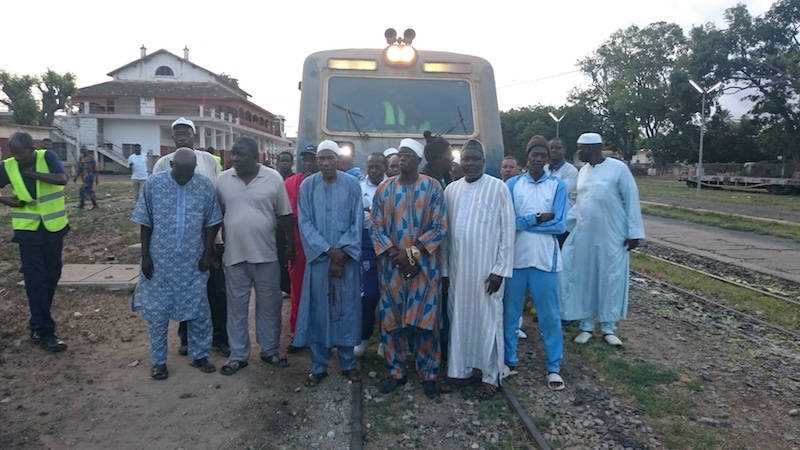
SNCS: Senegalese Government Initiates Railway Workers Debt Settlement
Summary
- The Senegalese government has initiated a debt settlement process for former railway workers from SNCS, TRANSRAIL, and DBF.
- The first payments began on August 17, 2026, and the total debt of 5.2 billion FCFA will be paid out over 45 days.
- The settlement aims to address social debts accumulated by these companies, including unpaid contributions to social security funds.
What Happened
The settlement process is a significant development for former railway workers who have been waiting for payment of their dues.
The Senegalese government has initiated the process of settling debts owed to former railway workers from three companies: SNCS, TRANSRAIL, and Dakar-Bamako Ferroviaire (DBF). A press release from the Ministry of Land and Air Transport announced that the first payments began on August 17, 2026. The settlement is expected to cover a total debt of 5.2 billion FCFA, which will be paid out over the next 45 days. This move aims to address the social debts accumulated by these companies, including unpaid contributions to social security funds.
Legal Context
The settlement process is a significant development for former railway workers who have been waiting for payment of their dues. The Senegalese government's decision to settle these debts comes after years of negotiations and efforts to resolve the outstanding claims. The Ministry of Land and Air Transport has taken steps to ensure that the payments are made promptly, with the first instalments already disbursed. This move is likely to have a positive impact on the lives of former railway workers who have been struggling to make ends meet due to unpaid wages and benefits.
Why It Matters
The settlement of debts owed to former railway workers has far-reaching implications for the Senegalese transport sector. The move is expected to improve the working conditions and compensation packages for current employees, as well as enhance the overall efficiency of the railway system. Moreover, this development sends a strong signal that the government is committed to protecting the rights of its citizens, particularly those who have dedicated their careers to serving the public interest. Lawyers advising clients with outstanding claims against SNCS or other railway companies in Senegal should closely monitor the settlement process for potential payment schedules and amounts, as well as any implications for future employment or business relationships.
Practical Implications
Lawyers advising clients with outstanding claims against the SNCS or other railway companies in Senegal should monitor the settlement process for potential payment schedules and amounts, as well as any implications for future employment or business relationships.
Source
How does this affect you?
Get an AI analysis of this article grounded in your jurisdictions, practice areas, and any policy documents you've uploaded to Wansom.
Wansom is AI and can make mistakes.