
Senegal Ministry: Grand Transfert d'Eau Budget 2027 Secures 13.8 Billion FCFA
Summary
- The Senegalese Ministry of Economy, Finance, and Plan has confirmed the Grand Transfert d'Eau (GTE) project is not abandoned.
- Indemnification funds of 20 billion FCFA were removed from the 2026 rectifying budget because the census and evaluation of affected persons had not yet begun.
- The initial 2027 finance bill includes 13.8 billion FCFA for the GTE project, with potential for upward revision based on progress.
- The GTE aims to supply water to regions including Louga, Thiès, Dakar, and Diourbel, with a specific branch planned for Touba.
- The project is integral to Senegal's vision for modern and sovereign water resource management, as presented at the African Water Forum in July 2026.
Project Funding Confirmed Despite Budget Reallocation
Lawyers advising on infrastructure projects, land acquisition, or environmental impact in Senegal should note that the Grand Transfert d'Eau (GTE) project is confirmed to proceed with 2027 funding, despite previous budget reallocations.
The Senegalese Ministry of Economy, Finance, and Plan has unequivocally stated that the Grand Transfert d'Eau (GTE) project is not abandoned, despite recent budgetary adjustments. This clarification comes after social media reports interpreted the removal of indemnification credits from the 2026 rectifying budget as a cancellation of the initiative. The Ministry confirmed that these expenses have merely been postponed to the subsequent fiscal year.
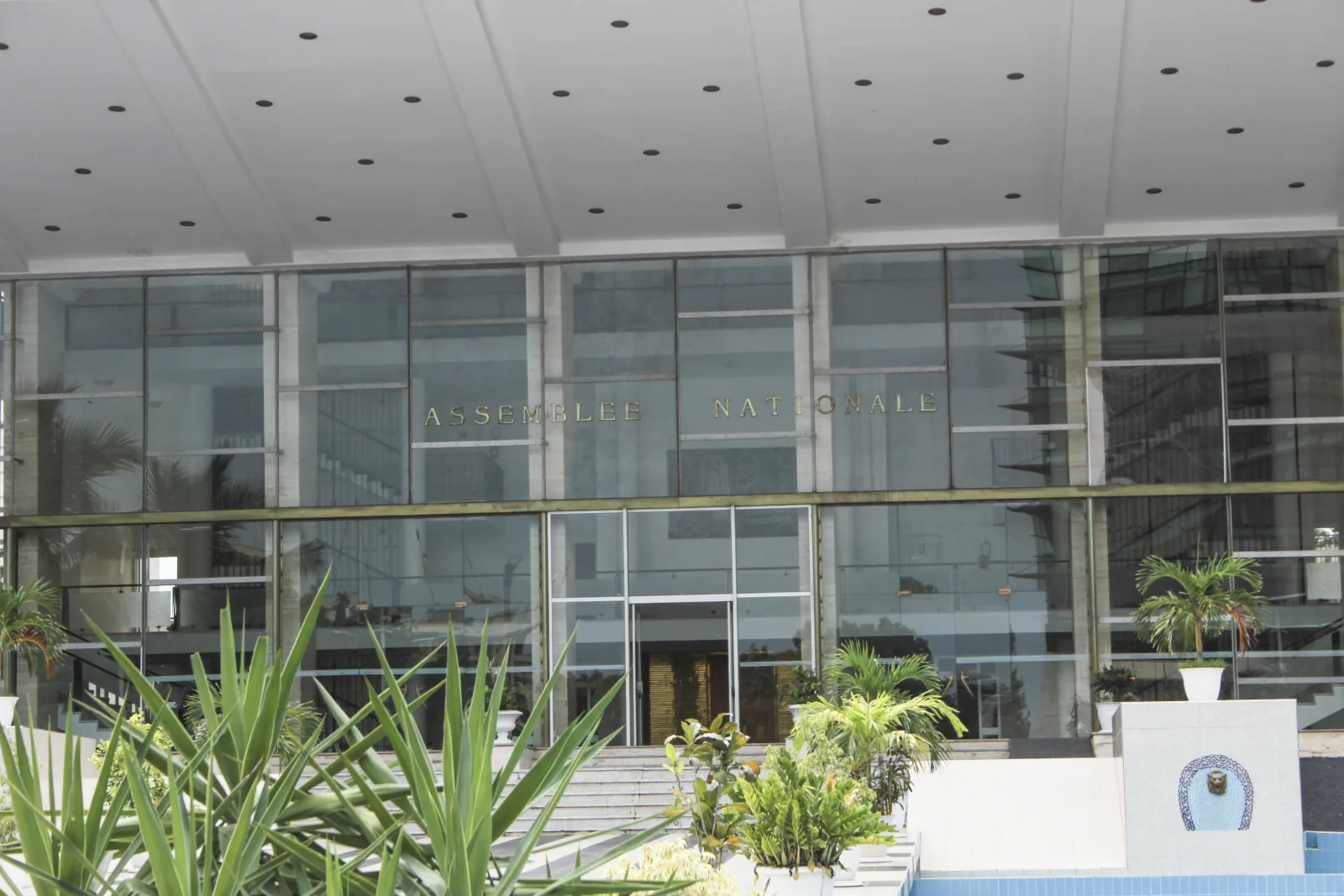
Specifically, an allocation of 13.8 billion FCFA for the GTE Sénégal financement is included in the initial 2027 finance bill project, which has already been submitted to the National Assembly. This figure for the Grand Transfert d'Eau Sénégal budget 2027 is subject to potential increases, depending on the project's advancement. The initial 20 billion FCFA earmarked for the launch of indemnifications in the 2026 rectifying budget project was indeed withdrawn, but this action does not signify that the projet Grand Transfert d'Eau abandonné.
Legislative Process and Indemnification Delays
The decision to defer the indemnification funds stems from the fact that the crucial preliminary steps, such as the census of affected individuals and the comprehensive evaluation of indemnifications, have not yet commenced. The Ministère Économie Finances Plan Sénégal GTE explained that these preparatory phases are essential before any disbursements can be made, necessitating the reallocation of the 2026 funds.
Further underscoring the dynamic nature of the legislative process, the 2026 rectifying budget project faced rejection in commission on October 23. Its examination in plenary session is scheduled for October 27 at 10 AM. This procedural step highlights the ongoing scrutiny of public spending, even as the loi de finances initiale 2027 Sénégal moves forward with its allocation for the GTE.
Strategic Importance of the Grand Transfert d'Eau
The Grand Transfert d'Eau project is a cornerstone of Senegal's long-term strategy for water resource management, designed to address the critical water needs of several key regions across the country. These areas include Louga, Thiès, Dakar, and Diourbel, with a particular focus on supplying the city of Touba. The Prime Minister's office has outlined plans for a secondary branch specifically dedicated to Touba, which will be connected near Pékesse.
This initiative is part of a broader vision for modern and sovereign gestion eau Sénégal. In July 2026, the Minister of Hydraulics and Sanitation, Cheikh Tidiane Dieye, represented President Bassirou Diomaye Faye at the African Water Forum in N'Djamena. During this forum, Minister Dieye presented Senegal's comprehensive approach to water governance, emphasizing the National Water Pact as a framework for sustainable and equitable water access.
Implications for Stakeholders and Future Development
The confirmed progression of the Grand Transfert d'Eau project carries significant implications for various stakeholders. Lawyers advising on infrastructure projects, land acquisition, or environmental impact in Senegal should note that the Grand Transfert d'Eau (GTE) project is confirmed to proceed with 2027 funding, despite previous budget reallocations. This ongoing commitment signals continued opportunities and challenges in these legal domains.
For those representing populations potentially affected by the GTE, it is crucial to closely monitor the imminent census and evaluation phases. These stages are not merely administrative formalities but are critical for establishing the basis for future indemnisation Grand Transfert d'Eau processes, ensuring fair compensation and mitigating potential disputes. The project's sustained funding underscores its importance to national development and resource security.
Practical Implications
Lawyers advising on infrastructure projects, land acquisition, or environmental impact in Senegal should note that the Grand Transfert d'Eau (GTE) project is confirmed to proceed with 2027 funding, despite previous budget reallocations. Those representing populations potentially affected by the project should monitor the imminent census and evaluation phases, as these are critical for future indemnification processes.
Source
How does this affect you?
Get an AI analysis of this article grounded in your jurisdictions, practice areas, and any policy documents you've uploaded to Wansom.
Finish Reading the Full Story and the Expert Analysis.
Get the latest legal & regulatory intelligence in Senegal
Wansom is AI and can make mistakes.