
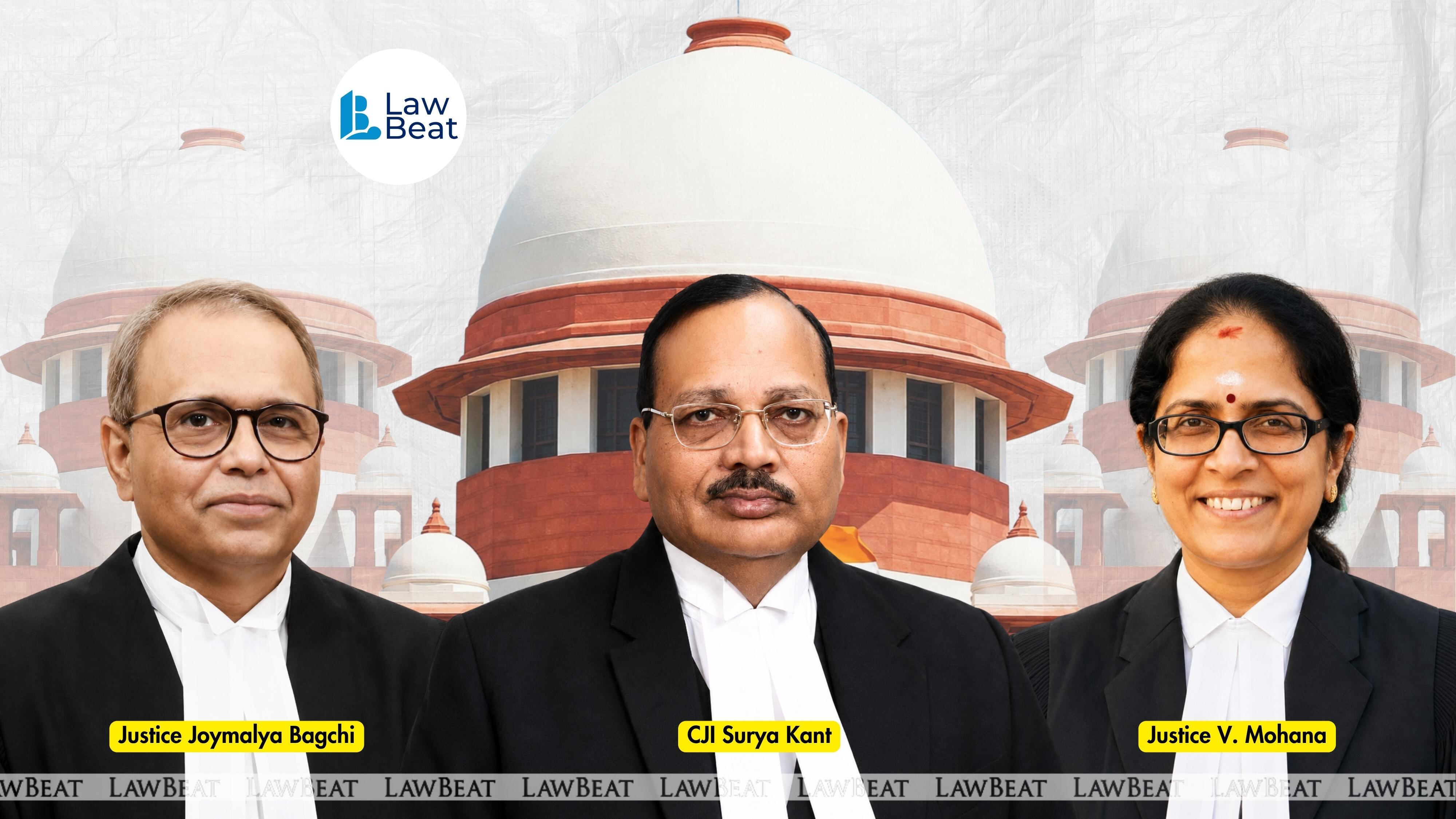
Supreme Court India: Approves Sexual Assault Medical Treatment Guidelines
Summary
- The Supreme Court of India has approved guidelines for timely medical treatment and police response in sexual assault cases.
- This decision follows a Ghaziabad child rape and murder case where a Special Investigation Team (SIT) found serious negligence by two hospitals and police.
- Senior Advocate N. Hariharan, as amicus curiae, highlighted that timely medical intervention could have saved the four-year-old victim's life.
- The Court noted a significant gap between existing laws and their on-ground implementation, calling for police sensitization programs.
- Two hospitals, including St. Joseph Mariam Hospital, Ghaziabad, voluntarily paid a total of ₹12 lakh to the victim's family.
What Prompted Judicial Intervention
The Supreme Court's approved guidelines are redefining standards of care for sexual assault victims, particularly concerning timely medical intervention and police response.
The Supreme Court of India has approved comprehensive guidelines for the provision of timely medical treatment and appropriate police response in cases of sexual assault. This significant development arises from the Court's ongoing review of a harrowing Ghaziabad child rape and murder case, which brought to light severe lapses in victim care. A bench comprising Chief Justice of India Surya Kant, alongside Justices Joymalya Bagchi and V Mohana, has been overseeing the matter, having previously constituted a Special Investigation Team (SIT) to probe the incident.
The Court's initial concern stemmed from allegations of systemic failures by Uttar Pradesh authorities and the outright refusal of two private medical facilities to provide prompt care to the four-year-old victim. During recent proceedings, the Supreme Court recorded that the two hospitals involved voluntarily agreed to pay a total of ₹12 lakh to the victim's family. St. Joseph Mariam Hospital, Ghaziabad, committed ₹10 lakh, while the second unnamed institution offered ₹2 lakh, with the Court directing these amounts be paid via demand drafts within four weeks, explicitly noting them as voluntary contributions rather than compensation due to pending criminal proceedings.
Unveiling Negligence and Systemic Gaps
Senior Advocate N. Hariharan, serving as amicus curiae in the case, presented the SIT report, which detailed serious medical negligence. Hariharan informed the Court that the first hospital, despite possessing the necessary facilities, failed to summon required specialists and instead referred the critically injured child elsewhere. Similarly, the second hospital, a multi-speciality institution equipped with adequate resources, also reportedly failed to administer treatment. The amicus curiae forcefully argued that immediate medical intervention could have potentially saved the child's life, describing the hospitals' explanations as "wholly unacceptable."
Beyond the medical failures, Hariharan also highlighted significant shortcomings in the police response. He contended that the victim's family's initial complaint was not accurately documented, and the overall insensitive handling of the case by law enforcement further exacerbated the trauma endured by the victims. The Supreme Court bench concurred with the assessment that this particular case was indicative of a broader systemic issue, noting a substantial disparity between the legal framework as enacted and its practical implementation on the ground.
Judicial Directives and Future Standards
In response to these findings, the Supreme Court emphasized the necessity for police academies to implement orientation and sensitization programs aimed at improving the handling of cases involving victims of sexual offenses. Hariharan further pressed the Court to issue extensive directives to medical institutions, stressing that hospitals must not only immediately report such incidents but also provide emergency treatment without any delay. The bench acknowledged the need for "positive directions" and invited the amicus curiae to submit suggestions on how to bridge the identified gap between existing statutory provisions and their effective execution.
Justice Joymalya Bagchi underscored the critical importance of timely medical intervention, observing that it significantly enhances survival rates in various critical scenarios, including burn injuries. Hariharan drew a stark comparison, noting that while heart attack victims benefit from a "golden hour" for treatment, the four-year-old in the Ghaziabad case remained without effective medical care for nearly five hours following severe injuries. These observations reinforce the Court's commitment to establishing robust SC guidelines for sexual assault medical treatment in India.
Redefining Accountability in Victim Care
The Supreme Court's approved guidelines are redefining standards of care for sexual assault victims, particularly concerning timely medical intervention and police response. This initiative will likely introduce stricter protocols for healthcare providers, impacting hospital liability in sexual assault cases and mandating immediate, comprehensive treatment. For legal professionals, these approved Supreme Court sexual assault victim care directives necessitate a thorough understanding of new reporting obligations and potential liabilities for both medical institutions and law enforcement agencies.
The emphasis on police response sexual assault guidelines, including enhanced training and accurate complaint recording, aims to mitigate the secondary trauma often experienced by victims. This move by the Supreme Court signifies a critical step towards ensuring that the law is not only robust on paper but also effectively implemented to protect and provide justice for survivors of sexual assault across India, addressing the Ghaziabad child rape medical negligence and similar incidents nationwide.
Practical Implications
Lawyers should anticipate new Supreme Court guidelines impacting medical treatment and police response in sexual assault cases, which will redefine standards of care, reporting obligations, and potential liabilities for healthcare providers and law enforcement. Compliance officers in hospitals must prepare for stricter protocols and training requirements to avoid negligence claims and regulatory penalties, particularly concerning emergency treatment and accurate reporting of such incidents.
Source
How does this affect your business?
Get an AI analysis of this article grounded in your jurisdictions, practice areas, and any policy documents you've uploaded to Wansom.
Wansom is AI and can make mistakes.