
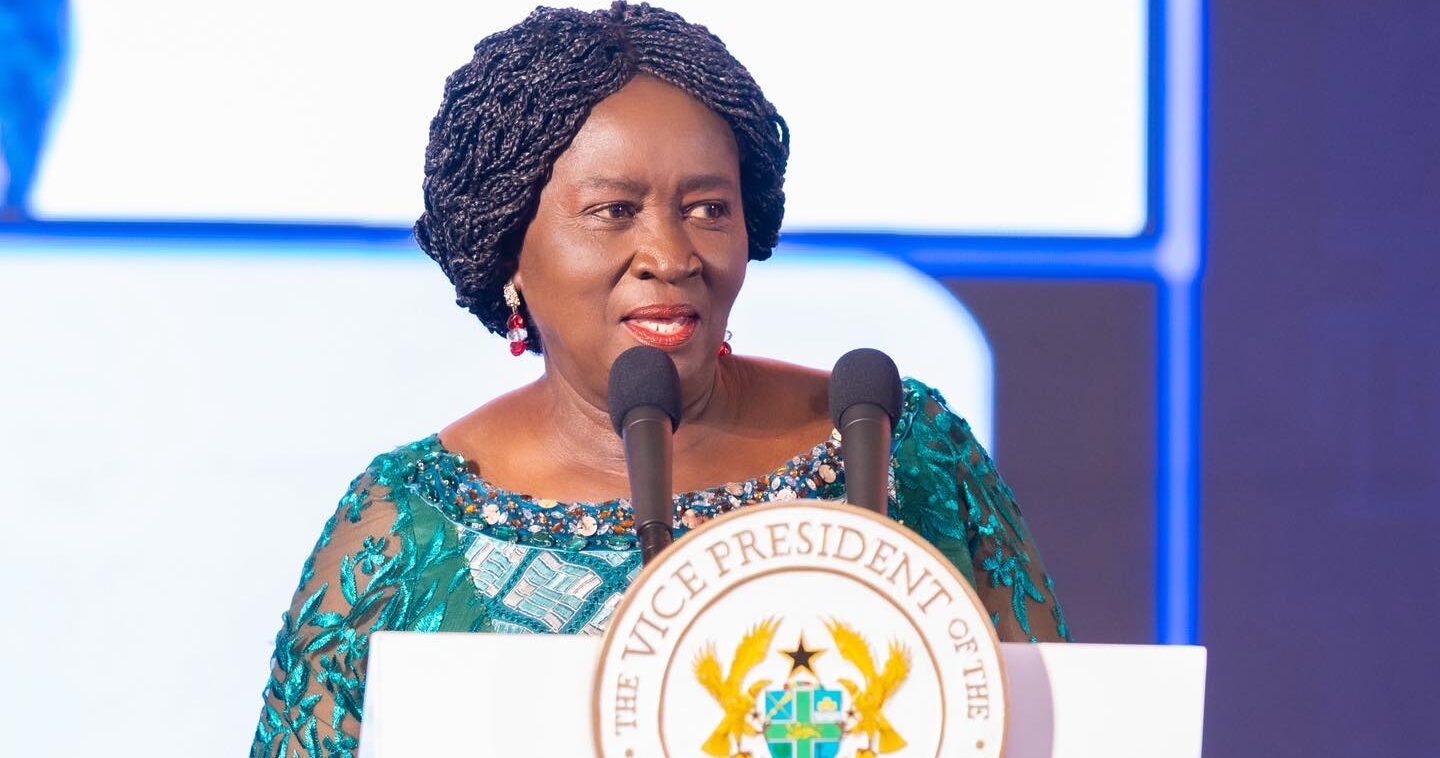
Ghana Vice President Affirms Reparatory Justice Responsibility
Summary
- Ghana's Vice President, Professor Naana Jane Opoku-Agyemang, stated that recognizing reparatory justice creates a profound responsibility for the nation.
- Her comments followed the March 25 adoption of UN General Assembly Resolution 82/50, which Ghana spearheaded with international support.
- The resolution officially recognizes the trafficking and enslavement of Africans as the "gravest crime against humanity."
- Professor Opoku-Agyemang emphasized that this recognition necessitates sustained action, including strengthening ties with the African diaspora through historical, cultural, and economic links.
- Ghana plans to deepen its engagement with the diaspora, moving beyond remembrance to sustained cooperation in areas like education, preservation, restitution, and legal pathways.
Ghana's Commitment to Reparatory Justice
Ghana's Vice President, Professor Naana Jane Opoku-Agyemang, recently underscored the nation's profound responsibility stemming from the global recognition of reparatory justice for historical injustices.
Ghana's Vice President, Professor Naana Jane Opoku-Agyemang, recently underscored the nation's profound responsibility stemming from the global recognition of reparatory justice for historical injustices. Speaking in Accra, Professor Opoku-Agyemang affirmed that the United Nations' designation of the trafficking and enslavement of Africans as the "gravest crime against humanity" mandates sustained action. This declaration signals Ghana's intent to deepen its engagement with the African diaspora as a crucial component of advancing the worldwide campaign for reparatory justice.
Professor Opoku-Agyemang emphasized that this acknowledgment must translate into concrete steps, including the cultivation of stronger historical, cultural, and economic ties between Africa and its diaspora. She articulated Ghana's ongoing commitment to reinforcing the relationship between the continent and its people abroad through enhanced historical understanding, diverse cultural exchanges, strategic investments, and continuous engagement. This proactive stance highlights Ghana's leadership in advocating for meaningful reparations.
Elevating the Global Dialogue on Reparations
The Vice President's remarks followed the significant adoption of UN General Assembly Resolution 82/50 on March 25. This landmark resolution was the culmination of concerted efforts led by Ghana, with substantial backing from the African Union, Caribbean partners, and the broader international community. Professor Opoku-Agyemang noted that the resolution has provided greater clarity to the historical record, effectively elevating the critical issue of reparatory justice to the highest echelons of international deliberation.
This development builds upon earlier discussions held at the Next Steps Consultative Conference on Reparatory Justice, convened by President John Dramani Mahama in Accra in June. That conference focused on the practical implications following the historic UN recognition, with discussions encompassing education, preservation, restitution, the establishment of clear reparatory justice legal pathways, and sustained international engagement. The collective focus underscores a growing international consensus on addressing historical wrongs.
Navigating Complexity Towards Action
While acknowledging the inherent complexities of the path toward achieving reparatory justice, Professor Naana Jane Opoku-Agyemang firmly stated that such challenges should not impede progress. She recognized that there will inevitably be differing perspectives regarding the precise form justice should take and how responsibility should be allocated. However, she cautioned against allowing these disagreements to delay necessary action, asserting that complexity is not a valid excuse for inaction.
The Vice President also clarified the limitations of the UN resolution itself, noting that it cannot restore lives lost or return generations separated by the slave trade. Nevertheless, she stressed that the declaration provides a vital shared foundation for the subsequent stages of the reparatory justice campaign. Ghana's future engagement with the African diaspora, therefore, must extend beyond mere remembrance, evolving into sustained cooperation across various sectors that strengthen both the historical and contemporary relationship between Africa and its global community.
Practical Implications
Lawyers and compliance officers should monitor Ghana's legislative and policy developments regarding reparatory justice, particularly any proposed legal frameworks or international initiatives stemming from UN Resolution 82/50, as these could create new legal obligations, claims, or compliance requirements related to historical injustices.
Source
How does this affect you?
Get an AI analysis of this article grounded in your jurisdictions, practice areas, and any policy documents you've uploaded to Wansom.
Finish Reading the Full Story and the Expert Analysis.
Wansom is AI and can make mistakes.