
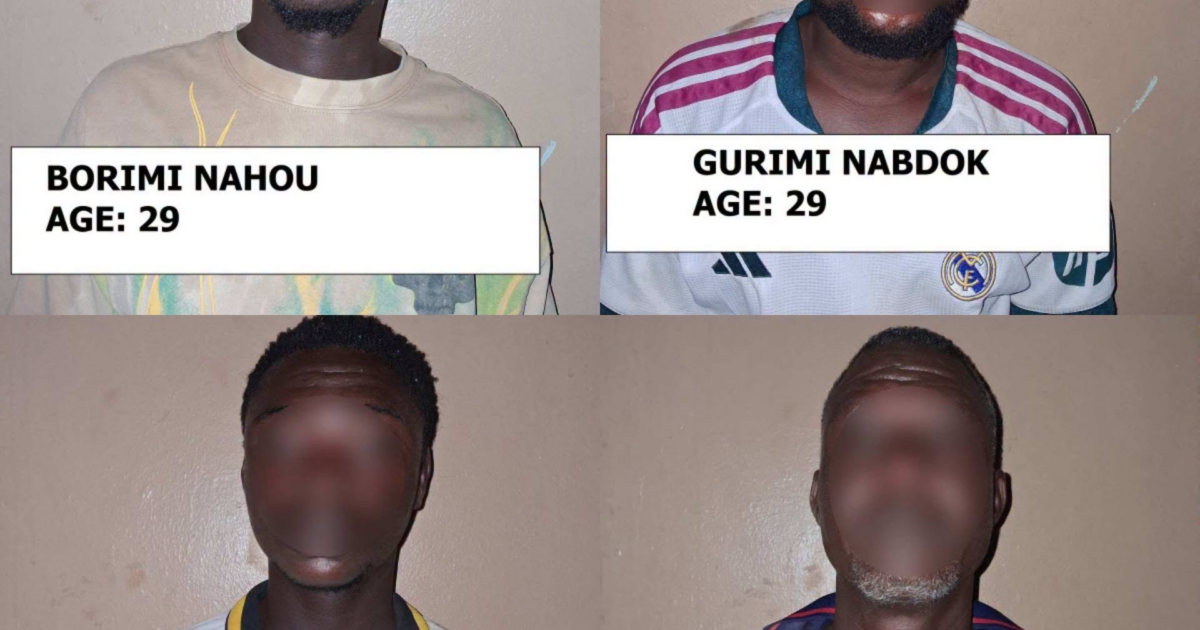
Ghana Upper East Police: 14 Arrested in Narcotics Cultivation Raids
Summary
- 14 suspects were arrested in Ghana's Upper East Region on August 16 for alleged narcotics cultivation, storage, and distribution.
- The operation, led by the Police Intelligence Directorate and the Black Cobra Team, targeted activities in Daliga, Nabdam District.
- A large quantity of suspected narcotic substances, specifically Indian hemp, was found concealed in sacks of millet and maize.
- Investigators believe the arrested individuals are part of a larger drug supply network operating across the Upper East Region.
- The suspects remain in police custody and are expected to be arraigned in court as investigations continue.
Major Narcotics Bust in Ghana's Upper East
The discovery of narcotics, specifically suspected Indian hemp, being cultivated alongside food crops such as millet and maize, marks a concerning evolution in drug production methods within the Upper East Region.
The Upper East Regional Police Command recently executed a significant anti-narcotics operation, leading to the **Ghana Upper East narcotics cultivation arrests** of 14 individuals. This intelligence-led raid, which took place on Sunday, August 16, targeted suspected drug cultivation, storage, and distribution activities in Daliga, located within the Nabdam District. The operation was a joint effort between the Police Intelligence Directorate (PID) and the newly formed Upper East Police Black Cobra Team, underscoring a strategic shift towards more coordinated enforcement.
Authorities issued a statement on Monday, August 17, confirming the arrests and detailing the findings of the operation. During searches, law enforcement officers discovered a substantial quantity of suspected narcotic substances. A key aspect of the illicit operation uncovered was the sophisticated method of concealment: the drugs were found hidden within sacks containing common food crops like millet and maize.
Preliminary investigations suggest that suspected Indian hemp was being grown alongside these staple food crops. This method was reportedly employed to camouflage the illicit farms, making them significantly harder for law enforcement to identify and dismantle. The individuals apprehended are believed to be part of a larger supply network, facilitating the provision of narcotic drugs to peddlers operating across various parts of the Upper East Region, highlighting the scope of the **Daliga Nabdam drug trafficking arrests**.
Intensified Anti-Narcotics Enforcement Strategy
These recent **Ghana Upper East narcotics cultivation arrests** are a direct outcome of the Upper East Regional Police Command's intensified efforts to disrupt the entire chain of illicit drug activities, from cultivation to supply and distribution, within the region. The involvement of specialized units like the PID and the Black Cobra Team signals a robust, intelligence-driven approach aimed at systematically identifying and dismantling suspected narcotics networks. This strategy represents a significant escalation in **Ghana anti-narcotics enforcement**.
Investigators currently suspect that the 14 arrested individuals constitute a crucial component of a broader drug distribution network, supplying narcotics to various peddlers throughout the Upper East Region. The suspects are presently held in police custody as investigations continue to unfold. Following the ongoing inquiries, the police have stated their intention to present the suspects before a court of law to face appropriate charges, ensuring they are held accountable under the full rigors of the legal system.
The police command has also extended an appeal to the public, urging residents to come forward with any information that could aid law enforcement agencies. Such public cooperation is deemed vital in identifying other individuals involved in the cultivation, trafficking, and distribution of narcotic drugs, further strengthening the region's capacity to combat this pervasive issue. This collaborative approach is central to the broader strategy against drug-related crime.
Implications of Evolving Drug Cultivation Tactics
The discovery of narcotics, specifically suspected Indian hemp, being cultivated alongside food crops such as millet and maize, marks a concerning evolution in drug production methods within the Upper East Region. This sophisticated concealment strategy poses a significant challenge for law enforcement, as it leverages legitimate agricultural practices to mask illegal operations. The **Ghana Indian hemp cultivation operation** uncovered demonstrates a calculated effort by criminal elements to evade detection, making the task of identifying illicit farms considerably more complex.
The police's proactive, intelligence-led operations, exemplified by the recent arrests, are crucial in adapting to these evolving tactics. By focusing on intelligence gathering and deploying specialized teams like the Black Cobra Team, authorities aim to stay ahead of criminal enterprises that increasingly integrate their illicit activities with everyday life. This ongoing battle against drug networks underscores the persistent threat posed by organized crime in the region and the necessity for continuous vigilance and innovative enforcement strategies.
The arrests, which saw 14 individuals taken into custody, with 13 names publicly released by the police (Alex Nyaaba, Charles Keleg Dombil, Zimi Pandam, Jennifer Ziini, Tobirr Naab, Yinteng James, Tosil Wandabil, Sandanane Peehim, Borimi Nohoo, Curim Teng, Curim Kugri, Nohou Dagobila, and Abane Zangbeog), highlight the tangible results of this intensified enforcement. While the discrepancy in the number of arrested individuals versus named suspects was noted in the police statement, the overall message is clear: authorities are committed to dismantling drug operations, including those forming part of the **Ghana drug distribution network arrests**, and are calling on community support to achieve this goal.
Practical Implications
Lawyers advising clients in the agricultural sector or those with business interests in Ghana's Upper East Region should note the intensified, intelligence-led police operations targeting narcotics cultivation and distribution, particularly the use of food crops for concealment. This signals a heightened enforcement risk and the need for enhanced due diligence to avoid association with illicit activities or supply chains.
Source
How does this affect you?
Get an AI analysis of this article grounded in your jurisdictions, practice areas, and any policy documents you've uploaded to Wansom.
Wansom is AI and can make mistakes.