
Ghana: UN Reparatory Justice Progress Advances Global Restitution
Summary
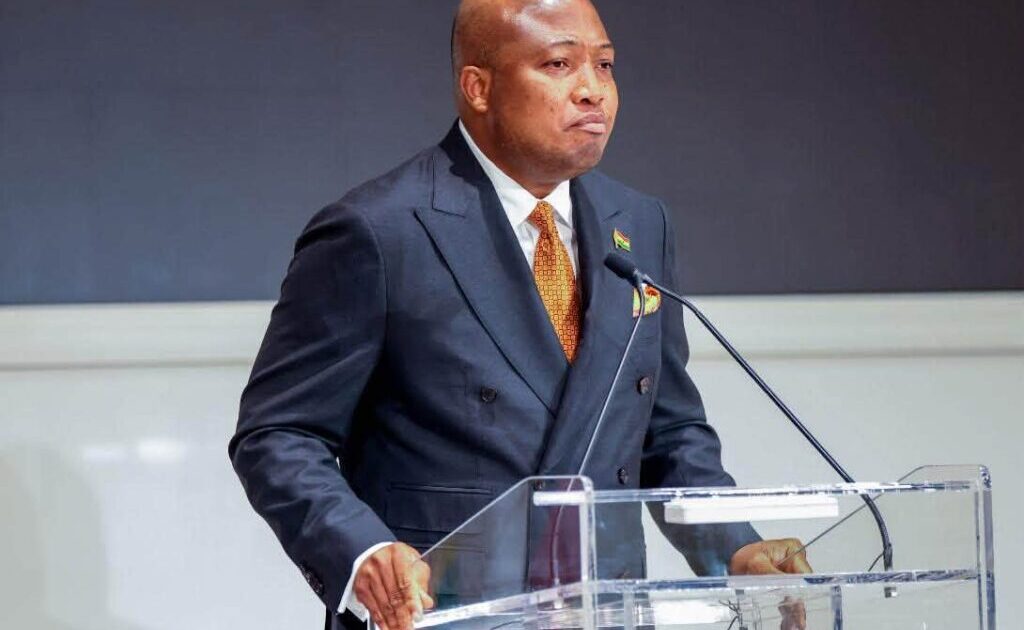
- Ghana has achieved significant progress in its reparatory justice campaign, led by Foreign Affairs Minister Samuel Okudzeto Ablakwa.
- A Ghana-led UN resolution, supported by 123 member states, declared the transatlantic slave trade the greatest crime against humanity.
- France apologized, repealed its Code Noir, and plans a joint scientific commission with Ghana to research slavery's legacy.
- Denmark apologized and pledged resources for preserving Ghana's historic forts and castles, while the Church of England committed £100 million for young African entrepreneurs. However, the implementation of this fund has faced legal challenges and delays.
- The Netherlands and Germany are prepared to return over 2,000 cultural artifacts, with the Netherlands already repatriating the head of King Badu II.
Ghana's Leadership in Global Reparations
These developments collectively signal an accelerating international legal and diplomatic trend towards addressing historical injustices of the transatlantic slave trade.
Ghana has achieved notable advancements in its pursuit of reparatory justice, spearheaded by Foreign Affairs Minister Samuel Okudzeto Ablakwa. A pivotal moment in this campaign was the successful adoption of a United Nations resolution, initiated by Ghana, which formally recognized the transatlantic slave trade as the most egregious crime against humanity. This resolution garnered substantial international backing, with 123 UN member states endorsing its declaration, thereby establishing a significant global impetus for restitution, formal apologies, and other measures aimed at rectifying the profound historical injustices stemming from slavery.
The momentum behind this initiative is largely attributed to the leadership of President John Dramani Mahama, who holds the distinguished role of African Union Champion for Reparatory Justice. Ghana's strategic diplomatic efforts during the 81st session of the UN General Assembly in New York were instrumental. While engaging in discussions on diverse topics such as railway development, artificial intelligence governance, agriculture, and trade expansion, Ghana consistently prioritized its agenda for reparatory justice. A dedicated side event organized by Ghana specifically on this issue attracted considerable international support, notably from several European nations that had previously abstained from the UN resolution, signaling a growing consensus on the need for historical accountability.
Tangible Steps Towards Atonement
Beyond the landmark UN resolution, Ghana is already witnessing concrete progress in its advocacy for reparations. French President Emmanuel Macron has issued an apology, and France has taken the significant step of repealing its historical Code Noir, a decree that once regulated slavery in its colonies. Furthermore, plans are underway for the establishment of a joint scientific commission in Accra, Ghana, dedicated to conducting in-depth research into the history and enduring legacy of slavery. These actions underscore a growing willingness among former colonial powers to confront their past.
Denmark has also offered an apology and committed financial resources towards the preservation of Ghana's historic forts and castles. These sites, including those in Keta, Shama, and the Awutu Senya area, are recognized as crucial educational landmarks for understanding the transatlantic slave trade. Their current state of deterioration makes this renewed international interest in their upkeep particularly timely. In a broader acknowledgment of historical complicity, Pope Leo XIV has apologized, and a previous Archbishop of Canterbury, Justin Welby, also apologized for the role religious institutions played in legitimizing slavery. The current Archbishop of Canterbury, Sarah Mullally, has reaffirmed the Church of England's commitment to addressing this legacy. The Church of England has further pledged a substantial £100 million fund, earmarked to support young African entrepreneurs and scholars. However, the implementation of this fund has faced legal challenges and delays, extending beyond its initially planned launch date of 2024.
Advancements in Cultural Artefact Repatriation
A significant aspect of the reparatory justice agenda involves the return of cultural artefacts. Both the Netherlands and Germany have presented Ghana with extensive catalogues detailing over 2,000 cultural items that they are prepared to repatriate. This development marks a crucial step in restoring Ghana's cultural heritage. The Netherlands has already completed the return of the head of King Badu II, a revered traditional leader renowned for his resistance against enslavers.
The repatriation of King Badu II's head holds profound symbolic importance, serving as a powerful testament to the historical resistance mounted by African traditional leaders against slave raiders. This act of return not only rectifies a historical wrong but also provides an important symbol of resilience and the enduring spirit of those who fought against the transatlantic slave trade. The participation of the United States in Ghana's reparatory justice side event, while not accompanied by a formal statement, is also seen as a significant indicator of a potential shift towards greater engagement on these issues.
Evolving International Legal and Diplomatic Landscape
These developments collectively signal an accelerating international legal and diplomatic trend towards addressing historical injustices of the transatlantic slave trade. The increasing number of apologies, the commitment to financial restitution, and the systematic efforts towards cultural artefact repatriation Ghana is experiencing highlight a global shift in how historical accountability is perceived and pursued. This evolving landscape creates new precedents and frameworks for future claims and international cooperation.
The progress made by Ghana, particularly through its leadership at the United Nations, demonstrates the potential for sustained diplomatic engagement to yield tangible results in the complex domain of historical reparations. This ongoing momentum underscores the importance for legal professionals specializing in international law, cultural heritage, or human rights to closely monitor the evolving legal frameworks, potential for new claims, and international cooperation agreements related to reparations, artifact repatriation, and historical accountability, particularly concerning institutions with historical ties to slavery.
Practical Implications
This development signals an accelerating international legal and diplomatic trend towards addressing historical injustices of the transatlantic slave trade. Lawyers specializing in international law, cultural heritage, or human rights should monitor the evolving legal frameworks, potential for new claims, and international cooperation agreements related to reparations, artifact repatriation, and historical accountability, particularly concerning institutions with historical ties to slavery.
Source
How does this affect you?
Get an AI analysis of this article grounded in your jurisdictions, practice areas, and any policy documents you've uploaded to Wansom.
Finish Reading the Full Story and the Expert Analysis.
Get the latest legal & regulatory intelligence in Ghana
Wansom is AI and can make mistakes.