
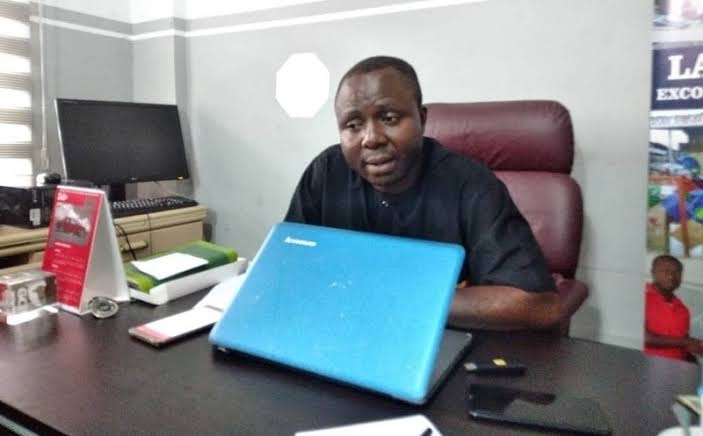
Ibrahim Oppong Kwarteng: Ghana Poverty Justice System Criticized
Summary
- Ibrahim Oppong Kwarteng, Executive Director of Crime Check Foundation Ghana, criticizes the nation's justice system.
- He argues that poverty leads to imprisonment for individuals unable to afford fines or proper legal representation.
- The Crime Check Foundation has observed this issue over more than a decade of work in Ghana's 46 prison establishments.
- Kwarteng states that the system often puts "poverty on trial" instead of delivering true justice.
- These observations highlight significant inequalities in access to justice for economically disadvantaged Ghanaians.
Systemic Flaws Highlighted
The core of Kwarteng's argument is that the justice system, in its current state, often puts poverty itself on trial rather than focusing solely on the merits of a case.
Ibrahim Oppong Kwarteng, the Executive Director of the Crime Check Foundation Ghana, has issued a significant critique of the nation's judicial framework, asserting that economic hardship is a primary driver behind the incarceration of individuals. His organization's extensive work has revealed a pattern where those unable to cover court-imposed fines or secure adequate legal representation frequently find themselves imprisoned. This systemic issue, according to Kwarteng, fundamentally undermines the principle of equitable justice within Ghana.
A Decade of Observation in Ghana's Prisons
For over ten years, the Crime Check Foundation Ghana has maintained an active presence within Ghana's prison establishments, specifically operating across all 46 of the country's correctional facilities. This prolonged engagement has provided the organization and its Executive Director, Ibrahim Oppong Kwarteng, with direct, firsthand insight into the daily realities faced by inmates and the broader implications of the justice system's operations. Their work has consistently brought to light numerous instances where the inability to meet financial obligations or access competent legal counsel directly resulted in imprisonment.
These experiences have led Kwarteng to conclude that what is often witnessed within the Ghanaian legal landscape is not true justice, but rather a process where an individual's economic status becomes a determining factor in their freedom. The foundation's extensive documentation from these facilities underscores a troubling pattern of Ghana legal aid imprisonment, where individuals are deprived of liberty not necessarily due to the severity of their alleged offenses, but because they lack the financial means to navigate the legal process effectively. This directly contributes to concerns about Ghana prison conditions inequality, as the indigent population disproportionately fills these institutions.
The Broader Impact of Inequality
The criticisms leveled by Ibrahim Oppong Kwarteng and the Crime Check Foundation highlight a critical challenge for Ghana's legal and social fabric: the profound impact of poverty on access to justice. The assertion that "poverty is on trial" rather than justice itself points to a fundamental flaw where economic disadvantage can dictate legal outcomes, leading to unjust detentions and exacerbating social inequalities. This situation raises serious questions about the fairness and impartiality of the judicial process for all citizens, particularly those at the lowest economic strata.
Such a scenario has significant implications for the rule of law and human rights in Ghana. When individuals are jailed simply because they cannot afford a fine or adequate defense, it erodes public trust in the justice system and perpetuates a cycle of poverty and incarceration. The foundation's findings underscore the urgent need for reforms that ensure genuine Ghana access to justice for poverty-stricken individuals, mitigating the risk of imprisonment for those who are financially vulnerable. Addressing this systemic issue is crucial for upholding the principles of fairness and equality before the law.
Practical Implications
Lawyers and compliance officers operating in Ghana should be acutely aware of the systemic challenges highlighted regarding access to justice for indigent individuals, which can lead to unjust imprisonment. This underscores the importance of pro bono initiatives, advocacy for legal aid reform, and careful consideration of human rights implications in any legal or business operations touching on the Ghanaian justice system.
Source
How does this affect you?
Get an AI analysis of this article grounded in your jurisdictions, practice areas, and any policy documents you've uploaded to Wansom.
Finish Reading the Full Story and the Expert Analysis.
Get the latest legal & regulatory intelligence in Ghana
Wansom is AI and can make mistakes.