
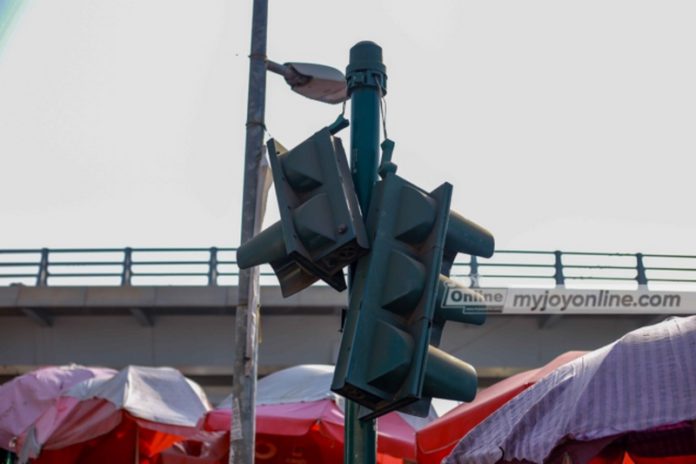
NRSA Ghana: Issues Directives for TraffiTech Enforcement
Summary
- The National Road Safety Authority (NRSA) has issued an urgent directive to road agencies in Ghana.
- The directive mandates the repair of faulty traffic lights, replacement of missing road signs, and restoration of faded road markings.
- This action is in preparation for the operational launch of Ghana's new digital traffic enforcement system, TraffiTech.
- The Ghana Highway Authority and the Department of Urban Roads are the primary recipients of this directive.
- The move aims to ensure road infrastructure supports the effective and fair implementation of digital enforcement.
What's Happening on Ghana's Roads
Lawyers should anticipate a significant increase in traffic violation cases as the automated system begins to identify infractions that might have previously gone unrecorded.
The National Road Safety Authority (NRSA) has issued an urgent directive to key road management bodies in Ghana, mandating immediate action on critical infrastructure. This directive specifically targets the Ghana Highway Authority and the Department of Urban Roads, instructing them to undertake essential repairs and replacements across the nation's road network. The urgency of these tasks is underscored by the operational launch of TraffiTech, Ghana's new digital traffic enforcement system.
The core of the NRSA's mandate involves addressing several pressing issues that could impact the efficacy and fairness of the digital enforcement. The directive explicitly calls for the repair of all faulty traffic lights, which are crucial for regulating traffic flow and preventing accidents. Additionally, it requires the replacement of missing road signs, which provide vital information and warnings to drivers, and the restoration of faded road markings, essential for lane discipline and overall road safety regulations Ghana. These measures are deemed critical to prepare the country's infrastructure for the new era of Ghana TraffiTech enforcement NRSA directives.
Regulatory Imperative and Digital Enforcement
The National Road Safety Authority Ghana plays a pivotal role in ensuring the safety and efficiency of the country's transportation infrastructure. Its recent directive highlights a proactive approach to align physical road conditions with the capabilities of the new TraffiTech digital enforcement system. The introduction of this advanced system signifies a shift towards more stringent and automated monitoring of traffic violations, making the accuracy and visibility of road signs, markings, and traffic signals paramount.
Effective Ghana traffic light enforcement, along with adherence to road signs and markings, relies heavily on their clear visibility and functionality. With the TraffiTech system now online, any deficiencies in these areas could lead to erroneous citations or create hazardous driving conditions, undermining the very purpose of enhanced enforcement. Therefore, the Ghana Highway Authority road repairs and the Department of Urban Roads compliance with these directives are not just about maintenance, but about ensuring the integrity and public acceptance of the new digital enforcement regime.
Heightened Scrutiny and Legal Ramifications
The commencement of the TraffiTech digital enforcement system, coupled with the NRSA's urgent directives, signals a period of heightened scrutiny for all road users in Ghana. Lawyers should anticipate a significant increase in traffic violation cases as the automated system begins to identify infractions that might have previously gone unrecorded. This shift will necessitate a deeper understanding of the new enforcement mechanisms and the legal frameworks surrounding them.
For businesses operating in the logistics and transportation sectors, the implications are particularly pronounced. Compliance officers must ensure that their drivers are thoroughly aware of the intensified enforcement environment and that all company vehicles meet stringent road safety standards. Proactive measures, such as regular vehicle inspections and driver training on road safety regulations Ghana, will be crucial to mitigate potential liabilities arising from violations detected by the TraffiTech system. The directive for Ghana Highway Authority road repairs and Department of Urban Roads compliance underscores the collective responsibility in ensuring a safer and more compliant road network.
Practical Implications
Lawyers should anticipate an increase in traffic violation cases due to the new TraffiTech enforcement system. Compliance officers in logistics and transportation sectors must ensure drivers are aware of heightened enforcement and that company vehicles meet road safety standards to mitigate potential liabilities.
Source
Source: Original reporting via GhanaWeb
How does this affect you?
Get an AI analysis of this article grounded in your jurisdictions, practice areas, and any policy documents you've uploaded to Wansom.
Wansom is AI and can make mistakes.