
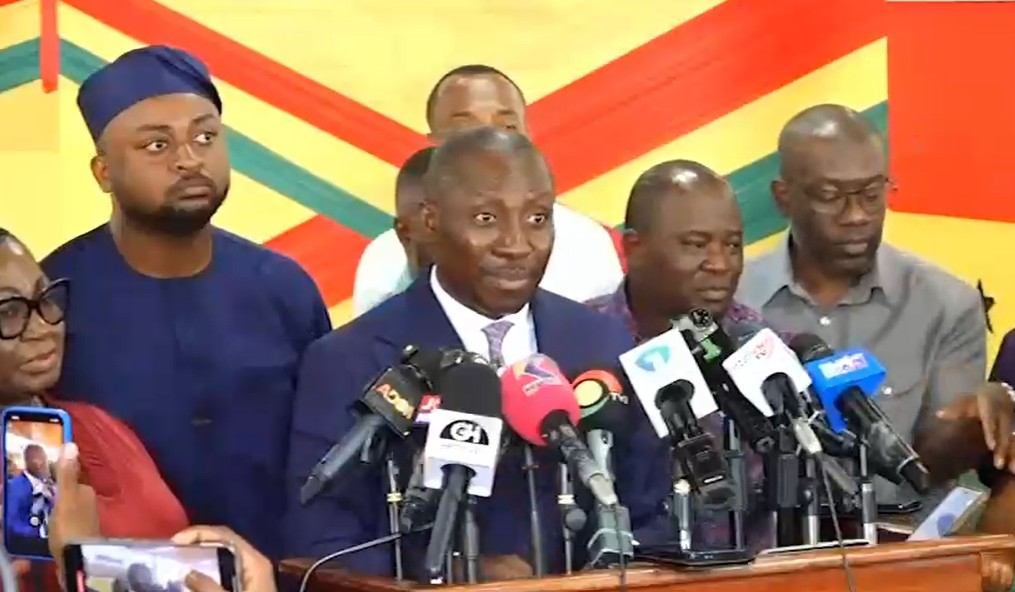
Ghana Parliament: Minority Stages Supreme Court Nominees Vetting Walkout
Summary
- The Minority Caucus in Parliament staged a walkout from the Appointments Committee on Thursday during the vetting of three Supreme Court nominees.
- The walkout followed a prolonged objection by Minority Leader Alexander Afenyo-Markin, who argued the vetting process was being rushed.
- This action has escalated an existing standoff regarding the timetable for considering the judicial nominations.
- The parliamentary disagreement could lead to delays in critical judicial appointments, affecting the Supreme Court's capacity.
- The incident highlights ongoing tensions in the legislative oversight of Ghana's judicial appointments.
Parliamentary Standoff Over Judicial Appointments
Lawyers should monitor the resolution of this parliamentary standoff as it could delay critical judicial appointments, potentially impacting the Supreme Court's capacity and the timely adjudication of cases.
A significant parliamentary development unfolded on Thursday when the Minority Caucus initiated a walkout from the Appointments Committee's proceedings. This action occurred during the crucial Ghana judicial appointments vetting process for three individuals nominated to serve on the Supreme Court. The departure from the committee room by the Minority members was not spontaneous; it followed a sustained objection articulated by Minority Leader Alexander Afenyo-Markin. His primary contention revolved around the perceived haste of the process, arguing that the consideration of these vital nominations was being unduly rushed.
This Ghana Supreme Court nominees vetting walkout immediately intensified an existing disagreement concerning the schedule for reviewing the proposed appointments, signaling a deepening divide within the legislative body over judicial confirmations. The objection raised by Alexander Afenyo-Markin, a prominent figure within the Minority, underscored concerns about the thoroughness and due diligence afforded to candidates for the nation's highest court. Such a protest, culminating in a Ghana Appointments Committee walkout, highlights the rigorous scrutiny expected during the confirmation of Supreme Court justice nominees Ghana. The parliamentary standoff, now exacerbated by the Minority's withdrawal, centers on the appropriate pace and depth of examination required to ensure suitable individuals are appointed to the judiciary, a process fundamental to upholding the rule of law.
Context of Judicial Appointments Vetting
The Appointments Committee plays a pivotal role in Ghana's constitutional framework, tasked with scrutinizing nominees for high office, including those destined for the Supreme Court. The Ghana judicial appointments vetting process is designed to ensure that candidates possess the requisite qualifications, integrity, and judicial temperament for such critical roles. This parliamentary oversight is a cornerstone of democratic governance, providing a check on executive power and ensuring public confidence in the judiciary.
The timetable for considering Supreme Court justice nominees Ghana is often a point of contention, as both the executive's need to fill vacancies and the legislature's duty to conduct thorough vetting must be balanced. A prolonged Alexander Afenyo-Markin vetting objection, particularly one leading to a walkout, indicates a serious disagreement over whether this balance is being maintained, suggesting that the Minority believes the current schedule compromises the integrity of the vetting process.
Implications for Ghana's Judiciary
The escalation of this standoff over the vetting timetable carries significant implications for the functioning of Ghana's highest court. Delays in confirming critical judicial appointments can leave vacancies on the Supreme Court, potentially impacting its full operational capacity. A reduced complement of justices could, in turn, affect the timely adjudication of cases, particularly those of national importance that require a full bench or specific expertise.
Lawyers should monitor the resolution of this parliamentary standoff as it could delay critical judicial appointments, potentially impacting the Supreme Court's capacity and the timely adjudication of cases. The outcome of this Ghana Supreme Court nominees vetting walkout will not only determine the fate of the three nominees but also set a precedent for future judicial confirmation processes, influencing the dynamics between the legislative and judicial branches of government.
Practical Implications
Lawyers should monitor the resolution of this parliamentary standoff as it could delay critical judicial appointments, potentially impacting the Supreme Court's capacity and the timely adjudication of cases.
Source
Source: Original reporting via {source}
How does this affect you?
Get an AI analysis of this article grounded in your jurisdictions, practice areas, and any policy documents you've uploaded to Wansom.
Finish this article free. Just your email for instant unlock.
Wansom is AI and can make mistakes.