
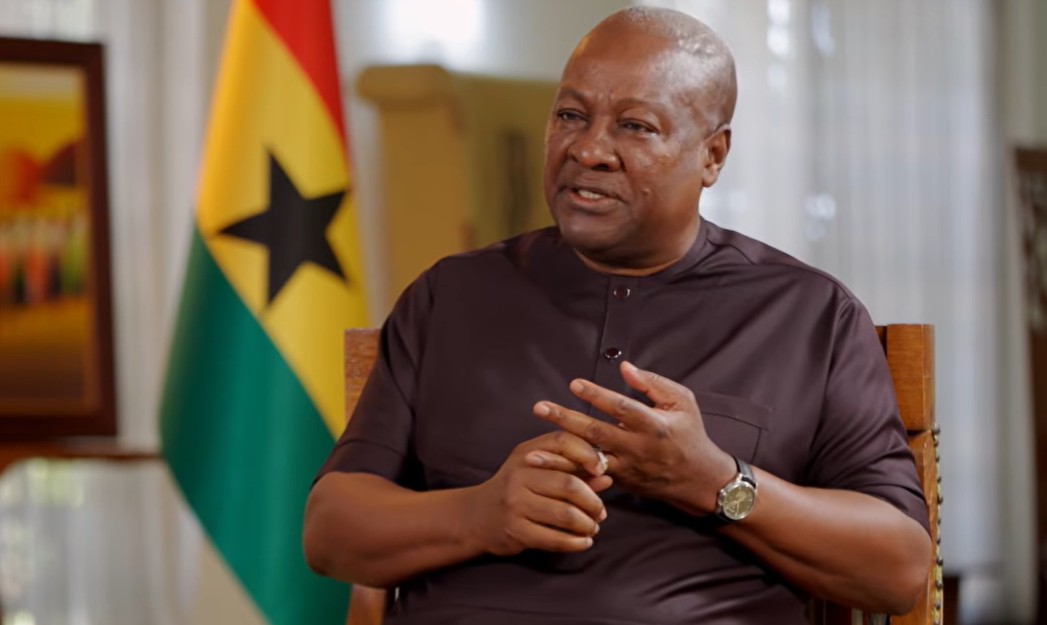
President Mahama: Ghana State Entities Audited Accounts 2025 Compliance 'Unacceptable'
Summary
- Only 61 out of 162 state entities submitted audited financial statements by the statutory deadline in 2025.
- President John Dramani Mahama described this compliance gap as unacceptable, citing persistent weaknesses in state institution oversight.
- The 2025 State Ownership Report indicated many entities submitted late or used draft accounts for reporting.
- President Mahama directed boards and management to improve compliance, ensuring timely, complete, and credible financial submissions to SIGA.
- SIGA's Director-General, Professor Michael Kpessa-Whyte, also highlighted poor compliance with governance requirements, hindering early risk identification.
Compliance Shortfalls Highlighted
No entity can credibly claim to be creating public value if it cannot substantiate its financial position with verified, audited figures.
President John Dramani Mahama recently voiced significant concerns regarding the persistent delays by Ghana's state-owned enterprises (SOEs) and other public entities in submitting their mandated audited financial statements. Speaking at an event held at the La Palm Royal Beach Hotel, President Mahama characterized the current compliance landscape as "unacceptable," particularly highlighting the 2025 figures. In that year, a mere 61 state entities managed to meet the statutory deadline for submitting their audited accounts.
This stark reality underscores what President Mahama identified as enduring weaknesses in the management and oversight structures governing state institutions. The 2025 State Ownership Report, which covered a total of 162 entities, revealed that while 108 of these entities did have their financial reports based on audited statements, only 61 actually submitted these audited accounts by the April 30 statutory deadline. A substantial number of public entities either filed their accounts considerably late or relied on management-prepared and draft accounts for the compilation of the official report, rather than fully audited figures.
Mandates for Financial Accountability
President Mahama stressed that audited financial statements are not merely administrative formalities but are fundamental instruments for ensuring effective oversight and accountability in the management of public resources. He firmly asserted that state entities cannot afford to treat financial reporting as a routine exercise. According to the President, essential governance tools such as audited accounts, performance contracts, quarterly reports, and annual general meetings are not "optional bureaucratic exercises." Instead, they serve as the foundational mechanisms through which ownership, oversight, and accountability are properly exercised within Ghana's public sector.
Further reinforcing this stance, Professor Michael Kpessa-Whyte, the Director-General of the State Interests and Governance Authority (SIGA), echoed the President's concerns. He specifically pointed to poor compliance with critical governance and accountability requirements among certain state-owned and specified entities. Professor Kpessa-Whyte noted that when entities fail to sign performance contracts or submit their quarterly reports as required, it significantly impedes the state's ability to identify potential risks early and implement necessary corrective actions in a timely manner. This highlights the critical role of SIGA public entities compliance Ghana in maintaining financial integrity.
Implications for Public Value and Oversight
The President emphasized that timely and thoroughly audited financial statements are indispensable for accurately establishing the true financial position of state institutions. He articulated that no entity can credibly claim to be creating public value if it cannot substantiate its financial position with verified, audited figures. This directive signals a heightened focus on Ghana state entities audited accounts 2025 compliance.
In response to these systemic issues, President Mahama issued a clear directive to the boards and management of all state entities. He called for a significant improvement in compliance standards, mandating that all financial information submitted to SIGA must be complete, credible, and submitted precisely on time. This push for stricter adherence to the Ghana SOE financial statements deadline reflects a broader governmental effort to enhance transparency and accountability across the public sector, ensuring that the State Ownership Report 2025 Ghana and subsequent reports are based on robust, verified data.
Practical Implications
Lawyers and compliance officers advising state-owned enterprises and public entities in Ghana should note the heightened government scrutiny on timely submission of audited financial statements. This indicates potential for stricter enforcement, new directives from SIGA, or increased liability for non-compliance with statutory reporting deadlines and performance contracts.
Source
How does this affect you?
Get an AI analysis of this article grounded in your jurisdictions, practice areas, and any policy documents you've uploaded to Wansom.
Finish Reading the Full Story and the Expert Analysis.
Get the latest legal & regulatory intelligence in Ghana
Wansom is AI and can make mistakes.