
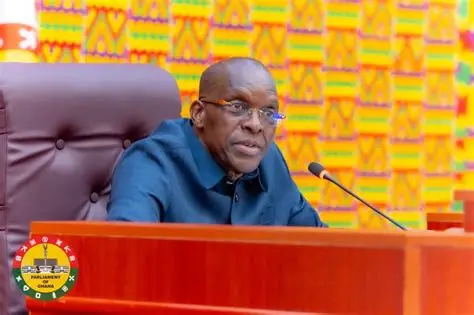
Ghana Speaker Bagbin: Orders Proactive Human Rights Committee Investigations
Summary
- Speaker Alban Bagbin has directed Ghana's Human Rights Committee to proactively investigate human rights abuses, moving beyond a reactive referral-based approach.
- This directive was issued during an emergency parliamentary sitting on Tuesday, September 29, prompted by concerns over the increasing use of insults in public life.
- Speaker Bagbin emphasized that Parliament and its committees possess inherent powers under Standing Orders to engage actively with public discourse issues and assess legal frameworks.
- He stressed the importance of protecting citizens from unlawful conduct and public officials from threats, while simultaneously safeguarding freedom of expression and avoiding the criminalization of legitimate criticism.
- The Speaker also urged Parliament to examine the conduct of its own members, acknowledging their significant influence on national discourse through various public platforms.
Speaker Directs Proactive Human Rights Investigations
The Speaker emphasized that the committee possesses the inherent authority to delve into such matters and should actively engage in safeguarding citizens' rights.
Ghana's Parliament has been urged by its Speaker, Alban Bagbin, to adopt a more assertive stance on human rights issues. During an emergency parliamentary sitting on Tuesday, September 29, Speaker Bagbin specifically instructed the Parliament’s Human Rights Committee to proactively investigate reported abuses, rather than waiting for formal referrals before initiating action. This directive marks a significant shift, empowering the committee to independently pursue inquiries into alleged human rights violations across the nation.
Speaker Bagbin emphasized that the committee possesses the inherent authority to delve into such matters and should actively engage in safeguarding citizens' rights. His call came amidst growing concerns regarding the increasing prevalence of inflammatory language in public discourse, highlighting a broader societal issue that Parliament is now expected to address with greater urgency and direct intervention. The Speaker's remarks underscore a commitment to strengthening parliamentary oversight of human rights in Ghana.
Expanding Parliamentary Powers and Responsibilities
The Speaker clarified that Parliament and its committees are mandated by their Standing Orders to actively engage with issues impacting public discourse. This includes a responsibility to assess the adequacy of existing legal and institutional frameworks governing public expression and conduct. He stressed that the law does not require the Human Rights Committee to remain passive, awaiting external referrals, but rather grants it the power to initiate investigations independently.
This interpretation of the committee's powers suggests a broader scope for parliamentary action in addressing human rights concerns. By encouraging proactive human rights investigations in Ghana, Speaker Bagbin aims to ensure that Parliament fulfills its constitutional role in protecting fundamental freedoms and holding various bodies accountable. This expanded remit could significantly alter how human rights abuses are identified and addressed at a national level, fostering greater parliamentary scrutiny.
Balancing Freedom of Expression with Accountability
In his address, Speaker Bagbin articulated a nuanced approach to regulating public discourse, advocating for measures that are both consistent with the Constitution and proportionate to the conduct in question. He cautioned against actions that might inadvertently criminalize legitimate disagreement or criticism of public officials. The Speaker underscored the imperative to protect citizens from genuinely unlawful conduct without stifling dissent, and to shield public officials from threats while preserving their susceptibility to scrutiny.
Crucially, he highlighted the foundational role of freedom of expression in democratic accountability, asserting that its preservation is paramount. This delicate balance between protecting individuals from harm and upholding fundamental liberties is central to the Speaker's vision for how Parliament should navigate the complexities of public speech and human rights.
Internal Scrutiny and Broader Impact
Speaker Bagbin also called for Parliament to undertake an internal examination of its own members' conduct. He argued that Parliament cannot credibly demand higher standards of public discourse from journalists, broadcasters, bloggers, content creators, and other citizens if it does not hold its own members to similar ethical benchmarks. This call for self-reflection underscores the institution's recognition of its significant influence on national conversations.
The Speaker noted that the words spoken within the parliamentary chamber, the proceedings of committees, and the public engagements of Members of Parliament—including press conferences, interviews, public meetings, and social media activities—all contribute substantially to shaping public discourse across Ghana and beyond. Given Parliament's prominent position within the country's governance structure, its members bear a profound responsibility to consider the impact of their words and actions on the broader public sphere, making the Ghana Speaker Bagbin human rights committee investigation a critical development for accountability.
Practical Implications
This directive from the Speaker empowers Ghana's Human Rights Committee to proactively investigate abuses, potentially leading to increased parliamentary scrutiny and new avenues for addressing human rights concerns. Lawyers should be aware of this expanded scope for parliamentary action, which could impact advocacy strategies and client advice regarding public discourse and potential inquiries.
Source
How does this affect you?
Get an AI analysis of this article grounded in your jurisdictions, practice areas, and any policy documents you've uploaded to Wansom.
Finish Reading the Full Story and the Expert Analysis.
Get the latest legal & regulatory intelligence in Ghana
Wansom is AI and can make mistakes.