
Ghana Police Warning Okuapem Mount Sinai Students: Face Prosecution for Violence
Summary
- Eastern Regional Police Commander DCOP Owusu-Bempah warned Okuapem and Mount Sinai students against violence, mob action, and attacking police.
- Police will identify and prosecute "ringleaders" of violent acts, stating student numbers will not offer protection from legal action.
- Attacking police officers, including throwing stones, is explicitly a criminal offense under Ghanaian law.
- Students are urged to report plans for trouble to headmasters and channel rivalry into positive competition, such as academics or sports.
- Violent conduct can lead to students being treated as "common criminals" and create a lasting negative reputation for individuals and schools.
Police Issue Stern Warning to Ghana Students
The police's intent is to treat identified ringleaders of violent acts as 'common criminals,' ensuring that deliberate violations of the law are met with appropriate legal responses.
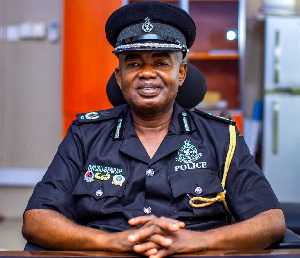
On September 3, Eastern Regional Police Commander DCOP Owusu-Bempah delivered a strong caution to students from Okuapem Senior High School and Mount Sinai Senior High School. His address specifically targeted behaviors such as engaging in violence, participating in mob actions, and launching attacks against law enforcement personnel. The commander underscored that while it is impractical to apprehend an entire student body, authorities possess the capability to identify and pursue those who instigate or lead such disruptive activities.
DCOP Owusu-Bempah emphasized that students bear a personal responsibility for upholding discipline within their institutions. He noted that school administrations often face challenges managing large student populations independently, making individual accountability crucial. He explicitly warned that students involved in group violence or deliberate legal infractions should not expect their sheer numbers to shield them from identification and subsequent prosecution. The police's focus remains on pinpointing the organizers and leaders of violent acts, rather than indiscriminately arresting all participants.
This clear message from the Ghana Police warning Okuapem Mount Sinai students signals a firm stance against unrest. The commander reiterated that individuals found to be orchestrating or leading violent confrontations would face legal action. He stressed that the police would not overlook any intentional breaches of the law, regardless of the perpetrators' student status.
Criminal Liabilities for Student Violence
The Eastern Regional Police Commander outlined several specific actions that would lead to severe legal repercussions. He expressed particular concern over reports of students pelting police officers with stones during incidents at the schools. DCOP Owusu-Bempah unequivocally stated that attacking a police officer constitutes a criminal offence under Ghanaian law, and officers are authorized to take necessary measures to defend themselves when assaulted. This highlights the serious nature of such confrontations, moving beyond mere disciplinary issues into the realm of criminal prosecution.
Furthermore, the warning extended to students who might refuse to comply with official directives to vacate school premises. The commander indicated that police action would be taken against those who either defy orders to leave or depart only to join external individuals encouraging them to engage in violence. He strongly advised against associating with what he termed "miscreants" or "hoodlums" who might incite students to attack others, underscoring the potential for Ghana student mob action legal consequences.
DCOP Owusu-Bempah made it clear that the status of being a student does not grant immunity from criminal charges. He cautioned against any assumption that student identity permits attacks on law enforcement or other individuals. The police's intent is to treat identified ringleaders of violent acts as "common criminals," ensuring that deliberate violations of the law are met with appropriate legal responses, reinforcing the gravity of attacking police officers Ghana criminal offence.
Implications for Student Conduct and School Reputation
Beyond immediate legal ramifications, DCOP Owusu-Bempah urged students to consider the long-term impact of their actions on their personal futures and the reputation of their respective schools. He warned that engaging in violence, stone-throwing, or attacks on other institutions could create a lasting negative perception that would follow them well beyond their school years. Such behaviors, he noted, contribute to "negative connotations" that could hinder future opportunities.
The commander encouraged students to channel their competitive spirit into constructive avenues. He suggested that bragging rights should be earned through academic excellence, sporting achievements, and the positive contributions their schools make to society, rather than through violence or confrontation. This perspective aims to redirect student rivalries toward healthy competition, moving away from destructive behaviors that tarnish both individual and institutional images.
A critical aspect of the police's message, particularly relevant for preventing future incidents of DCOP Owusu-Bempah student violence Ghana, was the call for students to report any knowledge of planned disturbances to their headmasters. By encouraging proactive reporting, the authorities aim to prevent situations from escalating into full-blown clashes. This collaborative approach, where Ghana police identify school violence ringleaders through intelligence and intervention, is crucial for maintaining order and ensuring the safety of the school environment.
Practical Implications
Lawyers should note the Ghana Police's clear intent to prosecute student 'ringleaders' involved in violence, mob action, or attacks on officers, irrespective of their student status. This signals a stricter enforcement approach, requiring legal counsel to advise educational institutions and parents on potential criminal liabilities and the importance of reporting planned violence to avoid prosecution.
Source
How does this affect you?
Get an AI analysis of this article grounded in your jurisdictions, practice areas, and any policy documents you've uploaded to Wansom.
Finish Reading the Full Story and the Expert Analysis.
Wansom is AI and can make mistakes.