
Ghana OSP: Patricia Appiagyei GH¢70k Probe Initiated Over Alleged Payment
Summary
- Ghana's Office of the Special Prosecutor (OSP) is investigating an alleged GH¢70,000 payment linked to the Parliament Appointments Committee.
- The probe was triggered by a social media memorandum purportedly authored by Deputy Majority Leader Patricia Appiagyei, which has since been disputed.
- Parliament has welcomed the OSP's investigation and pledged full cooperation to determine the memorandum's authenticity and the truthfulness of its claims.
- The Speaker views the potential fabrication and false attribution of parliamentary documents as a serious threat to institutional integrity and public confidence.
- Should the memorandum be found fabricated, Parliament insists on identifying and holding accountable those responsible, potentially involving the Cyber Security Authority.
Ghana OSP Launches Key Probe
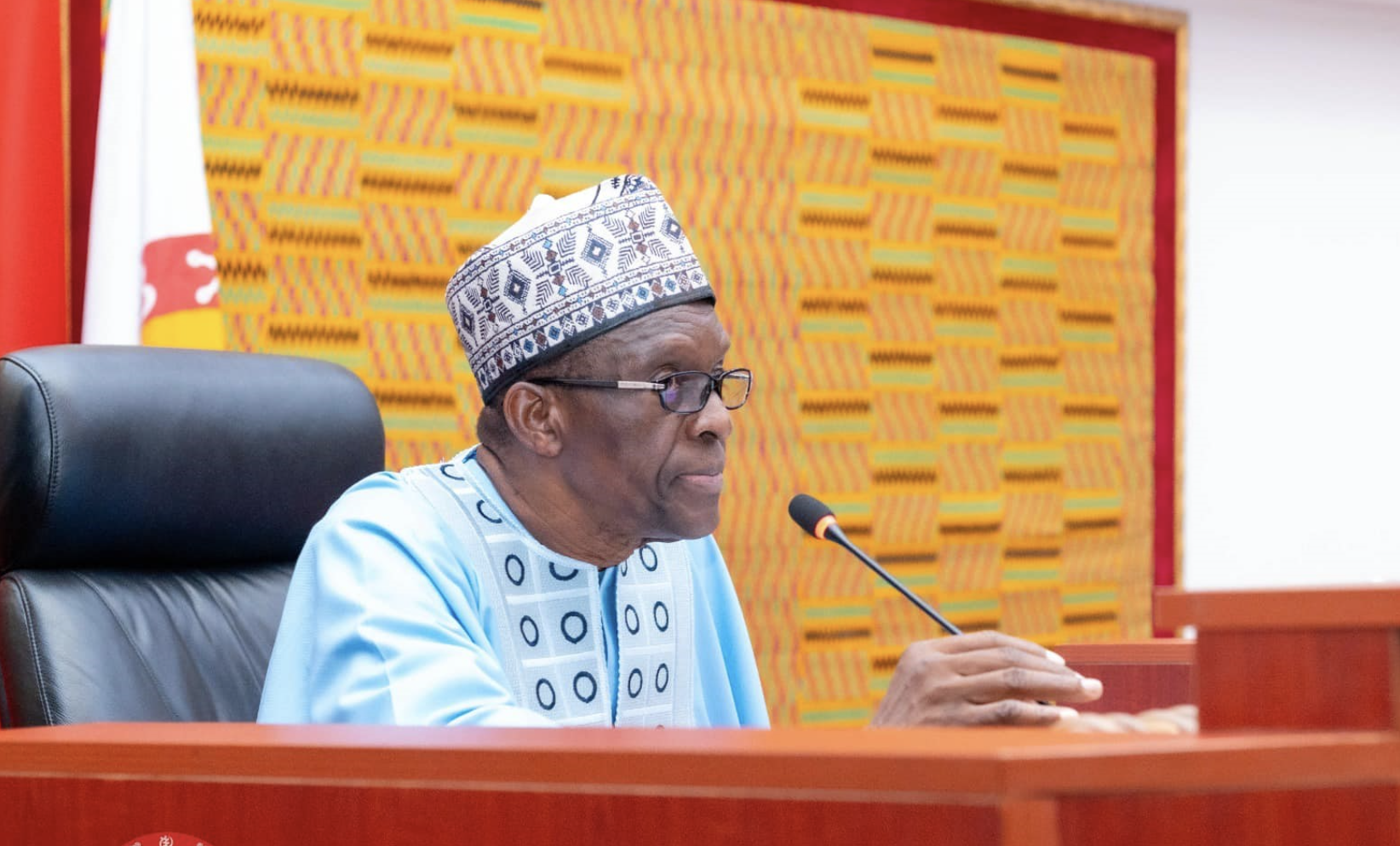
The Speaker considers the fabrication and deliberate circulation of documents purporting to emanate from Members or offices of Parliament a serious assault on the institution's integrity and reputation.
The Office of the Special Prosecutor (OSP) in Ghana has initiated an investigation into an alleged GH¢70,000 payment, an inquiry that has received the full backing of the nation's Parliament. This Ghana OSP Patricia Appiagyei GH¢70k probe centers on claims linked to the operational activities of the Parliament Appointments Committee, a body responsible for vetting presidential nominees.
The catalyst for this significant Office of Special Prosecutor Ghana investigation is a memorandum widely circulated on social media. This document purportedly details the return of the aforementioned GH¢70,000 and is attributed to Patricia Appiagyei, who serves as the Deputy Majority Leader and Member of Parliament for Asokwa. However, the authenticity of this memorandum has been called into question, with subsequent reports directly refuting that the Asokwa MP authored it.
While the Parliamentary Service has not independently verified the document's authenticity and refrains from making a definitive judgment on the conflicting claims at this juncture, it has unequivocally welcomed the OSP's involvement. The Speaker of Parliament has expressed support for any lawful investigation aimed at establishing the precise facts surrounding the circulating memorandum and the alleged GH¢70,000 payment.
Parliament's Stance and Legal Context
Parliament views allegations concerning payments connected to the work of its committees, particularly the high-profile Appointments Committee, as matters demanding rigorous scrutiny. This position underscores the institution's commitment to transparency and accountability in its processes. The Speaker has specifically urged the OSP to conduct its investigations thoroughly and expeditiously, with a clear mandate to ascertain both the authenticity of the memorandum and the veracity of the claims it contains.
A significant concern for Parliament is the possibility that the memorandum could be fabricated and falsely attributed to a Member of Parliament. Such an act, Parliament warns through its Director of Media Relations, David Sebastian Damoah, could severely undermine public confidence in the legislative institution and its operational integrity. The Speaker considers the fabrication and deliberate circulation of documents purporting to emanate from Members or offices of Parliament a serious assault on the institution's integrity and reputation.
In a show of full cooperation, Parliament has pledged to provide all necessary assistance to the OSP and any other competent investigative authority as they lawfully discharge their mandates. This proactive stance highlights the seriousness with which the legislative body is treating the Patricia Appiagyei alleged GH¢70,000 payment allegations and the broader implications for parliamentary conduct.
Accountability for Fabrication and Public Trust
Should the ongoing investigation establish that the memorandum was indeed fabricated or falsely attributed to the Deputy Majority Leader, Parliament insists that the matter must not conclude with that finding alone. The legislative body has called for appropriate investigative authorities to enlist the expertise of the Cyber Security Authority and other relevant law enforcement agencies. Their role would be to identify those responsible for creating and circulating the deceptive document.
Parliament's position is clear: where the evidence warrants, those found responsible for such actions should be held accountable in accordance with the law. This emphasis on accountability for a fabricated parliamentary memo legal implications signals a robust response to any attempts to mislead the public or compromise parliamentary processes. It also reinforces the broader Ghana anti-corruption public official probe efforts.
In the interim, Parliament has urged the public, media, and other stakeholders to exercise extreme caution when sharing the document or drawing definitive conclusions. This call for restraint is to remain in effect until the authenticity of the memorandum and the full circumstances surrounding it have been properly established. The Speaker remains steadfast in ensuring that all facts are brought to light and that appropriate consequences follow, as dictated by law, by September 5, 2026.
Practical Implications
This investigation by the OSP, backed by Parliament, signals heightened scrutiny of alleged corruption involving public officials and parliamentary processes in Ghana. Lawyers and compliance officers should advise clients on robust anti-corruption compliance, particularly concerning interactions with public figures, and be aware of the OSP's proactive enforcement, including potential legal ramifications for circulating unverified or fabricated documents.
Source
How does this affect you?
Get an AI analysis of this article grounded in your jurisdictions, practice areas, and any policy documents you've uploaded to Wansom.
Finish Reading the Full Story and the Expert Analysis.
Wansom is AI and can make mistakes.