
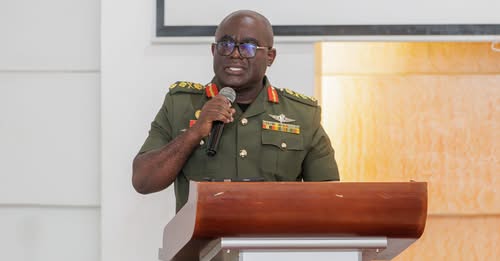
Ghana NACOC: Secures Prosecutorial Fiat, Direct Prosecution Power
Summary
- Ghana's Narcotics Control Commission (NACOC) has been granted direct prosecutorial powers under Section 59 of the Narcotics Control Commission Act, 2020 (Act 1019).
- Major General Maxwell Obuba Mantey, NACOC's Director-General, announced this new authority during a four-day public prosecution training workshop for officers on August 24, 2026.
- Mantey emphasized that prosecutors must uphold integrity, professionalism, and fairness, ensuring due process and justice beyond securing convictions.
- The training, the first of its kind for NACOC, aims to equip officers with skills for competent and ethical prosecution, focusing on proper investigative procedures and evidence standards.
- This initiative is part of NACOC's broader efforts to strengthen institutional capacity and improve the quality of investigations and Ghana drug trafficking prosecution.
Ghana's Narcotics Agency Gains Direct Prosecution Powers
This development signifies a profound shift in how narcotics-related cases will be handled, moving beyond mere convictions to prioritize due process and the rule of law.
The Narcotics Control Commission (NACOC) in Ghana has been granted a significant new authority: the power to directly prosecute its own cases. This pivotal development, described as an important step towards strengthening the Commission's operational capabilities, was highlighted by Major General Maxwell Obuba Mantey, the Director-General of NACOC, during a recent training workshop for the agency's officers. The move signifies a profound shift in how narcotics-related cases will be handled, empowering NACOC to pursue offenses arising directly from its investigations.
Major General Mantey expressed gratitude to both the Chief Justice and the Attorney-General for bestowing this crucial prosecutorial fiat upon NACOC. He made these remarks on Monday, August 24, 2026, while addressing participants at a four-day public prosecution training workshop, the first of its kind for the Commission. This new direct prosecution authority is rooted in Section 59 of the Narcotics Control Commission Act, 2020 (Act 1019), providing a clear legal framework for NACOC's expanded role in Ghana drug trafficking prosecution.
Upholding Integrity in New Prosecutorial Role
With this enhanced mandate, Major General Mantey underscored the critical importance of integrity, professionalism, and fairness for the officers being trained as prosecutors. He emphasized that their responsibility extends beyond merely securing convictions, stressing that the ultimate goal is to ensure justice is served and due process is meticulously followed. Prosecutors must approach their duties with sound judgment and unwavering objectivity, he advised.
The Director-General cautioned the officers against any compromise of their integrity, urging them to guarantee fair treatment for all suspects. He also insisted that only credible and properly obtained evidence should be presented before the courts. Mantey warned that deficiencies such as poor investigations, inadequate case preparation, or improper prosecution could severely undermine public confidence in both NACOC and the broader justice system, thereby impeding the pursuit of justice.
Strategic Training for Effective Enforcement
The four-day public prosecution training workshop, which commenced on August 24, 2026, is designed to equip NACOC officers with the necessary knowledge and skills to become competent, ethical, and effective prosecutors. Mrs. Yvonne Atakora Obuobisa, the Director of Public Prosecutions, delivered opening remarks, highlighting that successful prosecution begins long before a case ever reaches the courtroom. She explained that the outcome of a case often hinges on the initial stages, including how suspects are arrested, how evidence is collected and preserved, how statements are taken, and whether proper investigative procedures are diligently followed.
Mrs. Obuobisa urged the participants to strictly uphold the law and ensure that every case they present meets all required legal and evidential standards. She commended the Narcotics Control Commission Ghana for its investment in the professional development of its officers, encouraging them to fully leverage the training opportunity. Lawyer Alexander Twum-Barimah, the Deputy Director-General of NACOC, further reinforced the global challenge posed by drug trafficking, emphasizing the need for a coordinated and professional response. He stressed the pivotal role prosecutors play in ensuring narcotics-related cases are thoroughly investigated and prosecuted in strict accordance with the law, urging active engagement and application of learned knowledge.
Strengthening Institutional Capacity for Narcotics Control
This intensive training program forms a crucial part of NACOC's broader strategic initiatives aimed at strengthening its institutional capacity. The Commission seeks to significantly improve the quality of both investigations and prosecutions, ensuring that all narcotics-related offenses are handled with the utmost professionalism, integrity, and respect for the rule of law. The granting of the Ghana NACOC prosecutorial fiat under Section 59 Act 1019 is a cornerstone of this strategy, enabling a more direct and efficient approach to combating drug trafficking.
By empowering its officers with direct prosecution authority and providing comprehensive training, the Narcotics Control Commission Ghana is poised to enhance its effectiveness in tackling the complex challenges of drug enforcement. This development signifies a profound shift in how narcotics-related cases will be handled, moving beyond mere convictions to prioritize due process and the rule of law, ultimately bolstering public trust in the justice system's ability to address drug crimes.
Practical Implications
This development signifies a shift in how narcotics-related cases will be prosecuted in Ghana. Lawyers and compliance officers advising clients on drug trafficking or related offenses must now anticipate direct prosecution by NACOC, requiring a deeper understanding of NACOC's internal processes and prosecutorial approach, potentially impacting defense strategies and compliance frameworks.
Source
How does this affect you?
Get an AI analysis of this article grounded in your jurisdictions, practice areas, and any policy documents you've uploaded to Wansom.
Wansom is AI and can make mistakes.