
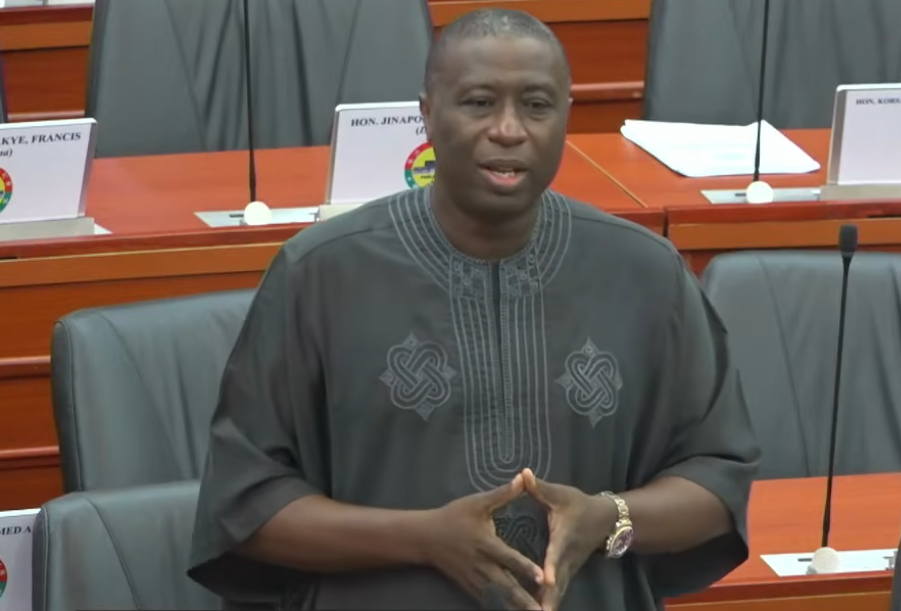
Ghana MP: GH¢680M GRA Safaritech Judgment Debt Looms Over State
Summary
- Patrick Yaw Boamah warned Parliament about a potential GH¢680 million judgment debt against the Ghana Revenue Authority from Safaritech.
- The warning came during a debate on proposed amendments to the State Proceedings Act, 1998 (Act 555).
- These amendments aim to prevent creditors from attaching funds in the Consolidated and Contingency Funds to enforce judgments against the state.
- Boamah argued that restricting access to these funds is unfair when government agencies fail to honor contracts.
- The government justifies the changes to protect essential public funds and limit enforcement to responsible agencies.
What Happened
Should the proposed amendments to the State Proceedings Act, 1998 (Act 555) be enacted, lawyers representing clients with judgment debts against the Ghanaian government would need to devise new strategies for enforcement, as the ability to attach funds from the Consolidated and Contingency Funds would be severely restricted.
A significant financial liability exceeding GH¢680 million looms over the Ghanaian government, stemming from a contract dispute involving the Ghana Revenue Authority (GRA) and the private entity Safaritech. This critical warning was issued by Patrick Yaw Boamah, the Member of Parliament for Okaikwei Central, during parliamentary discussions on the 2027 Budget Statement and Economic Policy on November 19. Mr. Boamah underscored the urgent need for the state to address the persistent failure of its public institutions to uphold contractual agreements. He cautioned against relying solely on legislative adjustments that could impede creditors' ability to recover funds awarded by the courts.
The Okaikwei Central MP specifically highlighted the Ghana Revenue Authority judgment debt, stating that the GRA is currently burdened with a judgment debt of over GH¢680 million owed to Safaritech. He stressed that government entities must honor their commitments to private companies to prevent costly litigation and the accumulation of such financial obligations. Boamah's intervention signals a broader concern about the state's financial exposure due to unfulfilled contracts and the subsequent legal battles.
Legal Context
Central to Mr. Boamah's concerns are proposed amendments to the State Proceedings Act, 1998 (Act 555), which were debated as part of the 2027 Budget. These legislative changes are designed to prevent judgment creditors from attaching funds held within the Ghana Consolidated Fund and the Contingency Fund when seeking to enforce court decisions against the state. The government's stated intention behind these restrictions is to safeguard funds designated for essential public services and to ensure that enforcement orders are directed specifically at the state agency whose actions led to the judgment.
The government cited the June 2026 floods as an example, noting that the Contingency Fund could not be released for relief efforts despite parliamentary approval because it had been garnisheed. Furthermore, officials expressed apprehension regarding the freezing of accounts belonging to government institutions that were not directly implicated in the underlying disputes. Conversely, Mr. Boamah questioned the equity of these proposed restrictions, particularly when government agencies have demonstrably failed to meet their contractual obligations. He argued that such a move could severely hinder businesses and individuals who have successfully litigated against the state from recovering their rightful compensation, potentially compelling them to seek enforcement through other government assets.
Why It Matters
The ongoing debate highlights a fundamental tension between the government's desire to protect essential public funds and the imperative to ensure that individuals and companies with legitimate court judgments against the state can secure redress. Should the proposed amendments to the State Proceedings Act, 1998 (Act 555) be enacted, lawyers representing clients with judgment debts against the Ghanaian government would need to devise new strategies for enforcement, as the ability to attach funds from the Consolidated and Contingency Funds would be severely restricted.
This situation carries significant implications for the business environment, potentially eroding confidence in the state's contractual reliability. Mr. Boamah also drew attention to the GH¢100 million allocated for judgment debt payments in the 2027 Budget, questioning the specific liabilities the government anticipates settling with this provision. His warning emphasizes that breaches of contract by public institutions not only trigger expensive litigation but also contribute substantially to the financial burden on the state, underscoring the critical importance of honoring contractual commitments to avoid similar costly litigation and judgment debts.
Practical Implications
Lawyers representing clients with judgment debts against the Ghanaian government must closely monitor the proposed amendments to the State Proceedings Act, 1998 (Act 555), as these changes could severely restrict the ability to attach funds from the Consolidated and Contingency Funds, necessitating new strategies for judgment enforcement. Compliance officers should advise public sector clients on the critical importance of honoring contractual commitments to avoid similar costly litigation and judgment debts.
Source
How does this affect you?
Get an AI analysis of this article grounded in your jurisdictions, practice areas, and any policy documents you've uploaded to Wansom.
Finish Reading the Full Story and the Expert Analysis.
Get the latest legal & regulatory intelligence in Ghana
Wansom is AI and can make mistakes.