
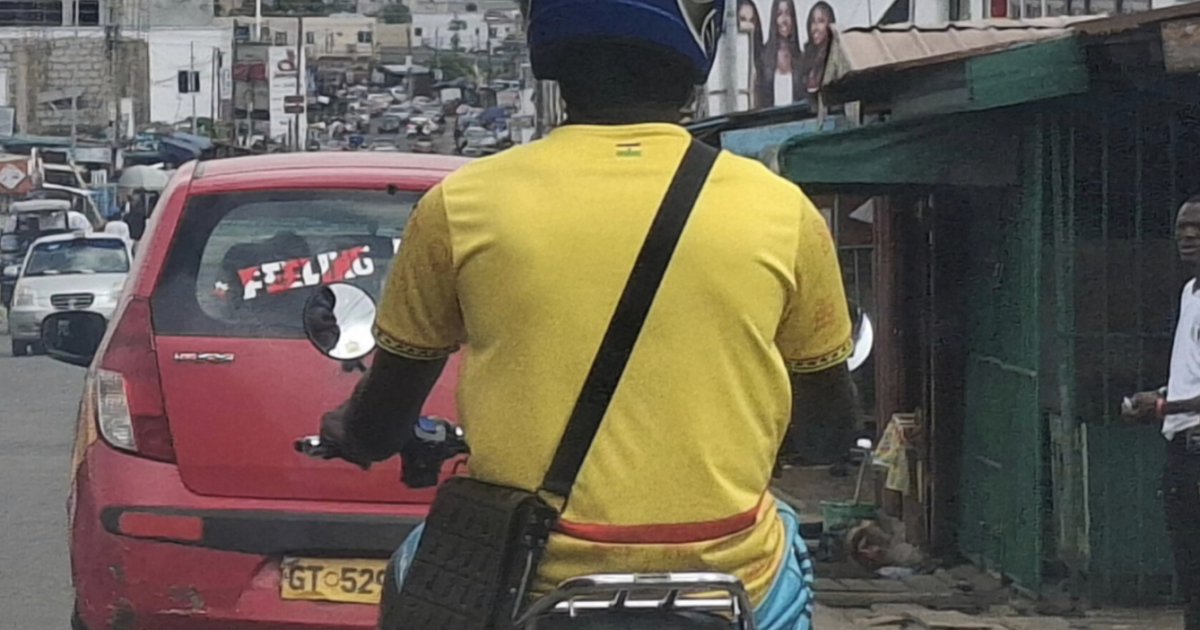
Ghana: Motorcycle Number Plate Concealment Poses Enforcement Challenge
Summary
- Some motorcyclists in Ghana are increasingly concealing their number plates by bending, covering, or positioning them to be unreadable.
- This practice hinders law enforcement's ability to identify vehicles involved in traffic offenses, crashes, or criminal activity.
- The issue is particularly critical as Ghana transitions to technology-supported traffic enforcement using cameras and electronic devices.
- A visible registration number is essential for linking a motorcycle to its owner and ensuring accountability under the law.
- The Ghana News Agency has called for strict enforcement of proper and visible motorcycle plate display by authorities.
The Growing Trend of Concealment
Even if a motorcycle is fast enough to disappear quickly into traffic, a clearly displayed registration number is crucial for ensuring that the vehicle does not escape legal scrutiny and can be identified for subsequent action.
A concerning practice is gaining traction among some motorcyclists in Ghana, involving the deliberate concealment of their registration number plates. This issue, observed particularly on busy thoroughfares in Accra and other urban centers, sees riders employing various methods to obscure their vehicle's identity. Techniques include tilting plates upwards, partially covering them with different materials, or positioning them in ways that render the alphanumeric characters difficult or impossible to read for observers. This intentional obfuscation directly impedes the ability of law enforcement and other road users to identify vehicles involved in incidents, creating a significant loophole in traffic monitoring.
This widespread practice of Ghana motorcycle number plate concealment poses significant challenges for both law enforcement agencies and the general public. When registration details are obscured, it becomes exceedingly difficult for authorities to identify motorcycles involved in traffic offenses, crashes, or even suspected criminal activities. The inability to quickly ascertain a vehicle's identity undermines efforts to maintain order, ensure accountability on the roads, and effectively respond to incidents requiring vehicle identification.
Undermining Enforcement and Accountability
The implications of Ghana concealed motorcycle registration are profound, directly impacting the efficacy of law enforcement and the pursuit of justice. A motorcycle's registration number is a vital piece of information, serving as the primary link between the vehicle and its registered owner. Without a clearly visible plate, investigations into incidents become significantly more complex, hindering the ability to establish accountability for actions committed on the road, whether they are minor infractions or more serious criminal acts. This makes it harder to trace individuals responsible for violations.
This challenge is further exacerbated by a strategic shift in Ghana's approach to traffic management. The country is increasingly moving away from traditional roadside checkpoints, instead adopting Ghana traffic enforcement technology, such as cameras and electronic devices, to detect violations. Obscured motorcycle plates Ghana effectively circumvent these technological advancements, allowing non-compliant riders to evade detection and potential penalties. This creates a heightened risk of enforcement actions for those who are identified, as authorities may view such concealment as an intentional act to avoid legal consequences.
Call for Stricter Compliance and Road Safety
The growing prevalence of obscured motorcycle plates directly undermines Ghana road safety regulations and the broader legal framework designed to ensure order and security on the nation's roads. Even if a motorcycle is fast enough to disappear quickly into traffic, a clearly displayed registration number is crucial for ensuring that the vehicle does not escape legal scrutiny and can be identified for subsequent action. This principle is fundamental to maintaining public trust in the enforcement system and ensuring that all road users are held to the same standards.
In response to these escalating concerns, the Ghana News Agency, in a report dated 9 September 2026, has issued a strong call for action. They urge the Police and other relevant regulatory bodies to enforce strict motorcycle plate display compliance Ghana. This includes ensuring that all motorcycle registration plates are properly displayed, upright, and clearly visible at all times. Adhering to these requirements is essential for upholding the rule of law, safeguarding the integrity of the nation's traffic enforcement efforts, and ultimately enhancing overall road safety for everyone.
Practical Implications
Lawyers and compliance officers in Ghana should advise clients operating motorcycle fleets or individuals on the heightened risk of enforcement actions and penalties due to the growing practice of number plate concealment, especially with the shift towards technology-supported traffic enforcement. Non-compliance could lead to fines or other legal repercussions.
Source
How does this affect you?
Get an AI analysis of this article grounded in your jurisdictions, practice areas, and any policy documents you've uploaded to Wansom.
Finish Reading the Full Story and the Expert Analysis.
Get the latest legal & regulatory intelligence in Ghana
Wansom is AI and can make mistakes.