
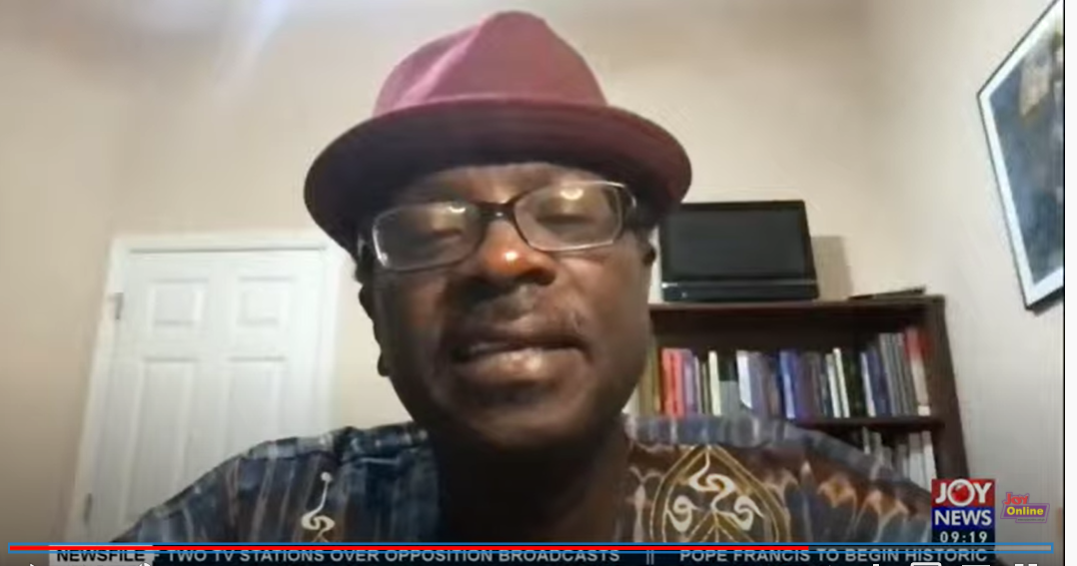
Prof Kwaku Asare: Ghana Chief Justice Political Comments Draw Caution
Summary
- Ghanaian legal scholar Prof Kwaku Asare cautioned Chief Justice Paul Baffoe-Bonnie regarding public comments.
- The caution stemmed from the Chief Justice's remarks on the performance of state institutions under the current administration.
- Prof Asare advised against statements that could be interpreted as partisan political assessments.
- A specific concern was the Chief Justice's reference to "the past" in his comments.
- Prof Asare acknowledged understanding the sentiment behind the Chief Justice's initial remarks.
What Happened
Any statement, however well-intentioned, that can be construed as evaluating the performance of a sitting administration or drawing comparisons to previous ones risks undermining the perceived impartiality of the courts.
Ghanaian legal scholar Professor Kwaku Asare recently issued a notable caution to Chief Justice Paul Baffoe-Bonnie, urging him to refrain from making public statements that could be perceived as partisan political assessments. This intervention by Professor Asare followed remarks made by the Chief Justice concerning the operational effectiveness of state institutions under the current government administration. The scholar's admonition highlights a critical aspect of judicial conduct and the ongoing Ghana judicial impartiality debate.
Professor Asare acknowledged that he understood the underlying sentiment behind the Chief Justice's comments regarding the performance of state institutions. However, his concern specifically centered on the Chief Justice's inclusion of a reference to "the past" within these remarks. Such phrasing, according to Professor Asare, carries the potential for misinterpretation, leading to perceptions of political alignment rather than objective judicial observation. The Prof Kwaku Asare Ghana Chief Justice political comments underscore the delicate balance high-ranking judicial figures must maintain.
Judicial Independence and Public Scrutiny
The caution delivered by Professor Kwaku Asare brings into sharp focus the broader Ghana judicial independence concerns and the imperative for the judiciary to remain unequivocally neutral in political discourse. A Chief Justice, as the head of the judicial branch, holds a unique position of authority and public trust, making their pronouncements subject to intense scrutiny. Any statement, however well-intentioned, that can be construed as evaluating the performance of a sitting administration or drawing comparisons to previous ones risks undermining the perceived impartiality of the courts.
The integrity of the justice system hinges on its ability to adjudicate disputes without bias, and public confidence in this impartiality is paramount. When Chief Justice Paul Baffoe-Bonnie remarks touch upon the performance of Ghana state institutions performance comments in a manner that could be seen as political, it can inadvertently fuel skepticism about the judiciary's detachment from the political arena. This situation contributes to the ongoing Ghana judicial impartiality debate, emphasizing the need for judicial leaders to carefully calibrate their public statements to preserve the institution's non-partisan standing.
Why It Matters for Legal Practice
The Prof Kwaku Asare judicial criticism of the Chief Justice's comments carries significant weight, particularly for legal professionals and compliance officers operating within Ghana. The perception of judicial impartiality directly influences the strategic considerations in legal cases, especially those involving state institutions or politically sensitive matters. When the head of the judiciary makes remarks that could be interpreted as partisan, it can affect how litigants, lawyers, and the public view the fairness and objectivity of judicial proceedings.
Such public statements by high-ranking judicial officials contribute to the overall climate of Ghana judicial independence concerns. Lawyers advising clients on matters before the courts must consider how these perceptions might impact case outcomes or public trust in judgments. The caution from Professor Asare serves as a reminder that even seemingly innocuous comments can have far-reaching implications for the judiciary's credibility and its ability to inspire confidence across the political spectrum, reinforcing the need for judicial leaders to maintain strict neutrality in their public discourse.
Practical Implications
Lawyers and compliance officers in Ghana should monitor public statements by high-ranking judicial officials for potential implications on judicial impartiality and public trust. Such perceptions can influence legal strategy, client advice, and arguments concerning the integrity of the justice system, particularly when dealing with cases involving state institutions.
Source
How does this affect you?
Get an AI analysis of this article grounded in your jurisdictions, practice areas, and any policy documents you've uploaded to Wansom.
Finish Reading the Full Story and the Expert Analysis.
Wansom is AI and can make mistakes.