
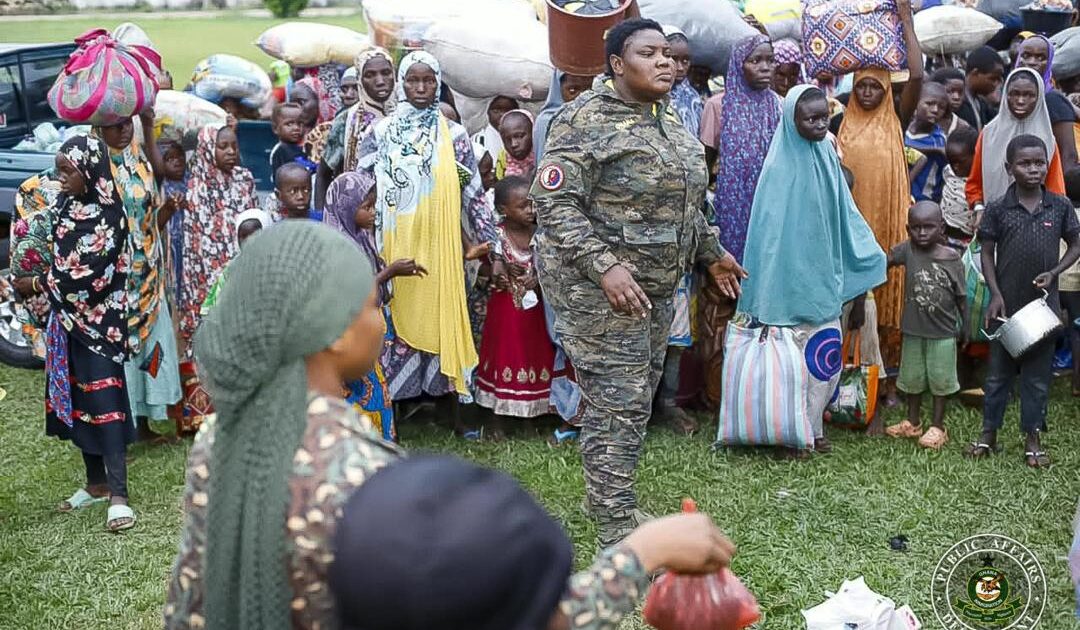
Ghana Immigration Service: Stop Street Begging Donations to Fight Trafficking
Summary
- The Ghana Immigration Service has advised the public against giving money directly to street beggars, particularly children.
- This directive follows an intelligence-led anti-human trafficking operation on August 29 that apprehended 1,055 individuals, including 662 children.
- The GIS believes direct donations inadvertently support organized begging networks that exploit vulnerable migrants.
- Comptroller-General Samuel Basintale Amadu stated that removing financial incentives would reduce the profitability of these networks.
- The public is encouraged to channel charitable contributions through official bodies like the Department of Social Development or credible NGOs.
New Directive on Charitable Giving
The Ghana Immigration Service emphasizes that channeling support through officially recognized bodies ensures assistance reaches those genuinely in need while actively supporting the broader fight against human trafficking and exploitative street begging.
The Ghana Immigration Service (GIS) has issued a public appeal, urging individuals to cease direct monetary donations to street beggars, particularly migrant children. This significant advisory, dated September 2, 2026, stems from concerns that such charitable acts inadvertently bolster organized begging networks. The GIS suggests that these networks exploit vulnerable individuals, including children and migrants, for financial gain.
This call to action follows a recent intelligence-led anti-human trafficking operation conducted by the service. The GIS believes that by redirecting Ghana Immigration Service street begging donations away from direct street handouts, the public can play a crucial role in disrupting the economic model that sustains these exploitative operations.
Operation Uncovers Organized Networks
The GIS directive comes in the wake of a major enforcement action on August 29, which targeted human trafficking activities in the Greater Accra and Ashanti Regions. This intelligence-led operation resulted in the apprehension of 1,055 individuals. Among those taken into custody were a significant number of vulnerable persons, specifically 662 children, 248 women, and 145 men.
Investigations by the service indicate that some Ghanaian nationals are suspected of collaborating with these Organized begging networks Ghana, acting as local facilitators or agents. The scale of the operation underscores the pervasive nature of these exploitative systems, prompting the GIS Ghana anti-human trafficking unit to seek public cooperation in dismantling them.
Strategic Approach to Combat Exploitation
Comptroller-General of Immigration, Samuel Basintale Amadu, articulated the strategic rationale behind the GIS's new stance. He emphasized that by eliminating the financial incentives associated with street begging, the profitability of organized networks would be significantly diminished. This, in turn, is expected to deter traffickers from exploiting vulnerable populations for illicit gains.
The Comptroller-General's perspective was conveyed in a statement signed by Deputy Commissioner of Immigration (DCI) Maud Anima Quianoo, which was dated August 29. This Samuel Basintale Amadu statement highlights a proactive approach by the GIS, moving beyond arrests to address the underlying economic drivers of human trafficking and exploitative begging.
Ensuring Compliant and Effective Aid
In light of these concerns, the Ghana Immigration Service is actively encouraging the public to channel their philanthropic contributions through established and legitimate channels. Recommended avenues include the Department of Social Development, recognized children’s homes, credible non-governmental organizations (NGOs), or other officially authorized charitable bodies. This guidance aims to ensure Donations to NGOs Ghana compliance and effectiveness.
The Ghana Immigration Service emphasizes that channeling support through officially recognized bodies ensures assistance reaches those genuinely in need while actively supporting the broader fight against human trafficking and exploitative street begging. The 1,055 individuals apprehended during the recent operation have been transferred to a designated holding center for profiling and immigration processing. Furthermore, the GIS is collaborating with key stakeholders, including the Ministry of Gender and Social Protection, to guarantee that victims, particularly children, receive appropriate care, protection, and support throughout their removal process, aligning with Department of Social Development Ghana guidance.
Practical Implications
Compliance officers and legal counsel for NGOs or corporations engaged in charitable giving in Ghana should review their donation policies. The Ghana Immigration Service's directive signals a heightened enforcement focus on human trafficking and organized begging, emphasizing the need to channel support through officially recognized bodies to avoid inadvertently sustaining illegal networks and to ensure compliance with anti-trafficking efforts.
Source
How does this affect you?
Get an AI analysis of this article grounded in your jurisdictions, practice areas, and any policy documents you've uploaded to Wansom.
Finish Reading the Full Story and the Expert Analysis.
Wansom is AI and can make mistakes.