
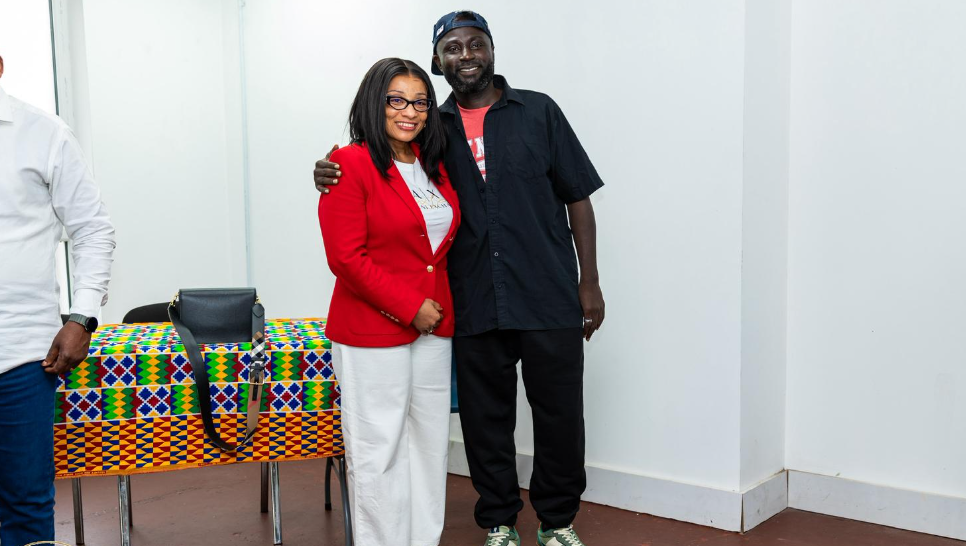
Ghana High Commission UK: Barosky Intervention Leads to Musician's Repatriation
Summary
- Ghanaian highlife musician Barosky expressed readiness to return home following an intervention by the Ghana High Commission in the UK.
- The High Commission's involvement was prompted by public concern after a distressing video of Barosky circulated widely on social media.
- Ghanaian High Commissioner Mrs. Sabah Zita Benson traveled to Manchester to meet Barosky and the Ghanaian community to determine how best to assist him.
- Mrs. Benson stated the High Commission is prepared to facilitate Barosky's repatriation to Ghana if he chooses to return.
- The incident has renewed focus on the need to support veteran Ghanaian musicians who have contributed significantly to the nation's highlife tradition.
High Commission Intervenes for Ghanaian Musician
The High Commissioner's public tribute to Barosky's musical prowess, coupled with her questioning of why such a talent should struggle without support, resonated widely.
Ghanaian highlife musician Barosky has indicated his willingness to return to Ghana following a direct intervention by the Ghana High Commission in the United Kingdom. The diplomatic mission stepped in to assess the artist's welfare and explore avenues for providing support, a move that came after widespread public concern regarding Barosky's condition.
The catalyst for the High Commission's involvement was a distressing video featuring Barosky, which circulated extensively across social media platforms. This footage prompted a significant outpouring of concern from Ghanaians both within their home country and abroad. Responding to the growing public sentiment, Mrs. Sabah Zita Benson, the Ghanaian High Commissioner to the UK, personally traveled to Manchester.
In Manchester, Mrs. Benson met with Barosky and members of the local Ghanaian community. The purpose of her visit was to ascertain the most effective ways to assist the veteran musician. The High Commissioner confirmed that the mission was initiated after numerous messages drawing attention to the viral video were received, prompting her to immediately instruct the consular office to establish contact and seek a resolution. Barosky has since expressed his gratitude to Mrs. Benson and the Ghanaian community for their support and concern, stating his readiness to return to Ghana should the necessary arrangements be facilitated.
Consular Support and Community Mobilization
The decision by High Commissioner Mrs. Sabah Zita Benson to personally engage with Barosky was deeply influenced by his significant contributions to Ghanaian music. She underscored the importance of the Ghanaian community uniting to support him, emphasizing that his talent was undeniable and should not be allowed to go unsupported. The High Commission's commitment extends to facilitating Barosky's repatriation to Ghana, should that be his preferred course of action, with Mrs. Benson explicitly stating the mission's readiness to assist in such arrangements.
Mrs. Benson further stressed that the restoration of the musician's wellbeing would necessitate a concerted, collective effort from the broader Ghanaian community. This intervention highlights the practical scope of consular assistance provided by diplomatic missions, which often includes welfare checks and repatriation support for citizens in distress abroad. The High Commissioner also noted the mission's ongoing efforts to promote Ghana internationally through its vibrant creative and cultural industries, encompassing arts, culture, music, and food, positioning Barosky's situation within this broader cultural advocacy.
Upon receiving the initial messages about the video, Mrs. Benson had immediately directed her consular office to reach out, demonstrating the High Commission's proactive approach to citizen welfare. Her personal visit to Manchester, rather than delegating, underscored the gravity of the situation and the High Commission's dedication to its citizens, particularly those who have contributed significantly to the nation's cultural heritage.
Renewed Focus on Veteran Musicians
This high-profile intervention by the Ghana High Commission has brought renewed attention to the critical need for recognizing and supporting veteran Ghanaian musicians. These artists, like Barosky, have played an instrumental role in shaping the country's rich highlife tradition and cultural identity. The incident underscores the challenges faced by some cultural icons and the importance of ensuring their welfare in their later years.
The High Commissioner's public tribute to Barosky's musical prowess, coupled with her questioning of why such a talent should struggle without support, resonated widely. It served as a powerful reminder of the societal responsibility to care for those who have enriched the national heritage. The development has thus sparked broader conversations about sustainable support systems for artists who have dedicated their lives to their craft.
Ultimately, the High Commission's actions have not only offered a potential path forward for Barosky but have also reinforced the message that the Ghanaian community, both at home and abroad, along with its diplomatic representatives, has a vital role to play in safeguarding the welfare of its citizens and honoring its cultural pioneers. The willingness of Barosky to consider returning home, contingent on arrangements, signifies the tangible impact of such concerted efforts.
Practical Implications
This case highlights the practical role and scope of consular assistance provided by diplomatic missions to their citizens abroad. Lawyers advising Ghanaian expatriates or companies employing them should note the High Commission's willingness to intervene in welfare and repatriation cases, informing advice on available support mechanisms for citizens in distress.
Source
How does this affect you?
Get an AI analysis of this article grounded in your jurisdictions, practice areas, and any policy documents you've uploaded to Wansom.
Finish Reading the Full Story and the Expert Analysis.
Wansom is AI and can make mistakes.