
Ghana Parliament: Mahama Supreme Court Nominees Approved
Summary
- Ghana's Parliament recently approved three Supreme Court nominees put forward by President John Mahama.
- The approved justices are Justice Sophia Rosetta Bernasko Essah, Justice Edward Amoako Asante, and private legal practitioner Anthony Forson Jnr.
- The Minority caucus walked out of the vetting process, citing a compressed timetable and lack of urgent vacancies.
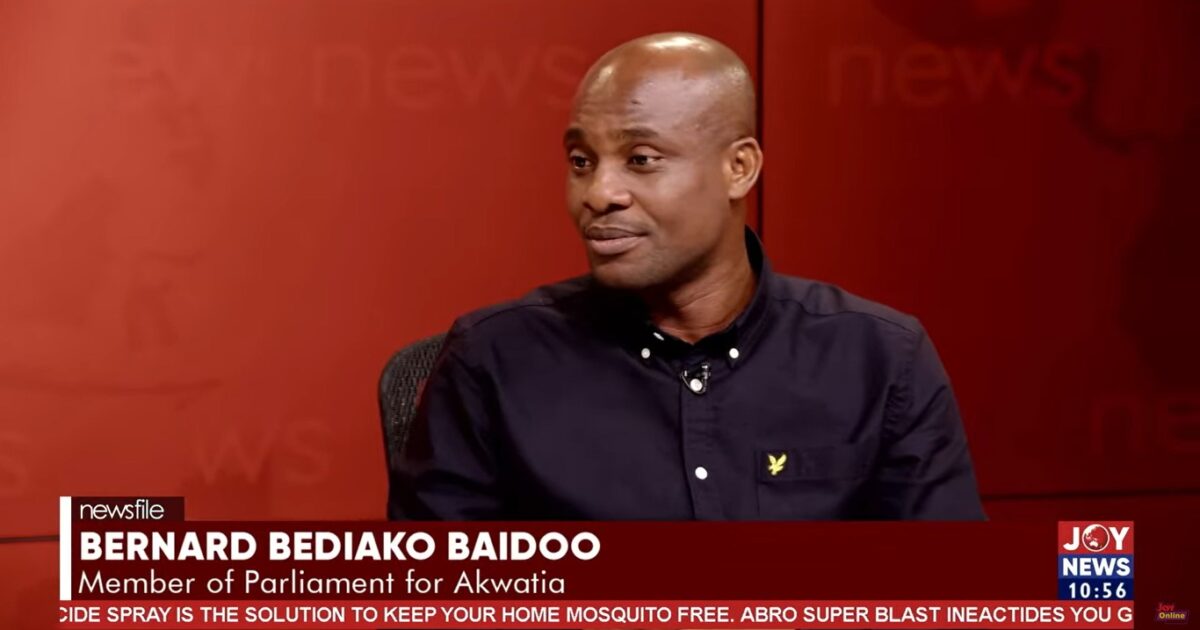
- Akwatia MP Bernard Bediako Baidoo defended the appointments against "court-packing" accusations, distinguishing them from past nominations.
- Majority Leader Alexander Afenyo-Markin questioned the governing NDC's changed stance on judicial appointments compared to when they were in opposition.
Recent Judicial Appointments Stir Political Debate
For legal professionals and compliance officers, understanding the composition of the highest court is crucial, as the perspectives and judicial philosophies of these new justices will now contribute to the nation's legal precedents.
Parliament in Ghana recently confirmed the appointments of three new justices to the nation's highest court, a move that has ignited significant political contention. Justice Sophia Rosetta Bernasko Essah, Justice Edward Amoako Asante, and private legal practitioner Anthony Forson Jnr Supreme Court were all approved following the adoption of a recommendation report from the Appointments Committee. This development means the Mahama Supreme Court nominees approved Ghana will now take their places on the bench, contributing to the court's future decisions and legal interpretations.
However, the process was not without controversy. The Minority caucus, led by Alexander Afenyo-Markin, voiced strong objections, culminating in their walkout from the Appointments Committee proceedings on Thursday, August 27. Their concerns centered on what they described as an unduly rushed timetable for vetting the candidates. Furthermore, the Minority contended that there were no urgent vacancies on the Supreme Court requiring immediate filling, and that the public had not been afforded adequate opportunity to engage in the appointment process.
The "Court-Packing" Controversy Explained
The core of the political disagreement revolved around accusations of "court-packing" leveled against the Mahama administration. Bernard Bediako Baidoo, the Member of Parliament for Akwatia, vehemently rejected these claims, asserting that the circumstances surrounding President John Mahama’s nominations were fundamentally different from those under former President Nana Addo Dankwa Akufo-Addo. Mr. Baidoo argued that the National Democratic Congress (NDC), while in opposition in 2024, had not merely opposed an increase in the number of Supreme Court judges.
Instead, the NDC's primary concern at that time was the alleged appointment of close friends and political allies by then-President Akufo-Addo to the country's apex court. Mr. Baidoo maintained that such an allegation could not be credibly made against the current nominees put forward by the Mahama administration. He further elaborated that President Mahama's request for these appointments was to fulfill a specific function for the executive branch, distinguishing it from previous situations.
This defense came in response to the Minority's charge that the governing NDC had abandoned its prior stance on judicial appointments. Majority Leader Alexander Afenyo-Markin directly challenged the NDC's position, questioning the party's current support for additional justices after having accused the Akufo-Addo administration of court-packing when it nominated three Supreme Court judges. This highlights the ongoing Ghana court packing debate and the political complexities surrounding Ghana judicial appointments Mahama.
Implications for Ghana's Judiciary
The confirmation of Justice Sophia Rosetta Bernasko Essah, Justice Edward Amoako Asante, and Anthony Forson Jnr Supreme Court marks a significant moment for Ghana's judicial landscape. These new additions to the Supreme Court will undoubtedly influence the court's jurisprudence and potentially reshape future legal interpretations across various sectors. For legal professionals and compliance officers, understanding the composition of the highest court is crucial, as the perspectives and judicial philosophies of these new justices will now contribute to the nation's legal precedents.
This episode also underscores the persistent political scrutiny and public debate that often accompanies judicial appointments in Ghana. The arguments surrounding the vetting timeline, the necessity of new appointments, and the historical context of "court-packing" accusations demonstrate the high stakes involved in the selection of Supreme Court judges. The Supreme Court judges Ghana approval process remains a focal point where political dynamics intersect with the independence and integrity of the judiciary, ensuring continued vigilance over such critical appointments.
Practical Implications
Lawyers and compliance officers should be aware of the confirmed appointments to Ghana's Supreme Court, as the new justices will now contribute to the court's jurisprudence and potentially influence future legal interpretations. This development also highlights the ongoing political scrutiny and public debate surrounding judicial appointments in Ghana.
Source
How does this affect you?
Get an AI analysis of this article grounded in your jurisdictions, practice areas, and any policy documents you've uploaded to Wansom.
Finish Reading the Full Story and the Expert Analysis.
Wansom is AI and can make mistakes.