
Ghana GRA: Digital Service VAT Expansion Targets 100 More Foreign DSPs
Summary
- The Ghana Revenue Authority (GRA) has identified approximately 100 additional foreign digital service providers not currently charging VAT.
- These providers will be gradually integrated into Ghana's tax collection system, expanding on the 92 companies already remitting VAT.
- A new Real-Time VAT framework will separate the tax component at the point of payment, sending it directly to the government.
- The 20% charge includes 15% VAT, 2.5% National Health Insurance Levy, and 2.5% GETFund Levy.
- This initiative applies to digital services and covers payments made via mobile platforms, digital platforms, and bank cards, but not physical goods.
Expanding Digital Service Tax Enforcement
The implementation of a real-time payment separation mechanism represents a significant shift in how Ghana collects VAT from the burgeoning digital economy.
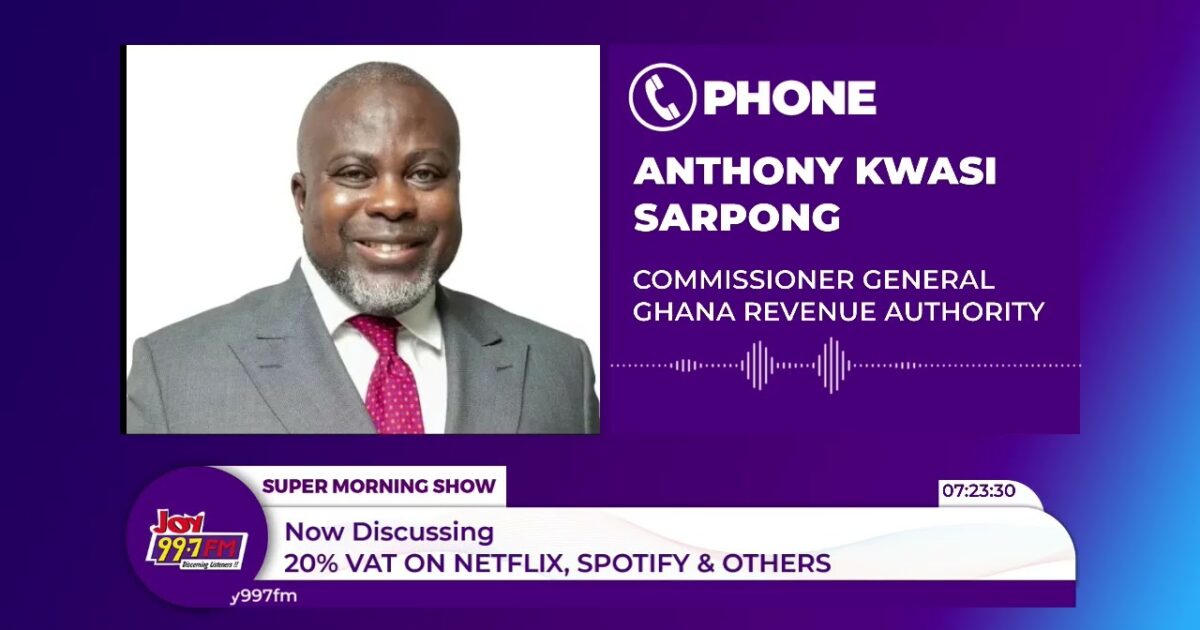
The Ghana Revenue Authority (GRA) has announced a significant expansion of its tax collection efforts targeting foreign digital service providers (DSPs) operating within the country. Approximately 100 additional foreign entities, currently not remitting Value Added Tax (VAT), have been identified by the GRA and are slated for inclusion in the national tax system. This initiative was publicly disclosed by Commissioner-General Anthony Kwasi Sarpong during a discussion on Joy FM’s Super Morning Show on October 14, where the 20% tax applicable to various cross-border digital services, including platforms like Netflix and Spotify, was a key topic.
This move builds upon existing compliance, as about 92 foreign companies are already remitting VAT to the GRA. The integration of these newly identified providers will be a phased process, allowing the Authority to gradually broaden its compliance reach. Crucially, the GRA has clarified that the new collection mechanism will not alter the pricing for the 92 merchants already incorporating the tax into their charges. However, for the newly identified providers, their qualifying services will now be subject to VAT collection, potentially impacting their pricing structures for Ghanaian consumers.
The Real-Time VAT Framework and Its Mandate
The underlying obligation for foreign companies to charge VAT on services provided to consumers in Ghana is not new, having been in effect since 2013. The GRA's latest intervention is designed to enhance the efficiency of tax collection and provide the Authority with a comprehensive overview of transactions involving these international digital service providers. Previously, the system relied on service providers to collect payments, report their transactions, and subsequently remit the tax component to the GRA. This method presented challenges, as the Authority's ability to independently verify the volume and value of transactions was limited, leaving it largely dependent on company declarations.
To address these limitations, the GRA is implementing a new Real-Time VAT framework for qualifying cross-border digital services. This innovative system is engineered to separate the tax component directly at the point of payment. The tax portion will be immediately transferred to the Ghanaian government, with the remaining balance then remitted to the service provider. Commissioner-General Sarpong emphasized that this approach leverages technology to intelligently account for and collect the government's rightful share. Elsie Appau-Klu, Technical Advisor to the Commissioner-General, had previously highlighted that this framework facilitates the collection of existing VAT through participating financial institutions at the moment of payment.
The combined 20% charge applied to these services is composed of several levies: a 15% Value Added Tax, a 2.5% National Health Insurance Levy, and a 2.5% GETFund Levy. The scope of this collection system is broad, encompassing qualifying payments made via mobile and other digital payment platforms, in addition to bank cards, ensuring it is not restricted to card transactions alone.
Scope and Strategic Importance
It is important to note that the initial rollout of this expanded tax collection effort specifically targets digital services and does not extend to physical goods purchased from foreign online platforms. This distinction is due to the existing mechanisms for imported goods, which are already subject to applicable duties and VAT assessments upon their entry into Ghana through its borders. Therefore, tangible products are not currently affected by this new digital service VAT expansion.
This strategic move by the GRA underscores a broader effort to modernize tax administration and ensure equitable contributions from all economic actors, including those operating digitally across borders. For foreign digital service providers, this necessitates a thorough review of their VAT compliance status in Ghana, as the Authority is clearly committed to a more proactive and technologically-driven approach to tax collection. The implementation of a real-time payment separation mechanism represents a significant shift in how Ghana collects VAT from the burgeoning digital economy.
Practical Implications
Lawyers advising foreign digital service providers operating in Ghana should review their clients' VAT compliance status, as the GRA is significantly expanding its enforcement and collection efforts to include approximately 100 additional providers, implementing a new real-time payment separation mechanism.
Source
How does this affect you?
Get an AI analysis of this article grounded in your jurisdictions, practice areas, and any policy documents you've uploaded to Wansom.
Finish Reading the Full Story and the Expert Analysis.
Get the latest legal & regulatory intelligence in Ghana
Wansom is AI and can make mistakes.