
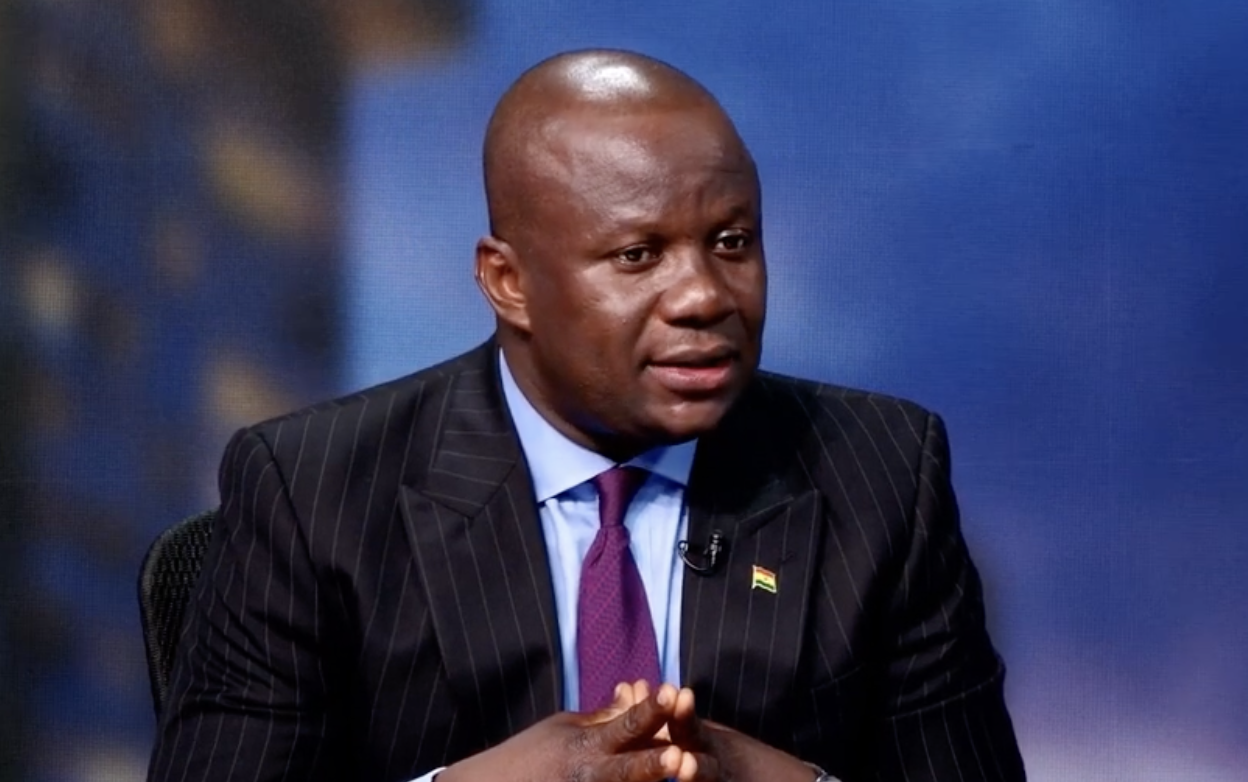
Ghana Foreign Ministry: GH¢50m Evacuation RTI Standoff
Summary
- Ghana's Minority in Parliament refuses to attend a meeting with the Foreign Affairs Minister until detailed records for a GH¢50 million evacuation expenditure are provided.
- The Minority submitted a formal request under the Right to Information Act, 2019 (Act 989) on August 17, seeking comprehensive financial details.
- The Ministry of Foreign Affairs received the RTI request on August 25 but has not yet supplied the itemized accounts for the nearly GH¢50 million spent on evacuating 1,964 Ghanaians.
- The requested information includes funding sources, private partner contributions, transportation, accommodation, medical services, and procurement records.
- The Minority emphasizes that support for the evacuation does not negate the government's obligation for full financial accountability.
What Happened
The ongoing failure of the Ghana Ministry of Foreign Affairs to release the requested GH¢50 million evacuation expenditure details, despite a formal RTI request, raises questions about compliance with this crucial legislation and the broader commitment to governmental accountability.
The Minority Caucus in Ghana's Parliament has declared its refusal to participate in an upcoming closed-door meeting with the Foreign Affairs Minister. This decision stems from the Ministry's failure to provide detailed expenditure records concerning the nearly GH¢50 million allocated for the evacuation and reintegration of Ghanaian citizens from South Africa. The caucus, specifically its Foreign Affairs Committee members, insists that full itemized accounts and supporting documentation must be furnished before they will engage in discussions regarding the evacuation efforts.
This parliamentary standoff highlights a growing demand for transparency regarding significant public spending. The scheduled meeting, intended to address the evacuation of Ghanaians following xenophobic attacks in South Africa, is now contingent on the Ministry's compliance with the Minority's request for financial disclosure. The Minority's position, articulated in a statement signed by Damongo MP and Ranking Member of the Foreign Affairs Committee, Samuel Abdulai Jinapor, underscores their commitment to parliamentary oversight.
The RTI Request and Ministry's Response
The demand for financial clarity is rooted in a formal request submitted under the Right to Information Act, 2019 (Act 989). On August 17, the Minority initiated this request, seeking comprehensive information on the cost and financing of the evacuation exercise. The Ministry of Foreign Affairs officially received this request on August 25.
The detailed request encompassed various aspects of the expenditure, including funding sources, contributions from private partners, costs associated with flights and other transportation, accommodation, feeding, medical services, and reintegration payments. It also specifically asked for relevant procurement and payment records to substantiate the spending. Despite these explicit demands, Foreign Affairs Minister Samuel Okudzeto Ablakwa announced on September 7 that almost GH¢50 million had been expended on the evacuation and reintegration of 1,964 Ghanaians, yet the Ministry has not subsequently provided the itemized accounts or supporting documents necessary to verify how these funds were utilized.
Legal and Accountability Context
The Minority's stance emphasizes that while they initially supported the government's decision to evacuate Ghanaian citizens whose safety was threatened by xenophobic attacks in South Africa, this support does not absolve the government of its fundamental obligation to account for public funds. The principle of accountability dictates that the expenditure of taxpayer money must be transparently justified.
The invocation of the Right to Information Act 2019 Ghana (Act 989) by the Minority Caucus underscores the legal framework available for citizens and their representatives to demand transparency from government entities. The ongoing failure of the Ghana Ministry of Foreign Affairs to release the requested GH¢50 million evacuation expenditure details, despite a formal RTI request, raises questions about compliance with this crucial legislation and the broader commitment to governmental accountability. The caucus maintains that attending a closed-door meeting on Wednesday, September 16, without prior access to these essential financial records would be inappropriate and compromise their oversight responsibilities.
Why It Matters
This situation exemplifies the practical challenges and potential non-compliance with Ghana's Right to Information Act, 2019 (Act 989) by government entities. The refusal of the Ghana Ministry of Foreign Affairs to provide detailed financial records, even after a formal request, highlights a critical test for the effectiveness of the country's transparency laws and the robustness of parliamentary oversight. Such instances can impact public trust and the perceived commitment of government institutions to accountability.
For legal professionals advising on public information requests or government accountability in Ghana, this case serves as a pertinent example of a Ministry failing to provide requested financial records. It could influence future strategies for filing RTI requests, potentially leading to more assertive measures or litigation to enforce compliance. The Minority's resolute demand for full disclosure of the GH¢50 million evacuation expenditure underscores the ongoing struggle to ensure transparency in the use of public funds and uphold constitutional and parliamentary responsibilities.
Practical Implications
This case exemplifies the practical challenges and potential non-compliance with Ghana's Right to Information Act, 2019 (Act 989) by government entities. Lawyers advising on public information requests or government accountability in Ghana should note this instance of a Ministry failing to provide requested financial records, potentially impacting future RTI strategies or litigation.
Source
How does this affect you?
Get an AI analysis of this article grounded in your jurisdictions, practice areas, and any policy documents you've uploaded to Wansom.
Finish Reading the Full Story and the Expert Analysis.
Get the latest legal & regulatory intelligence in Ghana
Wansom is AI and can make mistakes.