
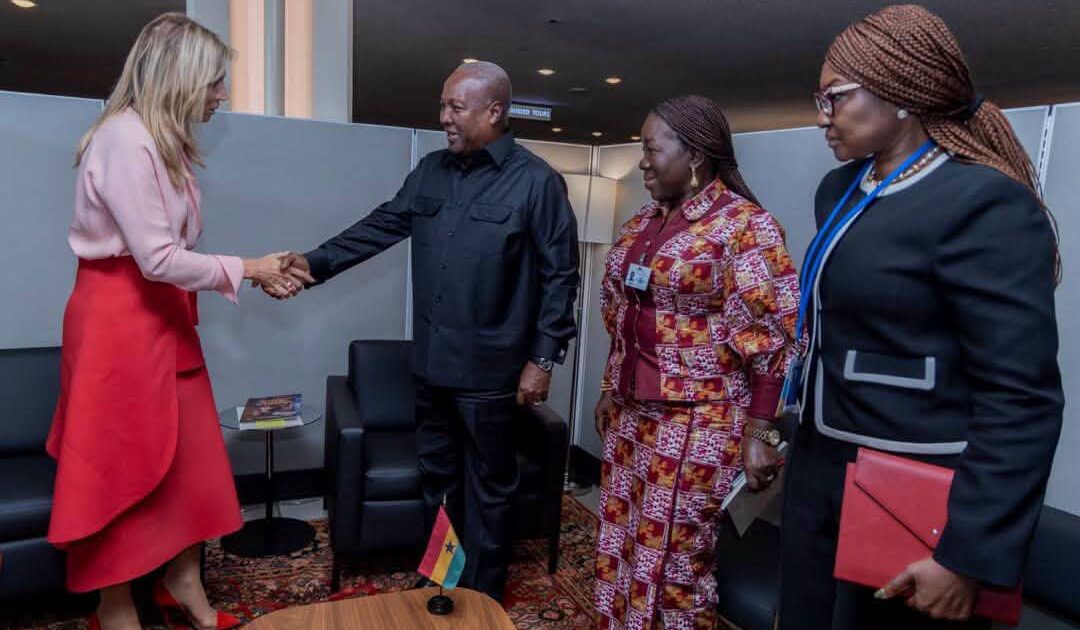
Joyce Bawah Mogtari: Ghana Financial System Reform for Women Credit Urged
Summary
- Joyce Bawah Mogtari advocated for significant reforms to Ghana's financial system to improve women's access to capital.
- In Q2 2026, women and women-owned businesses accounted for 82.8% of secured credit transactions but received only GH¢3.1 billion.
- Male borrowers and male-owned businesses received GH¢19.4 billion in secured credit during the same period.
- Mogtari proposed solutions including more affordable loans, flexible collateral, and the establishment of a Women's Bank.
- She stressed that investing in women must be central to Ghana's development agenda for inclusive economic growth.
Call for Financial System Reform
If the nation is genuinely committed to constructing inclusive, resilient, and prosperous economies, then prioritizing investment in women cannot be an afterthought.
Joyce Bawah Mogtari, who serves as Senior Presidential Advisor and Aide to President John Dramani Mahama, has advocated for substantial reforms within Ghana's financial system. Her call, articulated in a Facebook post on Thursday, October 8, 2026, emphasizes the critical need to enhance access to capital for women and businesses they own. Mogtari highlighted that despite women's increasing engagement with formal financial services, this participation has not yet translated into equitable access to funding, favorable lending terms, or opportunities for business expansion.
Citing figures from the second quarter of 2026, Mogtari pointed out a significant disparity in Ghana's secured credit landscape. Women and women-owned enterprises were involved in 82.8% of all secured credit transactions during this period. However, the total secured credit they received amounted to only GH¢3.1 billion. In stark contrast, male borrowers and male-owned businesses secured a much larger sum, receiving GH¢19.4 billion. This data underscores a substantial gender disparity in credit allocation, despite women's high transactional involvement.
Mogtari's analysis reframes the discussion, moving beyond mere participation to question the system's efficacy. She posed whether the financial system is adequately providing women with the necessary capital, terms, and opportunities for growth, rather than just focusing on their presence within it. This perspective highlights a fundamental challenge in Ghana's financial inclusion efforts, particularly concerning women's capital and the broader Ghana financial system reform for women credit.
Addressing the Gender Financing Gap
To bridge this significant gender financing gap in Ghana, Joyce Bawah Mogtari outlined several key areas for intervention. She specifically called for the provision of more affordable loans, the implementation of flexible collateral requirements, and improved access to patient capital. Furthermore, Mogtari stressed the importance of offering deliberate and targeted support for industries predominantly led by women, recognizing their unique needs and potential for growth.
A crucial component of these proposed reforms is the establishment of a Women's Bank Ghana. Mogtari identified this initiative as a vital step in comprehensive efforts to tackle the existing financing disparities. Such a bank would be designed to cater specifically to the financial needs of women, potentially offering tailored products and services that address the systemic barriers they currently face in accessing credit.
These measures are intended to foster an environment where Ghana financial inclusion for women businesses can truly thrive. By addressing the structural impediments to credit access, the reforms aim to ensure that women's economic contributions are fully supported and leveraged for national development. The focus on specific financial instruments and institutional support underscores a strategic approach to empowering women entrepreneurs and closing the credit gap.
Why Investment in Women Matters
Mogtari firmly asserted that investment in women must occupy a central position within Ghana's overarching development agenda. She articulated that if the nation is genuinely committed to constructing inclusive, resilient, and prosperous economies, then prioritizing investment in women cannot be an afterthought. Instead, it must form the very core of the country's development strategy.
This perspective underscores the profound economic and social benefits that accrue from empowering women financially. By ensuring women-owned businesses have equitable access to capital and resources, Ghana can unlock significant economic potential, foster innovation, and create more sustainable growth. The current Ghana secured credit gender disparity represents not just an equity issue, but also a missed economic opportunity for the nation as a whole.
Ultimately, the argument is that a financial system that effectively serves women's capital needs is indispensable for achieving broader national development goals. The call for reform is therefore not merely about fairness, but about strategically positioning Ghana for a more robust and equitable economic future, where the contributions of all citizens, particularly women, are fully realized.
Practical Implications
Lawyers advising financial institutions or women-owned businesses in Ghana should monitor the proposed reforms to the financial system, particularly those advocating for improved credit access for women, as these could lead to new regulations, lending requirements, or government-backed initiatives like the Women's Bank. Compliance officers in financial services should anticipate potential legislative changes aimed at addressing the gender financing gap and prepare for evolving compliance standards related to equitable lending practices.
Source
How does this affect you?
Get an AI analysis of this article grounded in your jurisdictions, practice areas, and any policy documents you've uploaded to Wansom.
Finish Reading the Full Story and the Expert Analysis.
Get the latest legal & regulatory intelligence in Ghana
Wansom is AI and can make mistakes.