
Ghana MMDAs Mandated: 20% IGF for Capital Projects
Summary
- Ghanaian Metropolitan, Municipal, and District Assemblies (MMDAs) must allocate at least 20% of their Internally Generated Funds (IGF) to capital projects.
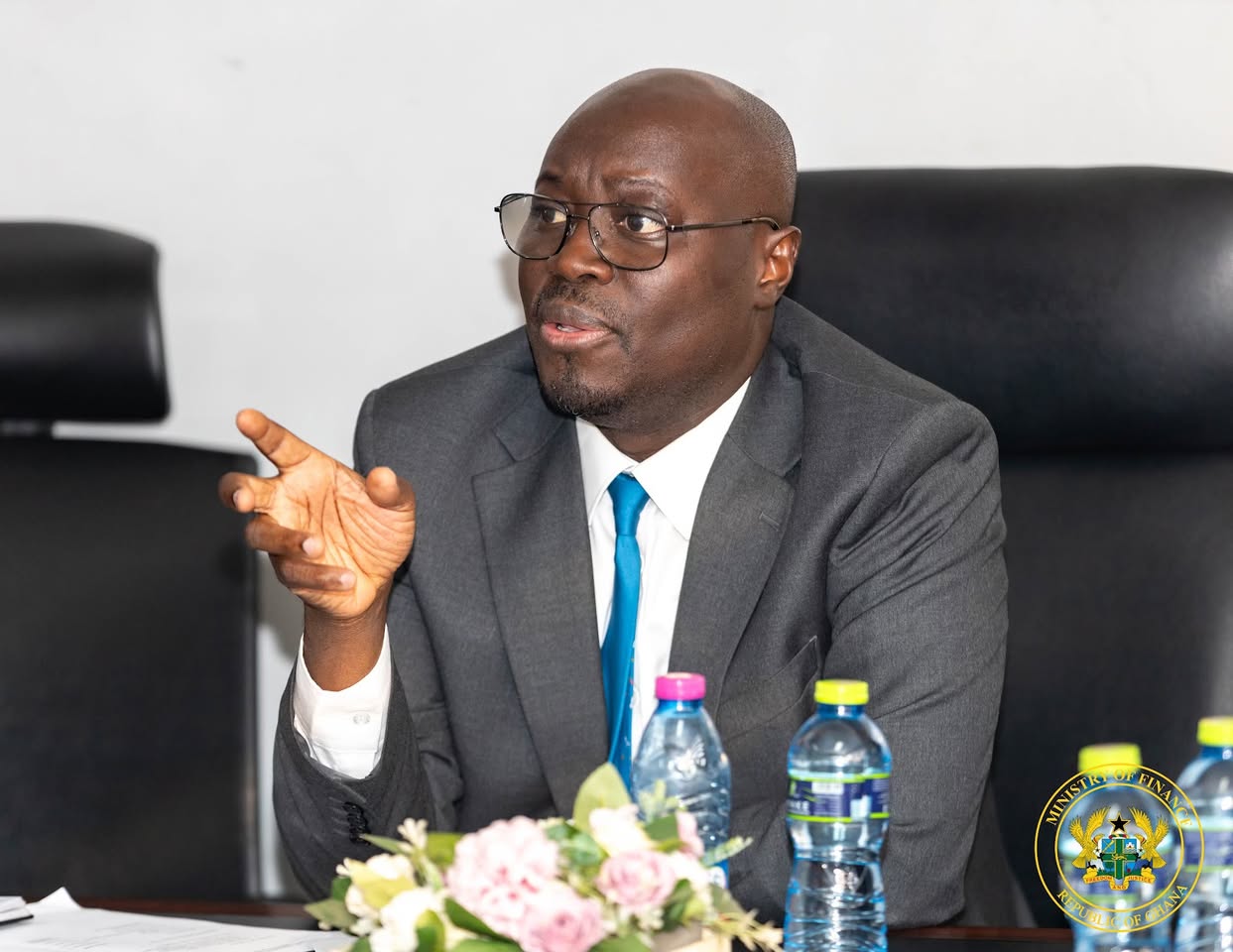
- This directive, issued by Finance Minister Dr. Cassiel Ato Forson, is a key requirement for the 2027–2030 Composite Budgets.
- MMDAs are mandated to prepare their budgets using the GIFMIS Budget Module and prioritize existing financial obligations before new projects.
- All procurement processes must be conducted through the Ghana Electronic Procurement System to ensure transparency.
- Local assemblies are encouraged to strengthen IGF, leverage the 24-Hour Economy initiative, and ensure projects have clear, measurable outcomes for citizens.
New Directive for Local Government Spending
MMDAs must address ongoing and completed projects with outstanding financial obligations before initiating any new ventures.
Ghana's Metropolitan, Municipal, and District Assemblies (MMDAs) have received a significant directive from the Ministry of Finance: a mandatory allocation of at least 20% of their Internally Generated Funds (IGF) must be dedicated to capital projects. This crucial instruction, issued by Finance Minister Dr. Cassiel Ato Forson, aims to ensure that local government spending directly benefits citizens and addresses pressing community development needs. The policy is a foundational requirement for the preparation of the 2027–2030 Composite Budgets, underscoring a strategic shift towards more impactful utilization of limited public resources for enhanced service delivery.
The directive was formally announced during the Northern Regional Composite Budget Hearings held in Tamale on October 16, 2026, where Dr. Forson's speech was delivered on his behalf. These hearings served as a critical forum to evaluate the performance of various MMDAs, review their development priorities, and ensure that national government policies are effectively translated into practical, well-structured, and implementable programs at the local level. Several assemblies, including Nanton, Sagnarigu, Gushegu, Yendi, and Tatali-Sangule MMDAs, presented their financial plans, detailing their 2026 budget implementation, revenue and expenditure forecasts, ongoing projects, and proposed interventions for the upcoming 2027–2030 period.
Enhanced Financial Management and Procurement
Beyond the core requirement for Ghana MMDAs 20% IGF capital projects, the Finance Minister outlined stringent guidelines for financial management and procurement processes. All Metropolitan, Municipal, and District Assemblies are mandated to prepare and capture their 2027–2030 Composite Budgets using the Ghana Integrated Financial Management Information System (GIFMIS Budget Module). This digital platform is intended to streamline financial reporting and enhance transparency across all local government operations, reinforcing principles of sound Ghana public financial management.
A key emphasis was placed on prioritizing existing commitments; MMDAs must address ongoing and completed projects with outstanding financial obligations before initiating any new ventures. Furthermore, budget proposals are expected to strictly adhere to approved ceilings and present realistic estimates for both revenue generation and expenditure. To bolster accountability and efficiency in public spending, Dr. Forson also directed that all procurement activities be conducted exclusively through the Ghana Electronic Procurement System, ensuring a standardized and transparent approach to acquiring goods and services.
Strategic Development and Measurable Impact
The directive extends beyond mere financial allocation, encompassing broader strategic imperatives for local development. Dr. Forson urged MMDAs to actively strengthen their Internally Generated Funds Ghana base and to formulate innovative strategies to capitalize on opportunities presented by the government’s 24-Hour Economy initiative. This push for increased self-sufficiency and economic engagement aims to diversify revenue streams and foster sustainable growth within local communities.
Crucially, the Minister stressed that all programs and projects proposed within the composite budgets must feature clear, measurable outcomes designed to tangibly improve the lives of citizens. This focus on impact-driven initiatives is central to the overall vision. Additionally, MMDAs and Regional Coordinating Councils were encouraged to integrate relevant HIV interventions into their development plans, allocating necessary resources for their effective implementation. Mr. Sumaila Ewuntomah Abudu, Acting Chief Director of the Northern Regional Coordinating Council, acknowledged the commitment demonstrated by the MMDAs during the exercise, highlighting the collaborative effort required for successful implementation of these new guidelines.
Practical Implications
Lawyers advising MMDAs or entities seeking public contracts in Ghana should note the mandatory 20% IGF allocation to capital projects for 2027-2030 composite budgets. This directive impacts project prioritization, funding compliance, and procurement processes, requiring careful review of budget proposals and adherence to systems like GIFMIS and the Ghana Electronic Procurement System.
Source
How does this affect you?
Get an AI analysis of this article grounded in your jurisdictions, practice areas, and any policy documents you've uploaded to Wansom.
Finish Reading the Full Story and the Expert Analysis.
Get the latest legal & regulatory intelligence in Ghana
Wansom is AI and can make mistakes.