
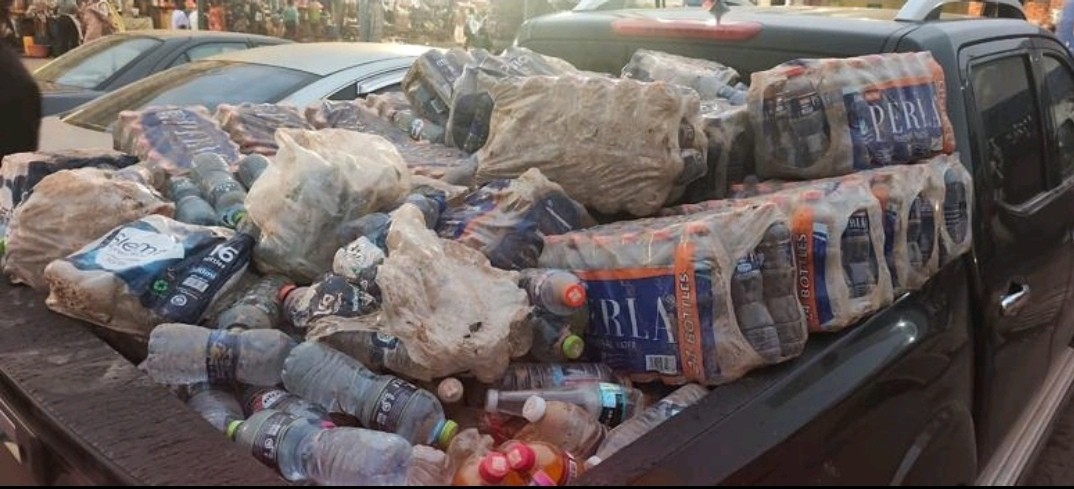
Ghana FDA: Seizes Flood-Damaged Drinks for Illicit Resale
Summary
- Ghana's Food and Drugs Authority recently seized approximately a truckload of flood-damaged bottled water and soft drinks in Accra.
- The products were found at a Bubiashie residence, allegedly being washed and repackaged for resale after a distributor's Alajo shop was flooded.
- The FDA warns that consuming such items poses severe health risks, including cholera and typhoid, due to contamination from floodwaters.
- Under the Public Health Act, 2012 (Act 851), selling contaminated food is prohibited, empowering the FDA to seize products and prosecute offenders.
- Businesses are mandated to quarantine flood-affected stock and notify the FDA for safe disposal, with non-compliance leading to legal sanctions.
Major Seizure Targets Flood-Damaged Beverages
The Authority has unequivocally stated that washing the exterior of a bottle or a shrink-wrapped package does not render the contents safe, as caps, seals, and packaging are easily compromised when submerged in floodwater.
Ghana's Food and Drugs Authority (FDA) has recently confiscated a substantial quantity, estimated at about a truckload, of bottled water and soft drinks in Accra. These products, which had been compromised by recent floods, were reportedly undergoing washing and repackaging for illicit resale. The operation stemmed from consumer complaints alleging that flood-affected beverages were being cleaned at a private residence in Bubiashie with the intent to reintroduce them into the market.
Investigations by the FDA confirmed that the seized items, including bottled water and various soft drinks, were visibly caked in mud, with both the containers and their packaging showing clear signs of floodwater damage. The affected stock originated from a beverage distributor's shop in Alajo, which had been inundated during the recent heavy rains. All products discovered at the Bubiashie location were immediately impounded by the FDA to ensure their safe and proper disposal.
Parallel to the FDA's actions, the Ghana Police Service at Kaneshie also received a similar complaint regarding flood-damaged items. Police intervention led to the arrest of the product owner, who has since been released on bail, and the seizure of a comparable volume of the contaminated goods. This coordinated response underscores the severity with which authorities are treating the issue of compromised food and beverage products following natural disasters.
Grave Public Health Concerns
The FDA has issued a stern warning regarding the profound public health risks associated with consuming flood-damaged products. Floodwater is inherently dangerous, carrying a hazardous cocktail of sewage, refuse, and various other contaminants. The Authority has unequivocally stated that washing the exterior of a bottle or a shrink-wrapped package does not render the contents safe, as caps, seals, and packaging are easily compromised when submerged in floodwater.
Consuming such contaminated items poses a significant and immediate threat of severe water-borne diseases, including cholera, typhoid fever, and dysentery. To safeguard public health, the FDA has advised consumers to exercise extreme caution. Individuals should avoid purchasing any products exhibiting mud stains, watermarks, or labels that appear stained, peeling, or discoloured. Furthermore, the public is urged to be wary of beverages sold from unusual locations or hawked in bulk without a clear, traceable source, emphasizing the importance of purchasing only from reputable and licensed outlets.
Any food or drink stock, whether found in homes or commercial establishments, that has been affected by floodwater must be safely disposed of. This directive is critical to prevent the spread of illness and uphold Ghana's food safety regulations.
Legal Mandate and Business Obligations
The legal framework governing such incidents is robust, primarily rooted in the Public Health Act, 2012 (Act 851). This legislation explicitly prohibits any individual from selling, offering for sale, or distributing food that is contaminated, unwholesome, or otherwise unfit for human consumption. Under the provisions of this Act, the FDA is fully empowered to seize such hazardous products and initiate prosecution against offenders.
In light of the recent floods, the FDA has issued a direct and unambiguous warning to manufacturers, distributors, and retailers whose stock may have been compromised. These businesses are strictly prohibited from washing, repackaging, relabeling, or attempting to resell any flood-affected products. Instead, any such stock must be immediately quarantined, and the nearest FDA office must be notified. This notification allows the Authority to verify the contamination and oversee the safe disposal of the items, ensuring compliance with Ghana food safety regulations.
Failure to adhere to these directives constitutes a serious offense under the Public Health Act, 2012 (Act 851), and will result in the full application of legal sanctions. This firm stance highlights the critical responsibility of businesses in maintaining public health standards, particularly in the aftermath of environmental disasters.
Sustained Enforcement and Community Role
The FDA has affirmed its commitment to maintaining rigorous surveillance and enforcement activities across all flood-affected areas. This ongoing vigilance is crucial for protecting public health and safety against the risks posed by contaminated food and beverage products. The Authority's proactive measures aim to deter illicit practices and ensure that only safe products reach consumers.
Crucially, the FDA also relies on active public participation to bolster its enforcement efforts. Members of the community are strongly encouraged to report any instances of flood-affected food or drinks being sold. Such reports can be made directly to the FDA, the Ghana Police Service, or through the Authority's official contact numbers, 0551112224 and 0551112225. This collaborative approach between regulatory bodies and the public is vital in upholding Ghana's food safety standards and preventing health crises.
Practical Implications
Businesses in Ghana's food and beverage sector, particularly distributors and retailers, must be aware of strict FDA enforcement under the Public Health Act, 2012 (Act 851) regarding the disposal of flood-damaged products. Compliance officers should review internal protocols for handling contaminated stock and ensure immediate notification to the FDA to avoid seizures and prosecution.
Source
How does this affect you?
Get an AI analysis of this article grounded in your jurisdictions, practice areas, and any policy documents you've uploaded to Wansom.
Wansom is AI and can make mistakes.