
Ghana Security: Act 999 Online Vigilante Mobilization Shifts Digital
Summary
- Ghana's National Security Coordinator, COP Osman Abdul Razak, warned that political vigilante mobilization is increasingly shifting to online platforms and encrypted communication channels.
- Despite a decline in visible organized vigilante groups since the 2019 passage of Act 999, the underlying threat persists as groups rebrand and operate through less formal networks.
- COP Osman acknowledged limited prosecutions and slow legal processes under the Vigilantism and Related Offences Act 2019, but affirmed the State's unwavering commitment to enforcement.
- Security agencies are urged to adapt their monitoring strategies to address these evolving online tactics, ensuring consistent application of the law.
- The National Security Coordinator stressed that the law will be enforced without bias to safeguard Ghana's peace and democratic stability.
Evolving Threat Landscape
The commitment to consistent application is crucial to ensure the law's deterrent effect is not eroded by perceptions of selective or weak enforcement.
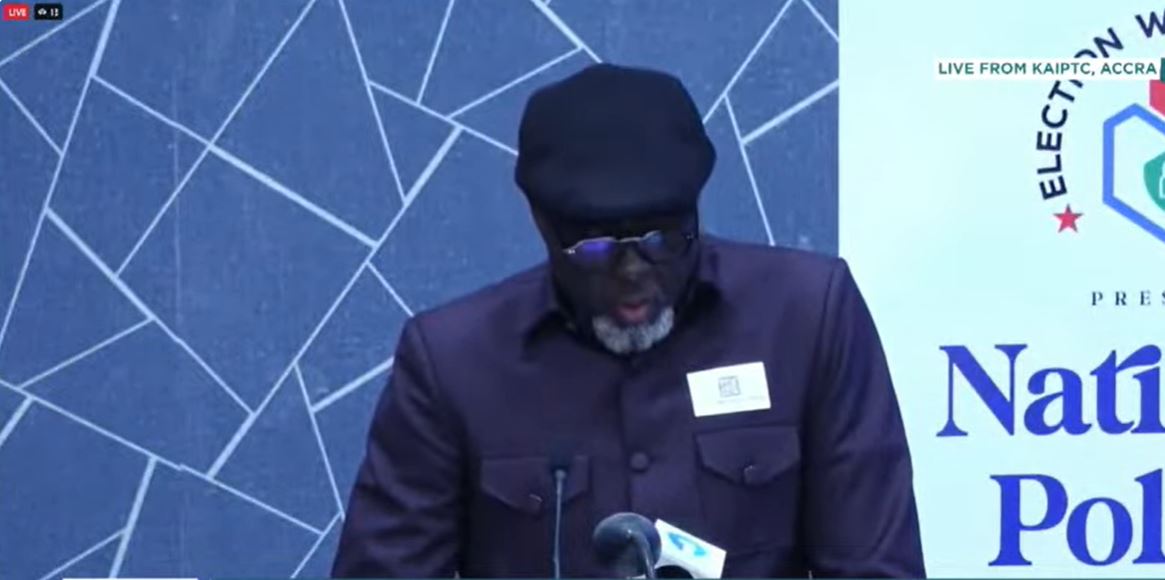
COP Osman Abdul Razak, Ghana's National Security Coordinator, recently issued a stark warning regarding the evolving nature of political vigilantism within the nation. He highlighted a significant shift in how these groups mobilize, moving away from overt, organized structures towards more clandestine methods, particularly leveraging digital platforms. This transformation presents new challenges for national security, even as the visible presence of traditional vigilante organizations has diminished following the enactment of the Vigilantism and Related Offences Act, 2019.
The Coordinator noted that while the passage of Act 999 has led to a reduction in the public visibility of these groups, the underlying threat of vigilantism has not been eradicated. Instead, these entities are demonstrating adaptability by altering their identities and adopting less formal operational frameworks. COP Osman underscored that a vigilante group retains its fundamental nature, irrespective of its chosen name, uniform, or public image, signaling that rebranding efforts do not absolve them of their unlawful activities.
Some groups are now operating under new guises, presenting themselves as internal security teams, volunteer task forces, or community security initiatives. Others have fragmented into looser, less discernible networks, making their identification and tracking by security agencies considerably more complex. This strategic evolution necessitates a re-evaluation of monitoring and enforcement approaches to effectively counter the rebranded and digitally-enabled forms of Ghana online political vigilantes.
The Digital Frontier of Vigilantism
A critical aspect of this evolving threat is the increasing reliance on online channels for mobilization. COP Osman Abdul Razak specifically pointed to social media platforms, encrypted chat applications, and various other informal communication avenues as the new battlegrounds for vigilante recruitment and coordination. This digital migration allows groups to operate with greater anonymity and reach, complicating traditional intelligence gathering and intervention methods. The shift towards online vigilante mobilization represents a significant challenge for law enforcement in Ghana.
The National Security Coordinator elaborated that these informal channels extend beyond widely recognized social media, encompassing local dispute networks and targeted security arrangements. This dispersed and often covert digital presence makes it exceedingly difficult for security agencies to monitor and disrupt their activities effectively. The less visible nature of these networks means that traditional surveillance techniques are often inadequate, requiring a sophisticated adaptation of security strategies to address the emerging forms of online political vigilantism.
The imperative for security agencies to adapt their monitoring and enforcement strategies is clear. The traditional methods designed to counter physically organized groups are proving less effective against these digitally native and rebranded entities. Addressing this new frontier of Ghana Act 999 online vigilante mobilization demands innovative approaches to intelligence, digital forensics, and community engagement to prevent these groups from undermining public safety and democratic processes.
Enforcement and State Resolve
Despite the robust legal framework provided by the Vigilantism and Related Offences Act, 2019 (Act 999), COP Osman Abdul Razak acknowledged that its enforcement has faced certain hurdles. He openly stated that prosecutions under Act 999 enforcement Ghana have been limited, and some legal processes have experienced delays. However, he firmly asserted that these challenges should not be misconstrued as a lack of commitment from the State to uphold the law.
The National Security Coordinator emphasized the government's unwavering resolve, declaring that "the law exists, and it shall be enforced fairly without fear or favour." This statement serves as a clear signal that the State intends to apply the provisions of Act 999 consistently across all forms of vigilantism, regardless of their operational guise or digital footprint. The commitment to consistent application is crucial to ensure the law's deterrent effect is not eroded by perceptions of selective or weak enforcement.
COP Osman warned against the dangers of perceived leniency, explaining that if enforcement is seen as weak, selective, or excessively delayed, it could significantly undermine the law's intended deterrent impact. Therefore, the call for consistent and fair application of the Vigilantism and Related Offences Act is not merely a procedural matter but a fundamental requirement for maintaining public trust and ensuring that the legal framework effectively addresses the evolving threat of Ghana online political vigilantes.
Implications for Peace and Stability
The persistent and evolving threat of political vigilantism, particularly its migration to online platforms, poses a significant risk to Ghana’s peace and democratic stability. The National Security Coordinator highlighted that the unchecked proliferation of these groups, even in their rebranded and less visible forms, could have detrimental effects on the nation's social cohesion and political processes. The integrity of democratic institutions relies heavily on the absence of such unlawful, self-appointed enforcement bodies.
To safeguard these vital aspects of national life, COP Osman Abdul Razak reiterated the critical need for the Vigilantism and Related Offences Act to be applied with unwavering consistency and fairness. This consistent application of Act 999 enforcement Ghana is deemed essential to prevent emerging forms of political vigilantism from gaining traction and ultimately destabilizing the country. The law's effectiveness hinges on its uniform implementation across all segments of society and against all manifestations of vigilantism.
The warning from the National Security Coordinator serves as a crucial reminder that the fight against vigilantism is ongoing and requires continuous adaptation from security agencies. The State's commitment to enforcing Act 999, despite the complexities of online mobilization and rebranding, is paramount to ensuring that Ghana's democratic gains are protected from the insidious influence of these unlawful groups, whether they operate in plain sight or through encrypted digital channels.
Practical Implications
Lawyers and compliance officers should advise clients that despite the Vigilantism and Related Offences Act, 2019, the threat of political vigilantism persists and is evolving online. While enforcement has been slow, the National Security Coordinator's warning signals the State's commitment to apply the law consistently, meaning increased scrutiny and potential future enforcement actions against online activities related to rebranded vigilante groups.
Source
How does this affect you?
Get an AI analysis of this article grounded in your jurisdictions, practice areas, and any policy documents you've uploaded to Wansom.
Wansom is AI and can make mistakes.