
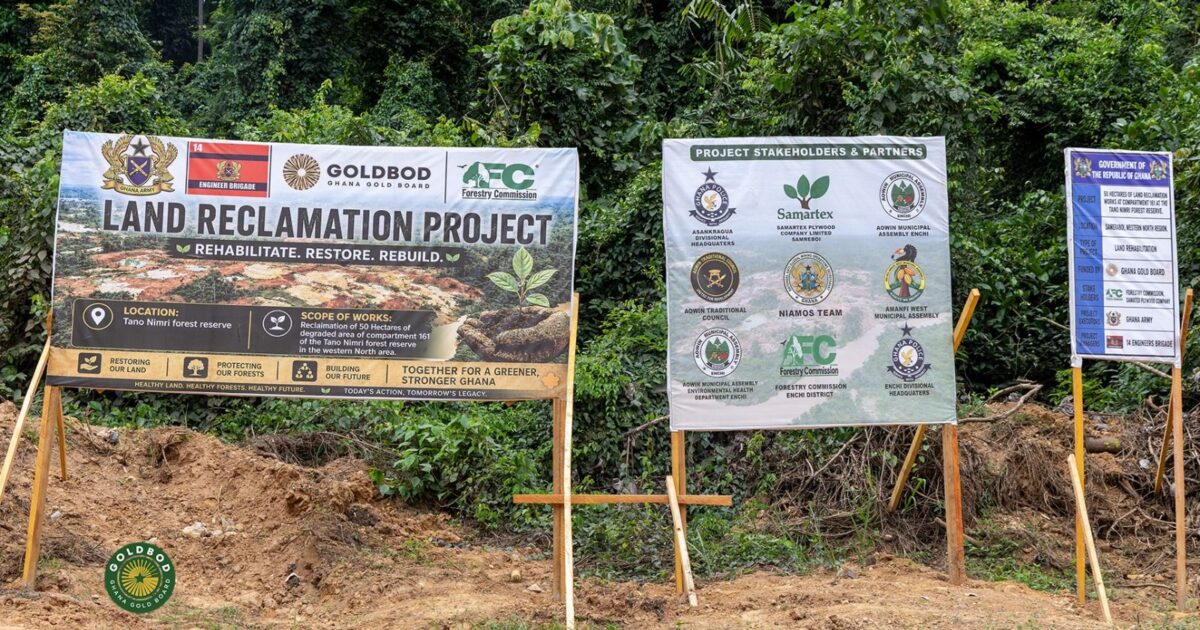
Ghana EPA: Unpermitted Reclamation Dredging Halted Nationwide
Summary
- Ghana's Environmental Protection Authority (EPA) has ordered an immediate halt to all unpermitted land reclamation, dredging, and environmental restoration projects nationwide.
- The directive, issued on October 14, 2026, targets activities lacking the required EPA environmental permits and regulatory oversight.
- Affected operators must report to an EPA office for assessment, covering projects like mine-site rehabilitation and river dredging.
- The EPA warns that continued unpermitted operations will result in legal action under Ghanaian law.
- The Authority supports restoration efforts but insists on proper safeguards to prevent further environmental damage.
What Happened
The Environmental Protection Authority (EPA) in Ghana has issued a nationwide directive, effective October 14, 2026, mandating an immediate cessation of all land reclamation, dredging, and environmental restoration projects currently operating without the necessary environmental permits.
The Environmental Protection Authority (EPA) in Ghana has issued a nationwide directive, effective October 14, 2026, mandating an immediate cessation of all land reclamation, dredging, and environmental restoration projects currently operating without the necessary environmental permits. This significant order from the Environmental Protection Authority Ghana directive specifically targets entities engaged in such activities across the country that lack proper authorization from the regulatory body.
The EPA's statement explicitly instructs all organizations involved in reclamation, dredging, rehabilitation, or restoration work without the required EPA Environmental Permit to cease operations immediately. This comprehensive directive encompasses a wide array of activities, including mine-site rehabilitation, the backfilling of excavated areas, and the restoration of abandoned mining sites. Furthermore, it extends to river dredging and desilting operations, as well as any interventions impacting wetlands and other aquatic ecosystems.
Regulatory Context
The decision by the EPA stems from a growing concern over an observed increase in such projects being undertaken without the requisite permits and regulatory oversight. The Authority emphasized that while it supports initiatives aimed at restoring land and water bodies damaged by illegal and irresponsible mining practices, the urgency of these restoration efforts does not justify bypassing established safeguards. These safeguards are crucial to prevent the very restoration work from inadvertently causing additional environmental destruction.
The directive applies universally, covering projects that are government-sponsored, privately funded, or supported by international donors. Operators affected by this order are required to report promptly to either the nearest EPA Regional Office or the Authority's Head Office for a comprehensive regulatory assessment. This measure underscores the EPA's commitment to enforcing Ghana environmental permits dredging and Ghana land reclamation regulations, ensuring all activities comply with national environmental standards.
Legal Implications and Environmental Imperative
The Environmental Protection Authority Ghana directive carries a stern warning for non-compliance. Any individual or entity found to be continuing unpermitted operations after the issuance of this notice will face legal action under applicable Ghanaian law. This firm stance highlights the EPA's resolve to uphold environmental regulations and deter unauthorized activities that could jeopardize Ghana's natural resources.
The EPA's order, effectively an EPA Ghana cease operations order, is a critical step in reinforcing the importance of environmental due diligence across all sectors. It serves as a reminder that even projects with seemingly beneficial intentions, such as mine-site rehabilitation Ghana EPA efforts, must adhere to strict environmental protocols. The Authority's overarching goal is to ensure that all development and restoration activities contribute positively to environmental sustainability, rather than inadvertently exacerbating existing ecological challenges through a lack of proper planning and authorization.
Practical Implications
Lawyers must advise clients engaged in land reclamation, dredging, rehabilitation, or restoration projects in Ghana to immediately verify they possess the requisite EPA environmental permits. Non-compliant operations must cease immediately, and affected operators should report to the EPA to avoid legal action under Ghanaian law.
Source
How does this affect you?
Get an AI analysis of this article grounded in your jurisdictions, practice areas, and any policy documents you've uploaded to Wansom.
Finish Reading the Full Story and the Expert Analysis.
Get the latest legal & regulatory intelligence in Ghana
Wansom is AI and can make mistakes.