
Ghana Embassy Staff Extorted $19.4m from Visa Applicants: Audit
Summary
- A forensic audit revealed an elaborate scheme at the Ghana Embassy in Washington, D.C., where staff extorted $19.4 million from visa and passport applicants between 2019 and 2025.
- The scam involved charging applicants for return postage and additional support services through websites created to mimic the Embassy's official website.
- Senior embassy officials were found to be complicit in the activities of Fred Kwarteng, the former IT Officer at the embassy.
What Happened
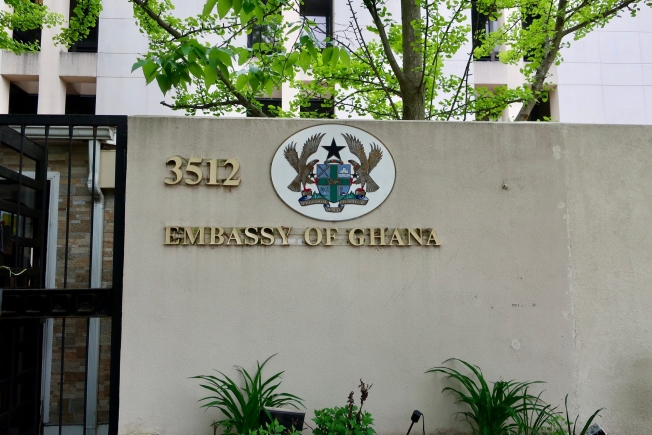
The audit proved that Ghanapv.org , created in September 2020, replicated official Embassy branding by using Ghana’s Coat of Arms, the name ‘Embassy of Ghana,’ and official contact details.
A forensic audit by the Auditor-General has uncovered an elaborate scheme at the Ghana Embassy in Washington, D.C., where staff extorted millions of dollars from visa and passport applicants between 2019 and 2025. The audit revealed that embassy officials designed and generated millions of dollars outside approved charges through various schemes. One such scheme involved charging applicants $29.75 for return postage and additional support services through a website called GhanaPV.Org, which was created in September 2020 to mimic the Embassy's official website. This website operated under several entities linked to Fred Kwarteng, the former IT Officer at the embassy, who was dismissed in May 2025. The audit also found that another website, TravelGhana.net, was used to charge applicants for mailing and application support services between 2021 and 2024.
Legal Context
The Auditor-General's report highlights the complicity of senior embassy officials in the activities of Fred Kwarteng. Following the audit, Fred Kwarteng was dismissed in May 2025, and the case has been referred to Ghana's Attorney-General and the Economic and Organised Crime Office (EOCO) for further investigation and possible prosecution. Email correspondence and internal records show that these officials enabled Kwarteng's schemes through financial and consular channels. The Chief Treasury Officer was involved in welfare account transactions, payment arrangements, and operational coordination with Kwarteng's associated entities. The Minister (Consular) also participated in communications where private entities linked to Kwarteng handled dispatch services and courier arrangements. These interactions occurred between 2020 and 2024 and demonstrate sustained engagement between the officers and Kwarteng's private platforms.
Why It Matters
The scandal at the Ghana Embassy in Washington, D.C., led to its temporary closure in May 2025, the recall of all Foreign Ministry staff, and the suspension of locally recruited staff. The embassy has since reopened with the appointment of a new Ambassador in September 2025. This highlights the potential for similar scams at other embassies. Lawyers should be aware of this risk and advise clients to verify official websites and payment channels to avoid falling victim to such schemes. The total amount of illegal funds generated from 2019 to 2025 is estimated to be $19.4 million, making it essential for authorities to take swift action against those involved in the scandal. Furthermore, the complicity of senior embassy officials raises questions about the effectiveness of internal controls and oversight mechanisms at the embassy.
Practical Implications
Lawyers should be aware of the potential for similar scams at other embassies and advise clients to verify official websites and payment channels to avoid falling victim to such schemes.
Source
How does this affect you?
Get an AI analysis of this article grounded in your jurisdictions, practice areas, and any policy documents you've uploaded to Wansom.
Wansom is AI and can make mistakes.