
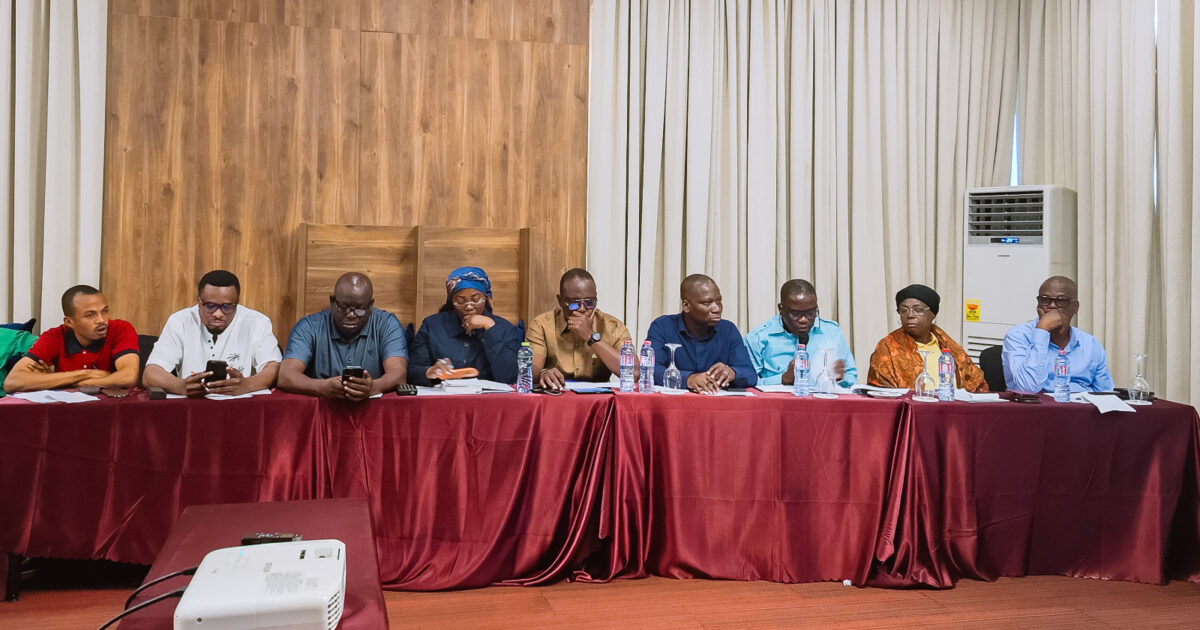
Parliamentary Committee: Ghana DACF Sanitation Fund Insufficient
Summary
- The Parliamentary Select Committee on Sanitation and Water Resources has called for increased and sustainable funding for sanitation in Ghana.
- The committee stated that the current 10% allocation from the District Assemblies Common Fund (DACF) is insufficient to address the nation's sanitation challenges.
- Despite the inadequacy of the amount, the committee expressed satisfaction with how the existing DACF sanitation funds have been utilized.
- The DACF's 10% allocation currently supports important interventions but does not meet the comprehensive needs for Ghana's sanitation sector.
Parliamentary Committee Flags Insufficient Sanitation Funding
The problem, as articulated by the parliamentary group, is not one of improper spending, but rather a systemic under-resourcing that prevents comprehensive and lasting solutions to the nation's pressing sanitation needs.
The Parliamentary Select Committee on Sanitation and Water Resources has issued a significant call for a substantial increase in financial commitments towards Ghana's sanitation sector. The legislative body, tasked with overseeing critical environmental and water issues, has highlighted a critical shortfall in current funding mechanisms. Specifically, the committee points to the 10 percent allocation derived from the District Assemblies Common Fund (DACF), acknowledging its role in supporting various crucial initiatives across the nation. Despite these positive contributions, the committee firmly asserts that this existing level of financial provision is inadequate to effectively tackle the widespread and complex sanitation challenges confronting Ghana. This declaration underscores a growing concern within parliamentary circles regarding the long-term sustainability and efficacy of current approaches to environmental health.
Ghana's DACF and Sanitation Allocation
Ghana's District Assemblies Common Fund (DACF) serves as a vital financial artery for local governance, channeling a portion of national revenue directly to district assemblies to support development initiatives. A specific mandate dictates that 10 percent of this fund be dedicated to sanitation and water resources, forming a cornerstone of local government finance for environmental services. This allocation is designed to empower district assemblies to implement projects ranging from waste management infrastructure to public health campaigns, thereby addressing localized sanitation concerns. The mechanism is intended to ensure that a consistent stream of funding is available for these essential services at the grassroots level, reflecting the decentralized approach to national development.
However, the Parliamentary Select Committee on Sanitation and Water Resources has now brought into sharp focus the limitations of this established financial structure. While acknowledging that the 10 percent allocation from the DACF does indeed facilitate important interventions, the committee's recent pronouncement indicates a consensus that this amount is simply not commensurate with the scale of the sanitation crisis in Ghana. This perspective suggests that despite the DACF's foundational role in supporting local development, its current earmarking for sanitation falls short of what is required to achieve significant, nationwide improvements. The call for increased and sustainable funding therefore implies a need to re-evaluate the sufficiency of this statutory allocation within the broader context of Ghana's fiscal policy and development priorities.
Why Increased Funding is Critical for Ghana's Sanitation
The parliamentary committee's assertion that the current 10 percent DACF allocation is insufficient carries significant implications for public health, environmental sustainability, and national development in Ghana. Inadequate funding for sanitation directly impedes the country's ability to build and maintain essential infrastructure, such as proper waste disposal systems, public latrines, and wastewater treatment facilities. This shortfall can exacerbate existing challenges like open defecation, pollution of water sources, and the spread of preventable diseases, thereby undermining efforts to improve the quality of life for Ghanaian citizens. The call for increased and sustainable funding is therefore not merely a budgetary request but a critical demand for safeguarding public welfare and fostering a healthier environment.
Furthermore, the committee's satisfaction with the utilization of existing funds suggests that the problem lies not in inefficiency or corruption, but in the sheer volume of resources available. This highlights a systemic challenge where dedicated efforts are being made with limited means, preventing a comprehensive and transformative impact. Addressing Ghana's sanitation funding challenges requires a strategic re-evaluation of national priorities and potentially new legislative frameworks to ensure that the financial commitment aligns with the magnitude of the problem. Without a more robust and consistent financial injection, the nation risks falling further behind in achieving its sanitation goals, with long-term consequences for economic productivity and social equity.
Practical Implications
Lawyers advising clients in Ghana's sanitation and water sectors should monitor parliamentary discussions for potential legislative changes or increased funding allocations from the DACF, which could impact project opportunities, tender requirements, or regulatory compliance for environmental services.
Source
How does this affect you?
Get an AI analysis of this article grounded in your jurisdictions, practice areas, and any policy documents you've uploaded to Wansom.
Finish Reading the Full Story and the Expert Analysis.
Get the latest legal & regulatory intelligence in Ghana
Wansom is AI and can make mistakes.