
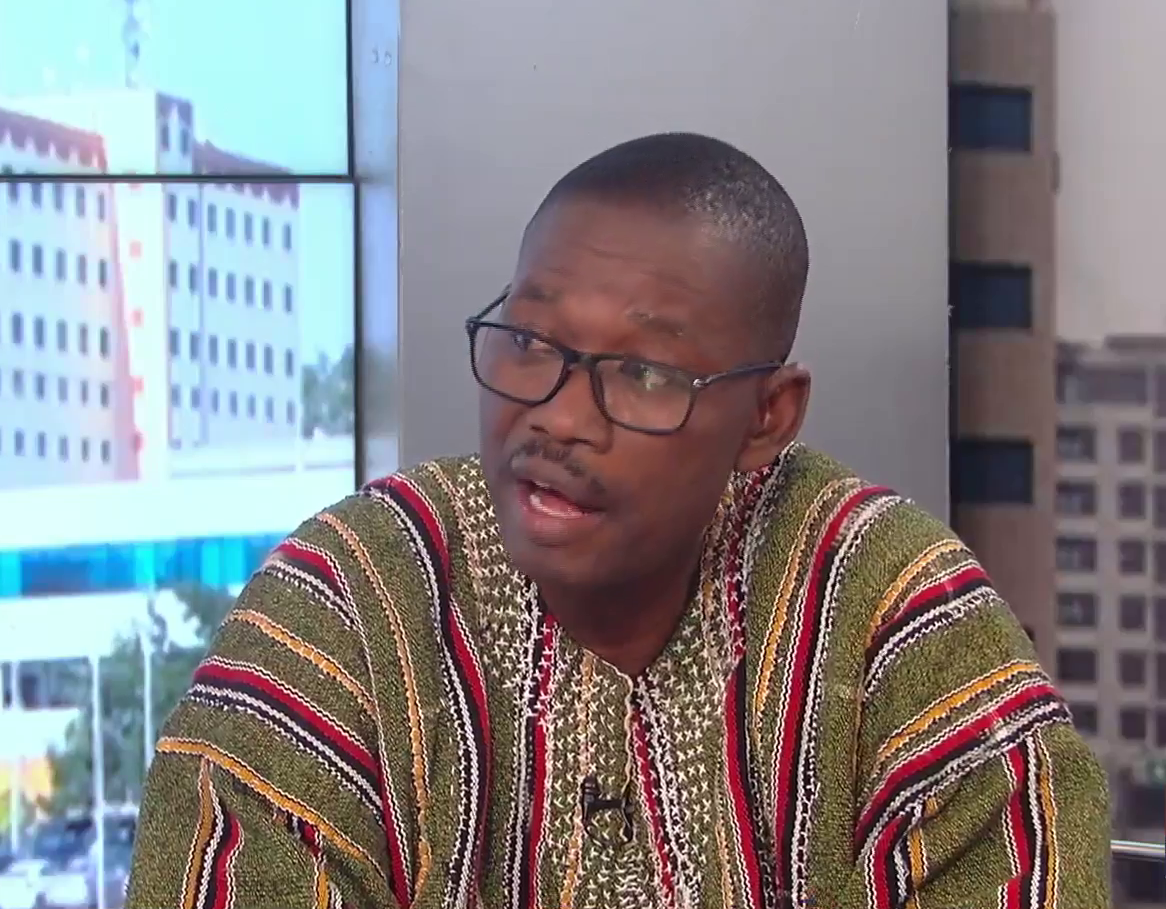
Peter Lanchene Toobu: Rejects Ghana Cocaine Shipment Parliamentary Recall
Summary
- Wa West MP Peter Lanchene Toobu has rejected calls for Parliament to be recalled.
- The proposed recall aimed to investigate a nearly 3.9-tonne cocaine shipment linked to Ghana.
- The Minority in Parliament formally petitioned Speaker Alban Bagbin to convene the House for this investigation.
- Toobu serves as the Vice Chairman of Parliament’s Defence and Interior Committee.
What Happened
The rejection by the prominent legislator signals a potential delay in formal parliamentary oversight regarding a significant drug trafficking incident.
Peter Lanchene Toobu, who serves as the Vice Chairman of Parliament’s Defence and Interior Committee and represents the Wa West constituency as a Member of Parliament, has publicly dismissed recent demands for a parliamentary recall. These calls specifically sought to convene the legislative body to delve into the specifics surrounding a substantial cocaine shipment, estimated at nearly 3.9 tonnes, which has been connected to Ghana. The rejection by the prominent legislator signals a potential delay in formal parliamentary oversight regarding a significant drug trafficking incident.
The impetus for recalling Parliament originated from the Minority caucus within the legislative assembly. This group formally submitted a petition to Speaker Alban Bagbin, urging him to reconvene the House. Their primary objective in seeking this extraordinary session was to initiate a thorough investigation into the circumstances surrounding the massive Ghana cocaine shipment, aiming to uncover how such a large quantity of illicit narcotics became linked to the nation. This move by the Minority underscores their belief in the urgency and national importance of scrutinizing the matter.
Legislative Standoff and Oversight Concerns
The decision by Peter Lanchene Toobu to reject the proposed Ghana cocaine shipment parliamentary recall highlights a clear divergence in opinion within the nation's political landscape regarding the appropriate immediate response to the drug trafficking incident. As a key figure on the Defence and Interior Committee, his stance carries considerable weight, suggesting that, from his perspective, an urgent parliamentary session is not the necessary course of action at this juncture. This position contrasts sharply with the Minority's insistence on immediate legislative scrutiny, which they believe is crucial for maintaining public trust and ensuring accountability.
The petition directed to Speaker Alban Bagbin to recall parliament underscores the procedural mechanism available to legislators when they deem a matter of such gravity requires immediate attention beyond the regular parliamentary calendar. The Minority’s appeal for a recall signifies their view that the Ghana 3.9 tonne cocaine investigation cannot wait, and that robust Ghana drug trafficking parliamentary oversight is essential to address the implications of this significant seizure. The Speaker's role in such a scenario is to consider the petition and determine whether the conditions for an extraordinary session are met, balancing the urgency of the request against other legislative priorities.
Why It Matters
The controversy surrounding the nearly 3.9-tonne cocaine shipment linked to Ghana represents a critical test for the nation's institutions in combating drug trafficking. The sheer volume of the illicit substance involved suggests a sophisticated operation, raising serious questions about national security, border control, and potential complicity. The call for a Ghana cocaine shipment parliamentary recall by the Minority faction reflects a public expectation for transparency and accountability from elected officials in addressing such high-profile criminal activities.
The rejection of the recall by Peter Lanchene Toobu, the Wa West MP, means that the immediate, direct parliamentary investigation into the cocaine shipment will not proceed as requested by the Minority. This outcome could be interpreted in various ways: either that existing investigative bodies are deemed sufficient, or that the timing for parliamentary intervention is not yet appropriate. Nonetheless, the incident itself, and the subsequent political debate over parliamentary oversight, signals ongoing challenges in Ghana's efforts to curb drug trafficking and highlights the need for continuous vigilance and robust institutional responses to protect the nation from organized crime.
Practical Implications
This development indicates a delay in formal parliamentary oversight regarding a significant drug trafficking incident in Ghana. Lawyers advising clients in logistics, trade, or criminal defense should nonetheless monitor for potential future enforcement actions or policy shifts stemming from this high-profile case.
Source
How does this affect you?
Get an AI analysis of this article grounded in your jurisdictions, practice areas, and any policy documents you've uploaded to Wansom.
Finish Reading the Full Story and the Expert Analysis.
Get the latest legal & regulatory intelligence in Ghana
Wansom is AI and can make mistakes.