
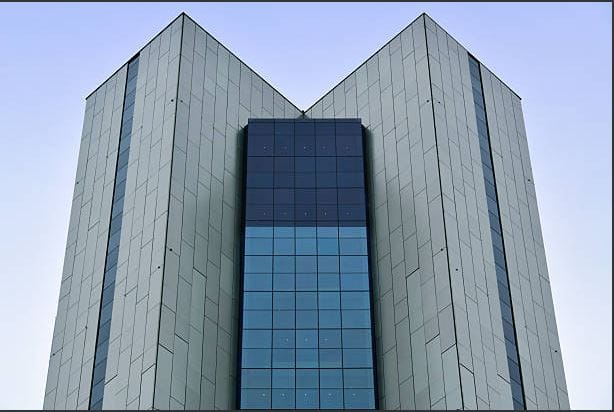
Ghana Central Bank: Holds Interest Rate at 14% Amid Growth, Inflation
Summary
- Ghana's central bank maintained its benchmark interest rate at 14% for the third consecutive meeting in September.
- Inflation rose to 5% in August, primarily due to non-food prices, though it remains significantly lower than the 11.5% recorded a year prior.
- Commercial bank lending rates decreased to 15.9% in August from 24.2% a year earlier, indicating easing borrowing conditions.
- The Ghanaian economy expanded by 6% in the second quarter, supported by services, information and communications technology, and industry.
- The policy rate remains 9 percentage points above annual inflation, suggesting real borrowing conditions are still tight despite falling commercial rates.
Central Bank Maintains Key Rate
The policy rate, held at 14%, maintains a substantial 9-percentage-point gap above the current 5% annual inflation, signaling continued tight real borrowing conditions for the Ghanaian economy.
Ghana's central bank, the Bank of Ghana, has opted to maintain its benchmark interest rate at 14% following the September meeting of its Monetary Policy Committee (MPC). This decision marks the third consecutive time the rate has been held at this level, a move that was unanimously supported by the committee members and largely anticipated by economic analysts. The central bank's stance comes amidst a nuanced economic environment where inflationary pressures are being carefully weighed against broader economic expansion.
The latest figures indicate a slight uptick in inflation, which reached 5% in August, an increase from 4.6% recorded in July. This rise was primarily attributed to non-food prices. Despite this recent increase, the Bank of Ghana noted that overall price pressures remain contained. However, the institution also highlighted several potential risks to the Ghana inflation outlook, including the prospect of higher crude oil prices, adjustments to utility tariffs, and ongoing global supply chain disruptions exacerbated by conflicts in Iran and Ukraine. It is worth noting that the current inflation rate of 5% represents a significant improvement from the 11.5% observed a year earlier.
Economic Performance and Financial Stability
The broader economic landscape provided a mixed but generally positive backdrop for the Bank of Ghana policy rate decision. The Ghanaian economy demonstrated robust growth in the second quarter, expanding by 6%. This growth was primarily fueled by strong performances in the services sector, information and communications technology (ICT), and industry. This figure compares favorably, though slightly lower, than the 6.6% growth recorded in the same period a year prior. Concurrently, both business and consumer sentiment within the country showed improvement.
In terms of financial stability, the central bank reported that commercial lenders remain profitable, liquid, and adequately capitalized, with an observable improvement in asset quality. Furthermore, Ghana's foreign reserves stood at approximately $12 billion as of September 22, providing coverage for about 4.5 months of imports. Notably, borrowing conditions have eased in some respects, with Ghana commercial lending rates falling to an average of 15.9% in August, a significant decrease from 24.2% a year earlier.
Monetary Policy Stance and Future Considerations
The decision to hold the Ghana central bank holds interest rate 14% reflects a strategic balancing act, particularly given the considerable gap between the policy rate and current inflation. At 14%, the policy rate stands a full 9 percentage points above the annual inflation rate of 5%. This substantial difference indicates that, in real terms, borrowing conditions in Ghana remain tight, even after previous policy easing measures. This sustained high real interest rate environment has significant implications for financing costs and investment decisions across the economy.
Despite the tight real borrowing conditions, there are indications that earlier policy adjustments and a moderating inflation trend are beginning to benefit borrowers. The average commercial bank lending rate, for instance, saw a notable decline, falling to 15.9% in August from 24.2% a year prior. This reduction provides some relief to businesses and consumers seeking credit. However, the Bank of Ghana's MPC remains vigilant, citing external risks such as potential increases in oil prices, utility tariffs, and food costs, which could push inflation higher, especially if geopolitical conflicts in the Middle East and Ukraine continue to impact global energy and grain markets. The robust Ghana economic growth Q2, with a 6% expansion, also provides policymakers with flexibility, reducing any immediate pressure to cut rates solely to stimulate economic activity. Furthermore, the nation's foreign reserves, standing at approximately $12 billion as of September 22, offer a crucial buffer against currency fluctuations and rising import costs. The central bank's future policy direction will hinge on whether August's inflation increase proves to be a temporary blip or the beginning of a new upward trend, with room to maintain the current rate if pressures persist or consider cuts if they ease.
Practical Implications
This decision signals continued tight real borrowing conditions despite falling commercial lending rates, impacting financing costs for clients and the structuring of loan agreements. Lawyers should advise clients on the implications of sustained high policy rates on business operations and investment decisions in Ghana, particularly concerning credit availability and debt servicing.
Source
How does this affect you?
Get an AI analysis of this article grounded in your jurisdictions, practice areas, and any policy documents you've uploaded to Wansom.
Finish Reading the Full Story and the Expert Analysis.
Get the latest legal & regulatory intelligence in Ghana
Wansom is AI and can make mistakes.