
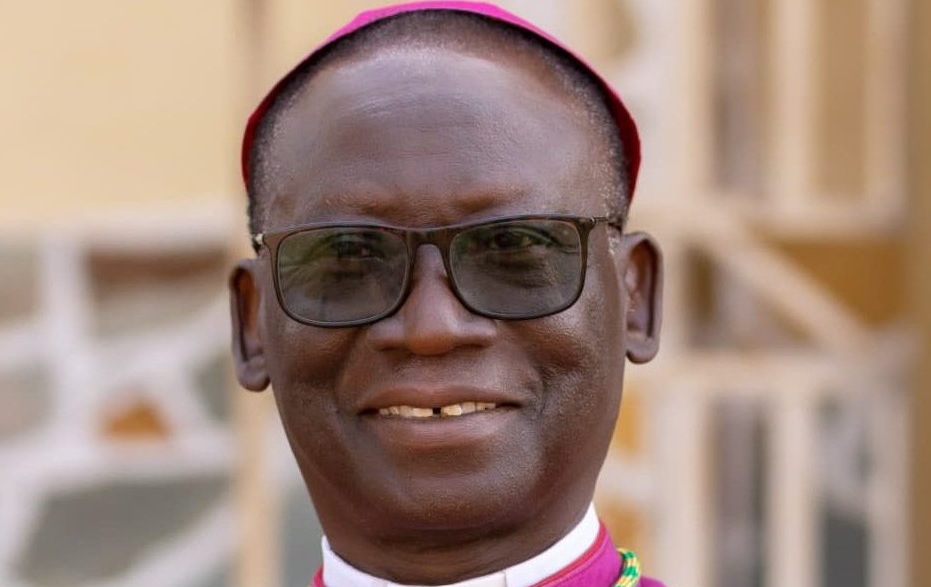
Ghana Catholic Bishops: Urge Independent SHS Placement Probe
Summary
- The Ghana Catholic Bishops’ Conference has called for an independent investigation into alleged payments for Senior High School placements.
- The Bishops expressed serious concerns about the integrity and fairness of the nation's computerised school placement system.
- They are demanding clarity on the legal basis and criteria for 'protocol' admissions, which allegedly secure places in sought-after schools.
- The Conference advocates for disciplinary action and potential criminal charges against individuals found responsible for placement irregularities.
- Recommendations include an independent technical review of the system, a stronger appeals process, and increased transparency in placement criteria.
Bishops Demand Independent Probe into SHS Placement Allegations
A placement system cannot inspire public confidence if parents perceive that financial influence or personal connections can secure places that are unavailable to more deserving, less privileged students.
The Ghana Catholic Bishops’ Conference has issued a strong call for an independent investigation into widespread allegations that parents are being compelled to pay for Senior High School (SHS) placements for their children. This demand comes amid growing concerns about the integrity and fairness of Ghana’s computerised school placement system, which the Bishops assert is failing to instill public trust.
In a statement released on Monday, the Conference highlighted that the annual placement process consistently generates anxiety, disappointment, and claims of unfairness among students, parents, and the broader community. They underscored that access to education is a fundamental right, emphasizing that no child should face unfair denial of a suitable school place, manipulation, or humiliation during this critical process. The Bishops expressed particular alarm over reports of monetary demands for placements, stating unequivocally that if placement is intended to be free, no official, agent, or intermediary should solicit or accept payment.
The Conference insists that these allegations must be thoroughly investigated, with any individuals found responsible facing disciplinary action and, where appropriate, criminal charges. However, they also cautioned against allowing unverified accusations to tarnish the reputations of honest public servants. This comprehensive call for accountability underscores the gravity with which the Ghana Catholic Bishops view the alleged corruption within the SHS placement system.
Concerns Over 'Protocol' Admissions and Systemic Flaws
Beyond direct payments, the Ghana Catholic Bishops’ Conference has also demanded greater clarity regarding the practice of so-called 'protocol' admissions. These arrangements allegedly set aside places in highly sought-after schools through discretionary means. The Bishops are seeking public disclosure on the legal basis for such arrangements, the total number of places involved, the specific criteria used for selection, and the identities of those responsible for these decisions. They argue that a placement system cannot inspire public confidence if parents perceive that financial influence or personal connections can secure places that are unavailable to more deserving, less privileged students.
The computerised placement system was initially introduced with the aim of promoting fairness, efficiency, and equal access to education. However, the Bishops noted that recurring difficulties within the system necessitate an independent review. This year, out of 604,567 candidates who qualified for placement, 527,932 had been successfully placed by the time the results were released, yet significant issues persist.
Further concerns were raised about students being placed in schools unsuitable for their sex, disability, personal circumstances, or geographical location. The Conference highlighted that placing a student in a day school excessively far from home renders daily attendance unreasonable, costly, or unsafe. They also stressed that students with disabilities must be placed in institutions adequately equipped to meet their specific needs, and that genuine placement errors should be rectified swiftly through easily accessible channels.
Recommendations for Enhanced Transparency and Accountability
To address the systemic issues plaguing the Senior High School placement process, the Ghana Catholic Bishops’ Conference has put forth several key recommendations. They advocate for an examination of the placement system by independent technical experts, with the main findings subsequently made public. This independent review is crucial for restoring faith in the integrity of the process.
The Bishops also called for the establishment of a stronger appeals process, characterized by clear steps and defined time limits. They urged that priority be given to appeal cases involving issues such as sex, disability, medical needs, significant distance difficulties, and administrative errors. Additionally, the Conference demanded greater transparency regarding the factors that determine placement outcomes, including examination scores, program choices, cut-off points or rankings, and the availability of places.
Finally, the Bishops suggested that the government consider appointing an independent official specifically tasked with resolving complaints that cannot be settled through ordinary channels. They concluded by emphasizing that while technology can support fairness, it cannot replace human responsibility in ensuring that a placement outcome is both educationally sound and morally just, thereby reinforcing the need for ethical oversight in the Ghana education system.
Practical Implications
The demand for an independent probe, disciplinary action, and potential criminal charges regarding alleged SHS placement payments and 'protocol' admissions signals a heightened risk of enforcement action and potential legislative or regulatory reforms in Ghana's education sector. Lawyers advising educational institutions, government bodies, or individuals involved in the placement process should monitor these developments closely for new compliance obligations or potential legal exposure.
Source
How does this affect you?
Get an AI analysis of this article grounded in your jurisdictions, practice areas, and any policy documents you've uploaded to Wansom.
Finish Reading the Full Story and the Expert Analysis.
Get the latest legal & regulatory intelligence in Ghana
Wansom is AI and can make mistakes.