
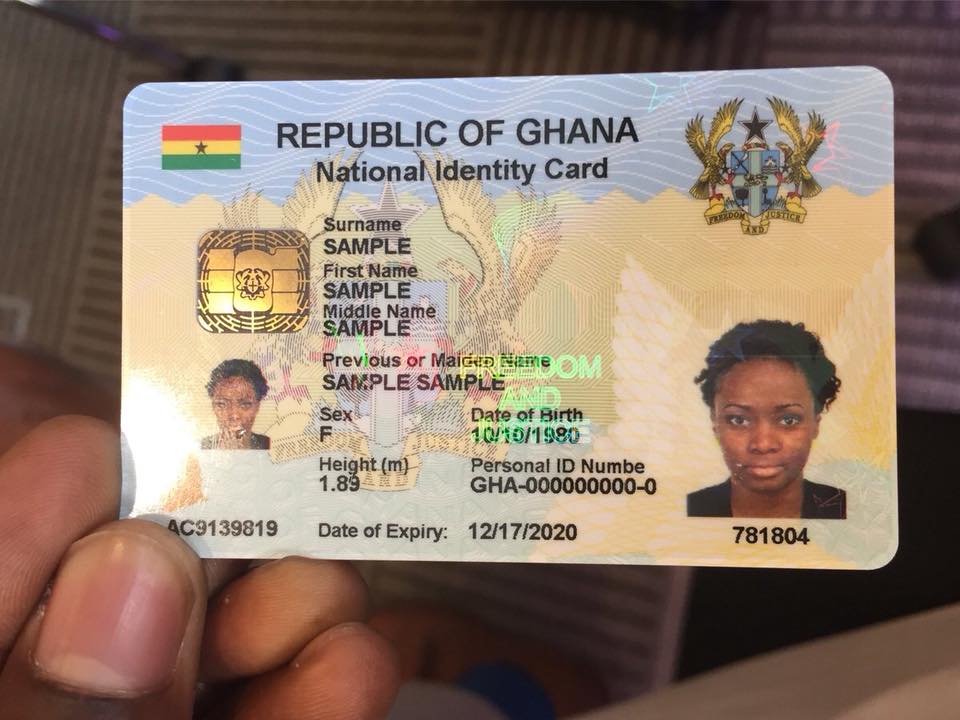
Ghana NIA: Parliament Approved Ghana Card Fees Under L.I. 2512
Summary
- The National Identification Authority clarified that revised Ghana Card fees were approved by Parliament, not introduced unilaterally.
- The current fee regime, including Ghana Card fees L.I. 2512, took effect on February 2, 2026, under L.I. 2512 and Act 1080.
- First-time Ghana Card registration is free for those under 25, while individuals 25 and older pay a GH¢30 processing fee.
- Other charges include a GH¢200 Ghana Card replacement cost, with record updates remaining free.
- The NIA urged the public and media to rely on the approved fee schedule from authoritative sources to prevent misinformation.
What Happened
The NIA's proactive clarification on the parliamentary approval of Ghana Card fees L.I. 2512 carries substantial weight, particularly for legal professionals advising clients on identity verification and national ID compliance in Ghana.
The National Identification Authority (NIA) recently moved to dispel public misconceptions regarding the charges associated with Ghana Card services, asserting that the current fee structure received full parliamentary endorsement. In a statement issued by Williams Amponsah Emmanuel Darlas, the Authority clarified that the revised Ghana Card fees were not a unilateral imposition but rather the result of legislative approval. These updated charges for the Ghana national ID card services, including Ghana Card registration fees, became effective on February 2, 2026, a date preceding the recent wave of public discourse concerning the cost of these essential identity services.
The NIA further detailed the specific financial obligations for various services. While first-time registration for individuals under the age of 25 remains free, those aged 25 and above are subject to a GH¢30 processing fee. For individuals requiring a new card, the Ghana Card replacement cost is set at GH¢200. It was also noted that certain services, such as record updates, continue to be provided without charge, although separate, parliament-approved fees apply to other services like card renewal and nationality updates. The Authority underscored that its extensive network of 276 district offices across the nation continues to operate, facilitating access to these services for all eligible citizens.
Legal Context
The legal foundation for the revised National Identification Authority Ghana fees is firmly rooted in parliamentary action, as confirmed by the NIA. These charges were formally approved under the Fees and Charges (Miscellaneous Provisions) (Amendment) Regulations, 2025, specifically identified as L.I. 2512. This legislative instrument, in turn, derives its authority from the broader Fees and Charges (Miscellaneous Provisions) Act, 2022, known as Act 1080 Ghana Card. This framework establishes a clear legal mandate for the collection of these fees, ensuring that the charges are not arbitrary but are instead a product of due legislative process.
The NIA's clarification is particularly significant for legal practitioners and their clients, as it highlights the statutory backing for the Ghana Card fees L.I. 2512. Understanding that the fee schedule is enshrined in law, rather than being an administrative decision, is crucial for advising on compliance costs or for any potential challenges to the fees. The Authority explicitly reiterated that the revised fees currently applicable to NIA services were indeed approved by Parliament, reinforcing the legitimacy and enforceability of the charges under the established legal framework.
Why It Matters
The NIA's proactive clarification on the parliamentary approval of Ghana Card fees L.I. 2512 carries substantial weight, particularly for legal professionals advising clients on identity verification and national ID compliance in Ghana. Accurate information regarding the Ghana national ID card charges is paramount to ensure precise cost assessments and to counteract the spread of misinformation. Lawyers must be fully apprised of the legally approved Ghana Card fee schedule to provide sound advice, helping clients navigate the requirements for obtaining or updating their national identification without encountering unexpected expenses or procedural delays.
The potential for misinformation surrounding national identity services to create unnecessary confusion and concern among the public underscores the NIA's appeal for reliance on authoritative sources. For legal advisors, this means diligently consulting official NIA publications and legislative documents to confirm the current Fees and Charges Amendment Regulations 2025. By doing so, they can confidently advise on the Ghana Card replacement cost, Ghana Card registration fees, and other related charges, ensuring their clients are well-informed and compliant with the legally established framework under Act 1080 Ghana Card. This commitment to accuracy is vital for maintaining public trust in national identification processes and for upholding the integrity of legal counsel.
Practical Implications
Lawyers advising clients on identity verification or national ID compliance in Ghana must be aware of the legally approved Ghana Card fee schedule, as clarified by the NIA, to ensure accurate cost assessments and avoid misinformation. This update confirms the parliamentary basis for the charges under L.I. 2512 and Act 1080, which is crucial for advising on compliance costs or potential challenges to fees.
Source
How does this affect you?
Get an AI analysis of this article grounded in your jurisdictions, practice areas, and any policy documents you've uploaded to Wansom.
Wansom is AI and can make mistakes.