
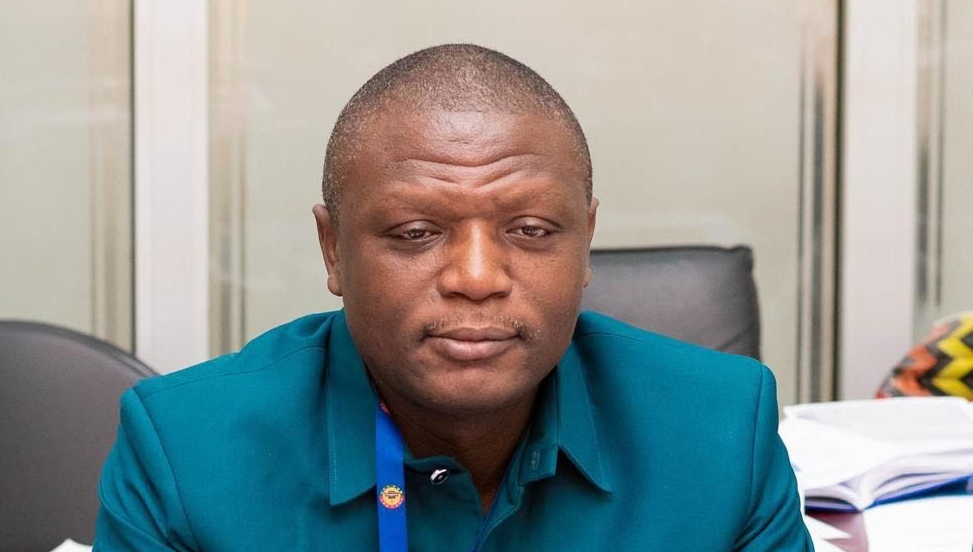
Ghana Sports Minister: Black Stars Bonus Tax Dispute Delays Payments
Summary
- Ghana's Black Stars have not yet received their bonuses for the 2026 FIFA World Cup due to unresolved tax issues.
- Sports Minister Kofi Adams confirmed the delay, stating that payments are contingent on settling whether players or the country are responsible for the tax.
- Ghana progressed to the Round of 32 in the World Cup, playing four games, winning one and suffering two defeats.
- The team is now preparing for 2027 AFCON qualifiers, with upcoming matches against Côte d'Ivoire and The Gambia.
- The dispute highlights ambiguity in Ghana's tax treatment of athlete performance bonuses, with its resolution potentially setting a precedent for future tax liabilities.
Unpaid Bonuses Spark Tax Dispute for Ghana Black Stars
The central point of contention revolves around determining whether individual players or the national entity bears the ultimate responsibility for these tax obligations.
Ghana's national football team, the Black Stars, has yet to receive performance bonuses for their participation in the 2026 FIFA World Cup, a situation attributed to an ongoing tax dispute. The team's campaign at the global tournament saw them advance to the Round of 32 before a 1-0 defeat to Colombia ended their journey. This delay in payment has brought to light a significant ambiguity regarding the tax treatment of such earnings for athletes.
Kofi Adams, the Minister for Sports and Recreation, confirmed that the outstanding payments are directly linked to unresolved tax matters. He explicitly stated that the bonuses have not been disbursed because the fundamental question of tax liability remains unsettled. The core of the Ghana Black Stars bonus tax dispute centers on whether the individual players are responsible for paying the taxes on these bonuses or if the responsibility falls to the nation itself.
Legal Ambiguity in Athlete Compensation
Minister Adams elaborated on the process, indicating that once a definitive conclusion is reached on who bears the tax burden, the appropriate deductions will be made from the bonus amounts, and only then will the remaining funds be paid out to the players. This highlights a critical area of uncertainty within Ghana's tax framework concerning performance-related income for athletes, specifically impacting Ghana football player tax liability.
The current impasse underscores the need for clear guidelines on Ghana income tax athletes, particularly regarding substantial performance bonuses. The resolution of this specific case could establish an important precedent for future earnings and how they are taxed, influencing both individual athletes' financial planning and the administrative processes of sports organizations.
Team Performance and Future Focus
During their 2026 World Cup appearance, the Black Stars competed in four matches. Their performance included one victory and two defeats, with the remaining match presumably ending in a draw, though the source explicitly details one win and two losses across four games. Despite the current financial hold-up, the team has already shifted its focus to upcoming international commitments.
Attention has now turned to the 2027 AFCON qualifiers. The Black Stars are scheduled to face Côte d'Ivoire on September 24, followed by a match against The Gambia three days later, on September 27. Coach Carlos Queiroz is anticipated to announce the squad for these crucial qualifiers in the coming days, as the team prepares for its next competitive challenges.
Why This Dispute Matters for Sports Law
The Ghana Black Stars bonus tax dispute carries significant implications beyond the immediate payment to the players. It serves as a crucial test case for clarifying the tax treatment of performance bonuses for athletes in Ghana, particularly concerning withholding requirements and ultimate tax liability. The central point of contention revolves around determining whether individual players or the national entity bears the ultimate responsibility for these tax obligations.
Legal professionals advising sports organizations, individual athletes, or government bodies will closely monitor the outcome of this situation. The resolution could provide much-needed clarity on income tax obligations and establish precedents for similar payments in the future, thereby shaping the landscape for Ghana sports minister bonus tax policies and broader Ghana income tax athletes regulations.
Practical Implications
This development highlights ambiguity in Ghana's tax treatment of performance bonuses for athletes, specifically regarding who bears the ultimate tax liability. Lawyers advising sports organizations, individual athletes, or government bodies should monitor the resolution of this dispute for potential precedents or clarifications on income tax obligations and withholding requirements for similar payments.
Source
How does this affect you?
Get an AI analysis of this article grounded in your jurisdictions, practice areas, and any policy documents you've uploaded to Wansom.
Finish Reading the Full Story and the Expert Analysis.
Get the latest legal & regulatory intelligence in Ghana
Wansom is AI and can make mistakes.