
Ghana MP: Auditor-General Audit Service Act Breach Alleged in COVID-19 Audit
Summary
- An investigative report alleges the Ghana Auditor-General concealed key findings from a special audit of COVID-19 expenditures.
- The audit reportedly understated fumigation costs at GH¢96.3 million, while ministerial documents indicated at least GH¢780 million.
- South Dayi MP Rockson-Nelson Dafeamekpor stated that such concealment would breach Section 16 of the Ghana Audit Service Act, which mandates reporting all special audit findings to Parliament.
- The Audit Service allegedly audited the Local Government Ministry's fumigation costs but omitted them from the final report.
- If proven, these allegations could represent a major public finance scandal, demanding immediate action.
Allegations of Concealment in COVID-19 Audit
Under Ghana Audit Service Act Section 16, the Auditor-General and their officers are legally mandated to report all findings from a special audit directly to Parliament.
Serious allegations have emerged regarding the Ghana Auditor-General's special audit into COVID-19 expenditures, suggesting that key findings were potentially concealed. These claims stem from an investigation by journalist Manasseh Azure Awuni, which indicates a significant discrepancy in reported fumigation costs. The Auditor-General's special audit reportedly stated the cost of COVID-19 fumigation at GH¢96.3 million.
However, Mr. Awuni's investigation uncovered documents from the Ministries of Education, Local Government, and Transport, which collectively indicated a much higher expenditure of at least GH¢780 million for the same fumigation activities. This substantial difference forms the core of the Auditor-General concealment findings Ghana. Further compounding the issue, the investigation revealed that the Audit Service had indeed conducted an audit of the fumigation expenditure for the Local Government Ministry, yet this specific figure was not incorporated into the special audit's final reported sum.
Legal Obligations Under the Audit Service Act
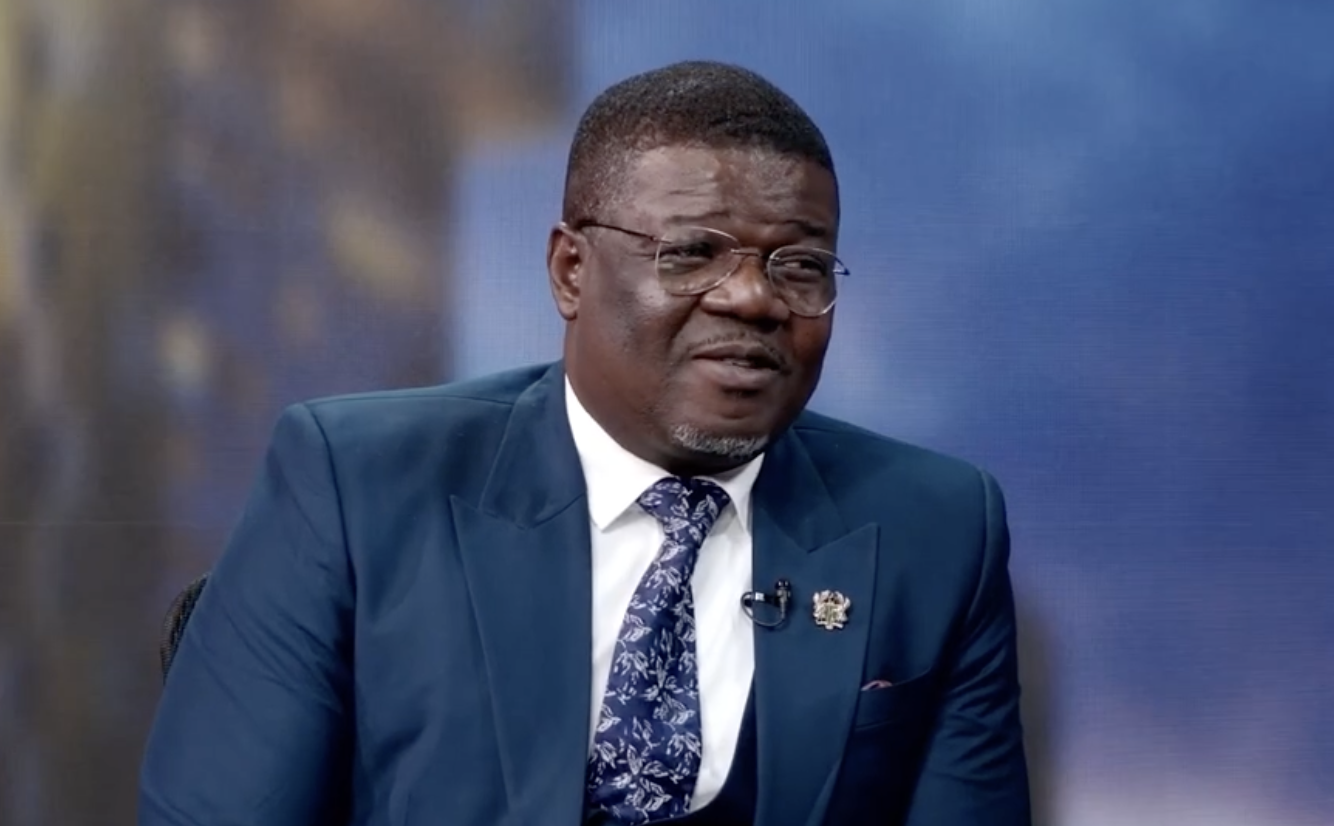
The potential implications of these findings are significant, particularly concerning the Ghana Audit Service Act. Rockson-Nelson Dafeamekpor, the South Dayi Member of Parliament and Majority Chief Whip, has asserted that if the evidence presented by Mr. Awuni is accurate, it could constitute a direct Ghana Auditor-General Audit Service Act breach. Speaking on Joy News’ PM Express on Tuesday, September 15, Mr. Dafeamekpor highlighted the specific requirements of Section 16 of the Audit Service Act.
Under Ghana Audit Service Act Section 16, the Auditor-General and their officers are legally mandated to report all findings from a special audit directly to Parliament. This obligation means that no facts or material findings should be withheld from the legislative body. Mr. Dafeamekpor emphasized that if the Audit Service possessed information regarding the true expenditure, including the audited figures for the Local Government Ministry, but failed to include these material findings and recommendations in its report to Parliament, it would represent a clear violation of its statutory duties.
Implications for Public Finance and Accountability
The Rockson-Nelson Dafeamekpor allegations underscore the gravity of the situation, suggesting that if substantiated, this could be one of the most significant Ghana public finance scandal events of the Fourth Republic. The alleged failure to fully disclose audit findings to Parliament raises serious questions about transparency and accountability in public expenditure, especially concerning critical funds allocated during a national crisis like COVID-19.
Mr. Dafeamekpor stressed that the legal obligation to report findings to Parliament is absolute, particularly for special audits. He indicated that if the Manasseh Azure Awuni COVID-19 audit findings are definitively established, the matter would warrant immediate and decisive action. The potential breach of the Audit Service Act highlights the critical role of the Auditor-General in ensuring robust oversight of public funds and the imperative for state institutions to uphold their reporting duties to Parliament without concealment.
Practical Implications
Lawyers and compliance officers in Ghana should closely monitor this situation as it highlights potential legal liabilities for public officials and audit bodies under the Audit Service Act. This case could establish important precedents regarding the transparency and reporting obligations of state institutions to Parliament, impacting future public finance oversight and accountability proceedings.
Source
How does this affect you?
Get an AI analysis of this article grounded in your jurisdictions, practice areas, and any policy documents you've uploaded to Wansom.
Finish Reading the Full Story and the Expert Analysis.
Get the latest legal & regulatory intelligence in Ghana
Wansom is AI and can make mistakes.