
Ghana Ministry: Women Media Urged on Affirmative Action Act 2024 Implementation
Summary
- Ghana's Ministry of Gender, Children and Social Protection has urged women in media to lead the implementation of the Affirmative Action (Gender Equity) Act, 2024 (Act 1121).
- A capacity-building workshop was held on Thursday, September 17, to educate media women on the Act and enhance their reporting on gender equity.
- Minister Dr. Agnes Naa Momo Lartey emphasized that the focus has shifted from advocating for the law to ensuring its effective implementation and tangible impact.
- The Ministry frames gender equity as a national development issue requiring broad stakeholder involvement, not solely a women's concern.
- Challenges remain in increasing women's representation, especially in elected political positions, necessitating timely action and public education to highlight alternatives to existing norms.
What Happened
The Ministry of Gender, Children and Social Protection Ghana views the advancement of gender equity not as an isolated issue for women, but as a vital matter of national development that necessitates the active participation of all stakeholders, including men.
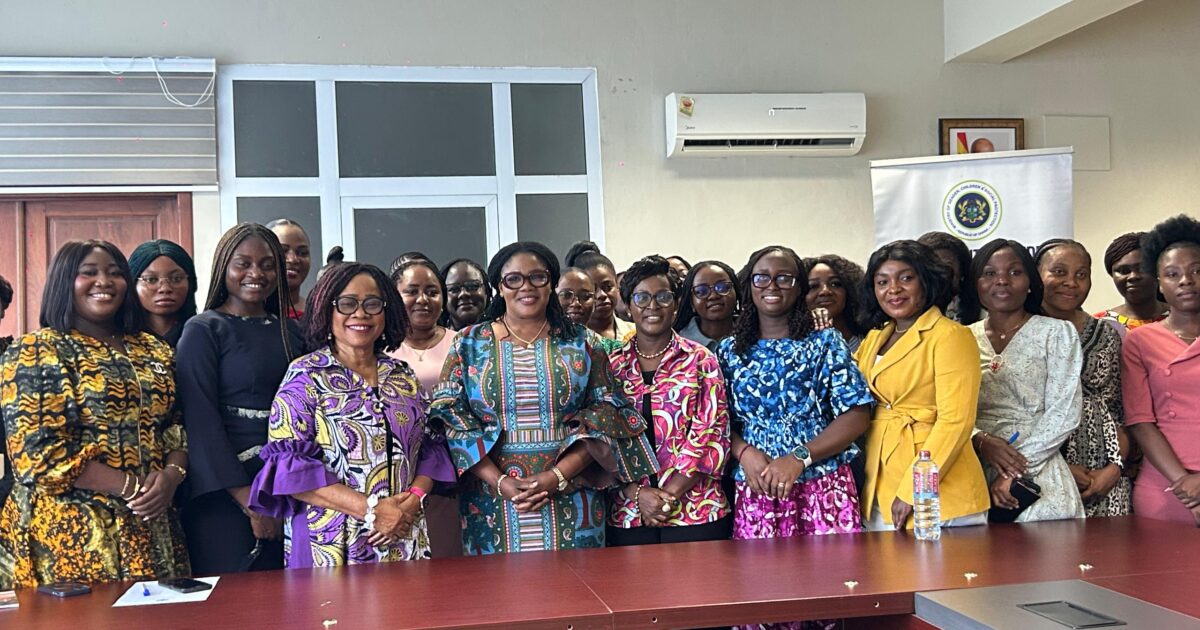
The Ministry of Gender, Children and Social Protection in Ghana has issued a direct appeal to women in the media, urging them to take a leading role in the active implementation of the Affirmative Action (Gender Equity) Act, 2024 (Act 1121). This call to action was made during a capacity-building workshop organized by the Ministry specifically for women journalists on Thursday, September 17.
The workshop aimed to enhance participants' understanding of the newly enacted Ghana gender equity law and to bolster their capabilities in reporting on gender equity issues with accuracy, fairness, and sensitivity. Dr. Agnes Naa Momo Lartey, the Minister for Gender, Children and Social Protection, underscored the critical nature of the media's involvement, stating that their responsibility is fundamental to the Ministry's broader objectives.
By engaging women in media, the Ministry seeks to leverage their influence in public education, monitoring compliance with Ghana Act 1121, and ensuring accountability among institutions. This strategic engagement is a key component of the Ministry's approach to ensuring the widespread and effective implementation of the Ghana Affirmative Action Act 2024.
Legal Context
The passage of the Affirmative Action (Gender Equity) Act, 2024, marks a significant shift in Ghana's approach to gender equality. Minister Dr. Lartey highlighted that the focus has now moved beyond merely advocating for such legislation to ensuring its tangible and effective implementation. The Ministry's current priority is to translate the legal framework into measurable impact and concrete results across the nation.
The capacity-building workshop was deliberately designed to integrate women in the media into this crucial implementation process, encouraging them to champion the cause of increased Ghana women representation in leadership positions. This initiative reflects the Ministry's commitment to ensuring that the provisions of the Affirmative Action (Gender Equity) Act, 2024, are not just on paper but are actively realized in society.
This phase of Ghana Affirmative Action Act 2024 implementation emphasizes the need for public understanding and institutional adherence. The Ministry is keen for the media to facilitate the Act's integration into public consciousness, even at the community level, while also drawing international attention to Ghana's progressive efforts in promoting women in leadership roles.
Why It Matters
The Ministry of Gender, Children and Social Protection Ghana views the advancement of gender equity not as an isolated issue for women, but as a vital matter of national development that necessitates the active participation of all stakeholders, including men. Minister Dr. Lartey stressed that a nation comprising two sexes cannot achieve full growth or development if only one sex predominantly holds leadership positions, underscoring the collective responsibility for the Ghana gender equity law.
Despite the legislative progress, Dr. Lartey acknowledged that significant work remains to enhance women's representation, particularly in elected political offices such as Parliament and local government. She emphasized the time-sensitive nature of increasing women's participation in elected roles, noting that opportunities are constrained by electoral cycles, making early and sustained action imperative. Missing an electoral cycle, especially in the political sphere, makes it challenging to catch up.
Furthermore, the Minister highlighted the necessity of comprehensive public education. This is crucial because, in the absence of clear alternatives, women may become accustomed to existing arrangements, perceiving them as the norm. By illuminating the options and benefits of greater gender equity, the Ministry aims to foster a societal shift that supports the objectives of the Ghana Affirmative Action Act 2024 implementation.
Practical Implications
Ghanaian lawyers and compliance officers should note the active implementation phase of the Affirmative Action (Gender Equity) Act, 2024 (Act 1121). This signals an imminent need to review and update internal policies and practices to ensure compliance with the Act's provisions on gender representation and equity, as public and media scrutiny will intensify.
Source
How does this affect you?
Get an AI analysis of this article grounded in your jurisdictions, practice areas, and any policy documents you've uploaded to Wansom.
Finish Reading the Full Story and the Expert Analysis.
Get the latest legal & regulatory intelligence in Ghana
Wansom is AI and can make mistakes.