
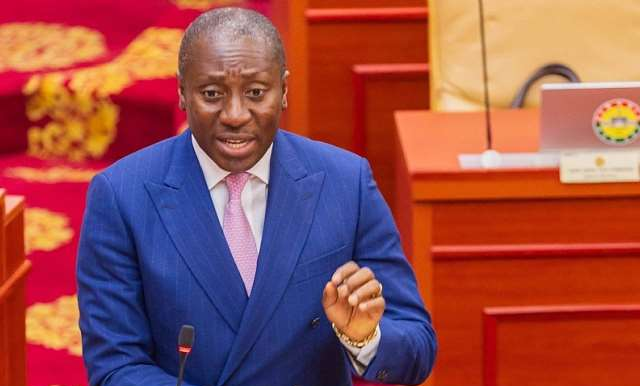
Ghana's Afenyo-Markin Cites IMF Report on $1.7bn GoldBod Losses
Summary
- Majority Leader Alexander Afenyo-Markin has accused GoldBod of failing due to $1.7 billion losses from the Domestic Gold Purchase Programme.
- The IMF's Country Report No. 26/213 highlights the significant scaling up of the programme in 2025, which led to substantial financial burdens for GoldBod.
- Afenyo-Markin criticized attacks on persons who raise concerns about the programme, saying critics are subjected to insults and online attacks.
GoldBod's Financial Struggles Exposed
The IMF is saying. I am not the one saying. It is the IMF saying it has incurred over GH¢1.7 billion
Majority Leader Alexander Afenyo-Markin has brought attention to the financial struggles of GoldBod, a state-owned gold marketing company. According to an International Monetary Fund (IMF) report, the Domestic Gold Purchase Programme implemented through GoldBod has incurred losses exceeding $1.7 billion. This significant scaling up of the programme in 2025 has resulted in substantial financial burdens for the company.
The IMF's Country Report No. 26/213 highlights the severity of these losses, which amount to about 1.5% of Ghana's GDP. Afenyo-Markin emphasized that these figures are not his own assessment but rather a reflection of the IMF's findings.
Relevant Legal and Regulatory Context
The Domestic Gold Purchase Programme, implemented by GoldBod, has been under scrutiny due to its financial sustainability concerns. The programme's significant losses have raised questions about the company's ability to manage its finances effectively. As highlighted in the IMF report, the programme's scaling up in 2025 led to substantial financial burdens for GoldBod.
Lawyers and experts may want to take note of the potential compliance exposures and financial sustainability concerns related to the Domestic Gold Purchase Programme. The IMF report serves as a warning sign for the need for GoldBod to reassess its financial management strategies and ensure that they align with regulatory requirements.
Why It Matters
The financial struggles of GoldBod have significant implications for the Ghanaian economy. The substantial losses incurred by the company raise concerns about the programme's financial sustainability and the potential impact on the country's GDP. Afenyo-Markin's criticism of GoldBod's performance highlights the need for transparency and accountability in the management of state-owned companies.
The IMF report serves as a reminder that effective financial management is crucial for the success of any business, especially those with significant government backing. The case of GoldBod underscores the importance of regulatory oversight and compliance to prevent similar financial struggles in the future.
Practical Implications
Lawyers should watch for potential compliance exposures and financial sustainability concerns related to the Domestic Gold Purchase Programme, as highlighted by the IMF report.
Source
How does this affect you?
Get an AI analysis of this article grounded in your jurisdictions, practice areas, and any policy documents you've uploaded to Wansom.
Wansom is AI and can make mistakes.