
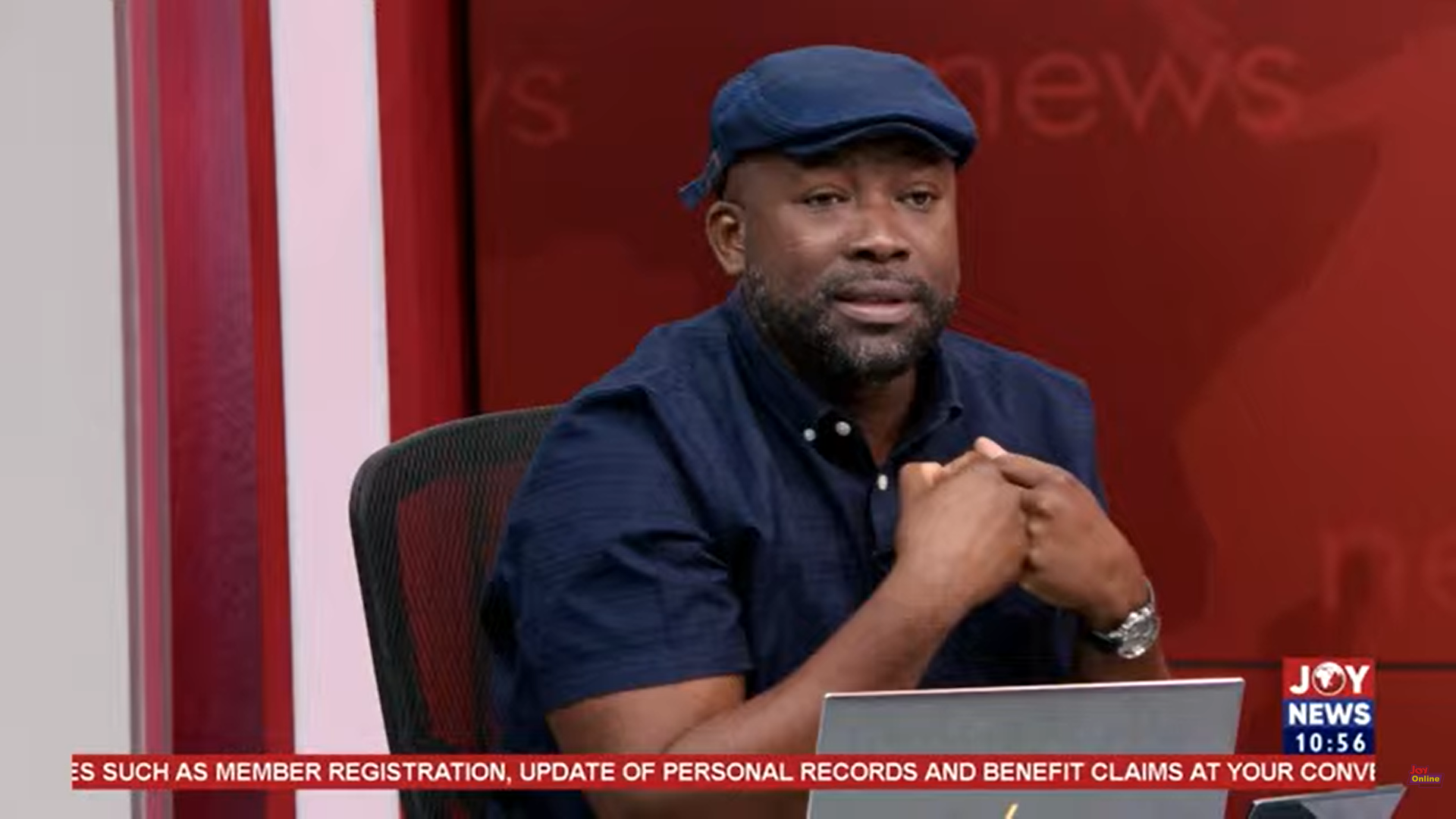
Ghana 2026 World Cup Visa Scandal: Senyo Hosi Demands Accountability
Summary
- Senyo Hosi has urged that the controversy over Ghana's 2026 FIFA World Cup visa arrangements be addressed through constitutional compliance and accountability.
- Hosi, a convener of the OneGhana Movement, believes the issue extends beyond calls for the Sports Minister's resignation.
- The focus should be on systemic adherence to legal frameworks and transparent operational practices for government actions.
- The controversy centers on the visa arrangements made by Ghana for the upcoming 2026 FIFA World Cup.
Call for Deeper Scrutiny on World Cup Visa Arrangements
The call from Senyo Hosi redirects the conversation from individual culpability to a more fundamental examination of governmental adherence to legal frameworks and transparent operational practices.
Senyo Hosi, a prominent figure known for his roles as convener of the OneGhana Movement and a trustee of the Ghana Coalition Against Galamsey, has issued a significant call regarding the ongoing controversy surrounding Ghana's visa arrangements for the 2026 FIFA World Cup. Hosi advocates for a comprehensive approach to addressing the issue, emphasizing that the focus should extend beyond merely demanding the resignation of the Sports Minister. Instead, he argues for a thorough examination rooted in principles of constitutional compliance and accountability.
This perspective shifts the narrative from individual blame to a more systemic analysis of how public affairs, particularly those involving major international events like the World Cup, are managed. The Ghana 2026 World Cup visa scandal, as it has been termed, requires a robust response that ensures adherence to established legal and ethical frameworks. Hosi's intervention underscores the need for governmental processes to withstand rigorous scrutiny, ensuring transparency and proper conduct in all dealings related to national representation on the global stage.
Legal and Governance Framework at Play
The core of Senyo Hosi's argument centers on the imperative for constitutional compliance Ghana, meaning that all actions undertaken by government bodies, including those related to the World Cup visa arrangements Ghana, must strictly adhere to the nation's foundational laws and regulations. This encompasses proper procurement procedures, transparent financial management, and adherence to administrative law principles. Accountability, the other pillar of Hosi's call, demands that public officials and institutions are held responsible for their decisions and actions, especially when public resources are involved or when Ghana's international reputation is at stake.
This stance highlights the critical role of organizations like the OneGhana Movement in advocating for government oversight and ensuring that public institutions operate within their legal mandates. The call for Ghana sports ministry accountability is not just about rectifying a specific issue but about reinforcing the broader governance structure. It implies that any irregularities in the visa arrangements for the 2026 FIFA World Cup should trigger a review of the underlying processes and decision-making mechanisms to prevent future occurrences and uphold public trust.
Why This Matters for Public Trust and Future Engagements
Senyo Hosi's insistence on constitutional compliance and accountability moves the discussion beyond a superficial resolution, aiming instead for fundamental improvements in public sector governance. By framing the 2026 FIFA World Cup visa arrangements controversy in this manner, he underscores the long-term implications for how Ghana manages its participation in future international events and handles public funds. The call from Senyo Hosi redirects the conversation from individual culpability to a more fundamental examination of governmental adherence to legal frameworks and transparent operational practices.
Ensuring that the government operates with the highest standards of compliance and accountability is crucial for maintaining public confidence and deterring potential malfeasance. The outcome of addressing this particular issue could set a significant precedent for how similar situations are handled in the future, fostering a culture of greater responsibility within state institutions. This approach is vital for strengthening democratic principles and ensuring that national interests are served with integrity and transparency.
Practical Implications
Lawyers and compliance officers should note the heightened call for constitutional compliance and accountability regarding government arrangements for international events, indicating increased scrutiny on public sector processes and potential legal challenges for procedural irregularities or misuse of public funds.
Source
How does this affect you?
Get an AI analysis of this article grounded in your jurisdictions, practice areas, and any policy documents you've uploaded to Wansom.
Finish Reading the Full Story and the Expert Analysis.
Get the latest legal & regulatory intelligence in Ghana
Wansom is AI and can make mistakes.