
Ghana: 2026 World Cup Visa Fraud Prompts Official Suspension
Summary
- Individuals are accused of exploiting public office to facilitate a visa fraud scheme for the 2026 FIFA World Cup.
- Approximately US$623,000 was allegedly collected from prospective travelers seeking visa and travel arrangements.
- President John Dramani Mahama suspended National Sports Authority Director-General Yaw Ampofo Ankrah, appointing an acting replacement.
- Senyo Hosi of the OneGhana Movement demands full accountability, emphasizing the fraud committed against citizens.
- The controversy is under police investigation and raises broader concerns about public trust and political influence in Ghana.
Unraveling the Ghana 2026 World Cup Visa Fraud
The core of the matter is how public officials have allegedly utilized their positions to enable this fraud, leading to financial losses for many citizens.
Individuals are accused of leveraging public office to facilitate a significant visa fraud scheme connected to Ghana's participation in the 2026 FIFA World Cup. This controversy centers on allegations that approximately US$623,000 was collected from hopeful travelers under the guise of assisting with visa and travel arrangements for the global football event. The scheme reportedly involved using official positions and connections to process these applications and solicit funds from unsuspecting applicants, leading to widespread public outcry and calls for immediate action.
The gravity of the situation prompted swift administrative responses at the highest levels. President John Dramani Mahama directed the Director-General of the National Sports Authority (NSA), Yaw Ampofo Ankrah, to step aside from his role. In the interim, Professor Emmanuel Osei Sarpong has been appointed as the acting Director-General to oversee the authority's operations during this period of investigation and transition. These actions underscore the government's acknowledgment of the serious nature of the alleged irregularities.
Calls for Accountability Amidst Public Official Visa Scandal
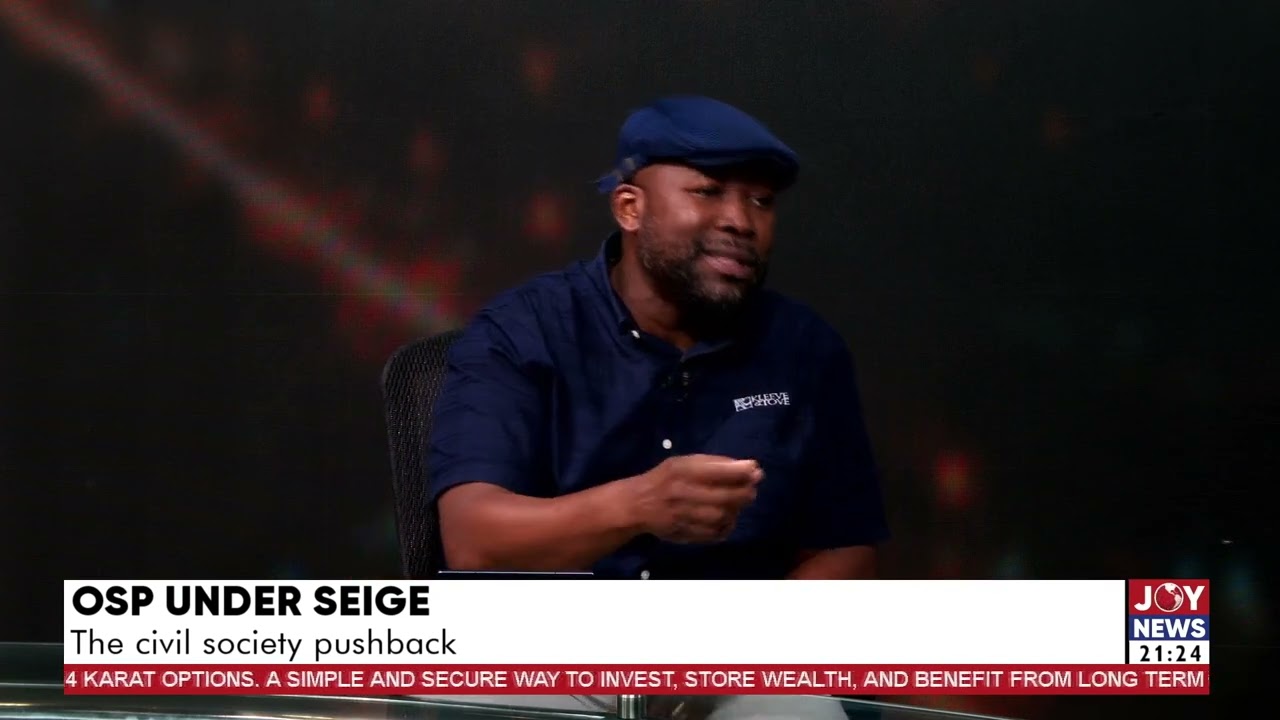
Senyo Hosi, a prominent figure as the Convener of the OneGhana Movement and a Trustee of the Ghana Coalition Against Galamsey, has been vocal in demanding comprehensive accountability for all individuals found culpable in this unfolding scandal. Speaking on JoyNews’ Newsfile on Saturday, October 10, Hosi firmly asserted that the central issue revolves around the exploitation of public office for fraudulent activities, emphasizing that citizens have been defrauded and their money collected. He stressed that the focus of public discourse should remain on these allegations of fraud and the ongoing investigation, rather than devolving into political arguments concerning the specific role or resignation of Sports Minister Kofi Adams.
Hosi specifically highlighted that the core of the matter is how public officials have allegedly utilized their positions to enable this fraud, leading to financial losses for many citizens. He cautioned against singling out the Sports Minister, suggesting that officials often rely on information provided by state institutions, and therefore, the public debate should concentrate on identifying those who orchestrated the alleged scheme and bear ultimate responsibility. The entire affair, which has intensified following the suspension of Yaw Ampofo Ankrah, is currently under police investigation, aiming to uncover the full extent of the Ghana public official visa scandal and bring perpetrators to justice.
Broader Implications for Governance and Trust
Beyond the immediate allegations of Ghana 2026 World Cup visa fraud, Senyo Hosi has articulated concerns about the wider implications for governance and public trust in Ghana. He challenged political parties to critically examine the ethical values they instill in their members, suggesting that the alleged conduct reflects a troubling pattern where political influence is leveraged to secure personal opportunities, including travel. Hosi argued that the controversy is symptomatic of a deeper societal issue concerning public attitudes towards accountability and the use of personal connections to bypass established procedures.
In a direct appeal, Hosi urged President John Mahama to ensure a thorough and conclusive resolution to the matter. He issued a stark warning, stating that a failure to decisively address the alleged wrongdoing could severely erode public confidence in the administration, potentially damaging the President's legacy. This sentiment underscores the significant political and social pressure for Ghana anti-corruption enforcement to be robust and transparent in this high-profile case, ensuring that justice is served and public trust is restored.
Practical Implications
Compliance officers in Ghana should review their anti-corruption policies and internal controls, particularly regarding interactions with public officials and processes for large-scale events, to mitigate risks of fraud and abuse of office. Lawyers should advise clients on potential criminal liabilities and the increased public and political pressure for accountability in such cases.
Source
How does this affect you?
Get an AI analysis of this article grounded in your jurisdictions, practice areas, and any policy documents you've uploaded to Wansom.
Finish Reading the Full Story and the Expert Analysis.
Get the latest legal & regulatory intelligence in Ghana
Wansom is AI and can make mistakes.